Menopause is a natural stage of life, but for many women it also marks the beginning of significant changes in bone health. As estrogen levels decline, bones lose density more rapidly, making them weaker and more prone to fractures. For some women, osteoporosis progresses silently until a simple fall — or even an everyday movement — causes a painful fracture.
When osteoporosis becomes severe, patients may develop chronic pain, spinal deformities, or advanced joint damage that significantly limits mobility and independence. In these situations, early access to specialized medical care can make a life-changing difference.
For many African patients, advanced orthopedic procedures may not always be available locally. Through cross-border care, patients can access internationally recognized orthopedic specialists, modern surgical techniques, and comprehensive rehabilitation programs while receiving personalized support throughout their medical journey.
Understanding the Link Between Menopause and Osteoporosis
Healthy bones are constantly being renewed through a natural process called bone remodeling. Estrogen plays a key role in maintaining this balance. After menopause, the sharp decline in estrogen causes bone loss to accelerate.
Women may lose up to 20% of their bone density during the first five to seven years after menopause. As bones become weaker, the risk of fractures increases dramatically, particularly in the spine, hip, and wrist.
Severe osteoporosis may also affect the bones that support joints. As these structures weaken, joint cartilage loses support, increasing the likelihood of severe osteoarthritis and progressive joint destruction.
Recognizing these changes early allows patients to receive appropriate treatment before permanent disability develops.
Signs That Should Not Be Ignored
Many women believe bone loss is simply a normal part of aging. However, some symptoms require prompt medical evaluation, including persistent back pain after a minor injury, loss of height over time, curved posture (kyphosis), hip or knee pain that limits walking, fragility fractures after low-impact falls, and difficulty performing daily activities.
If these symptoms are present, an orthopedic specialist may recommend imaging studies and a bone density assessment to determine the most appropriate treatment plan.
Complex Primary and Revision Joint Replacement
Patients with severe osteoporosis often present unique surgical challenges because weakened bone provides less support for conventional implants. Experienced orthopedic surgeons use specialized fixation techniques, porous implants that promote bone growth, customized components, and advanced bone cement technologies to improve implant stability.
These procedures are especially valuable for patients who require complex hip replacement, complex knee replacement, revision joint replacement after implant failure, or reconstruction following severe bone loss. With appropriate planning and rehabilitation, many patients regain independence and experience significant pain relief.
Minimally Invasive Spine Stabilization
Osteoporotic vertebral compression fractures are a common cause of severe back pain. Without treatment, these fractures may lead to spinal deformity, reduced mobility, and breathing difficulties. Modern minimally invasive procedures provide effective treatment for selected patients.
Both procedures are designed to relieve pain, improve stability, and help patients return to daily activities more quickly when performed in appropriately selected cases.
Kyphoplasty: Involves inserting a small balloon into the fractured vertebra to restore height before stabilizing the bone with medical cement.
Vertebroplasty: Stabilizes the fractured vertebra by injecting specialized bone cement directly into the weakened area.
Bone Density Reconstruction and Long-Term Bone Health
Successful treatment extends beyond surgery. Patients with severe osteoporosis often require comprehensive management that combines orthopedic surgery with medications that stimulate bone formation, nutritional support, calcium and vitamin D optimization, physiotherapy, and regular follow-up. This multidisciplinary approach helps reduce the risk of future fractures while supporting long-term recovery and independence.
Your International Patient Journey Timeline
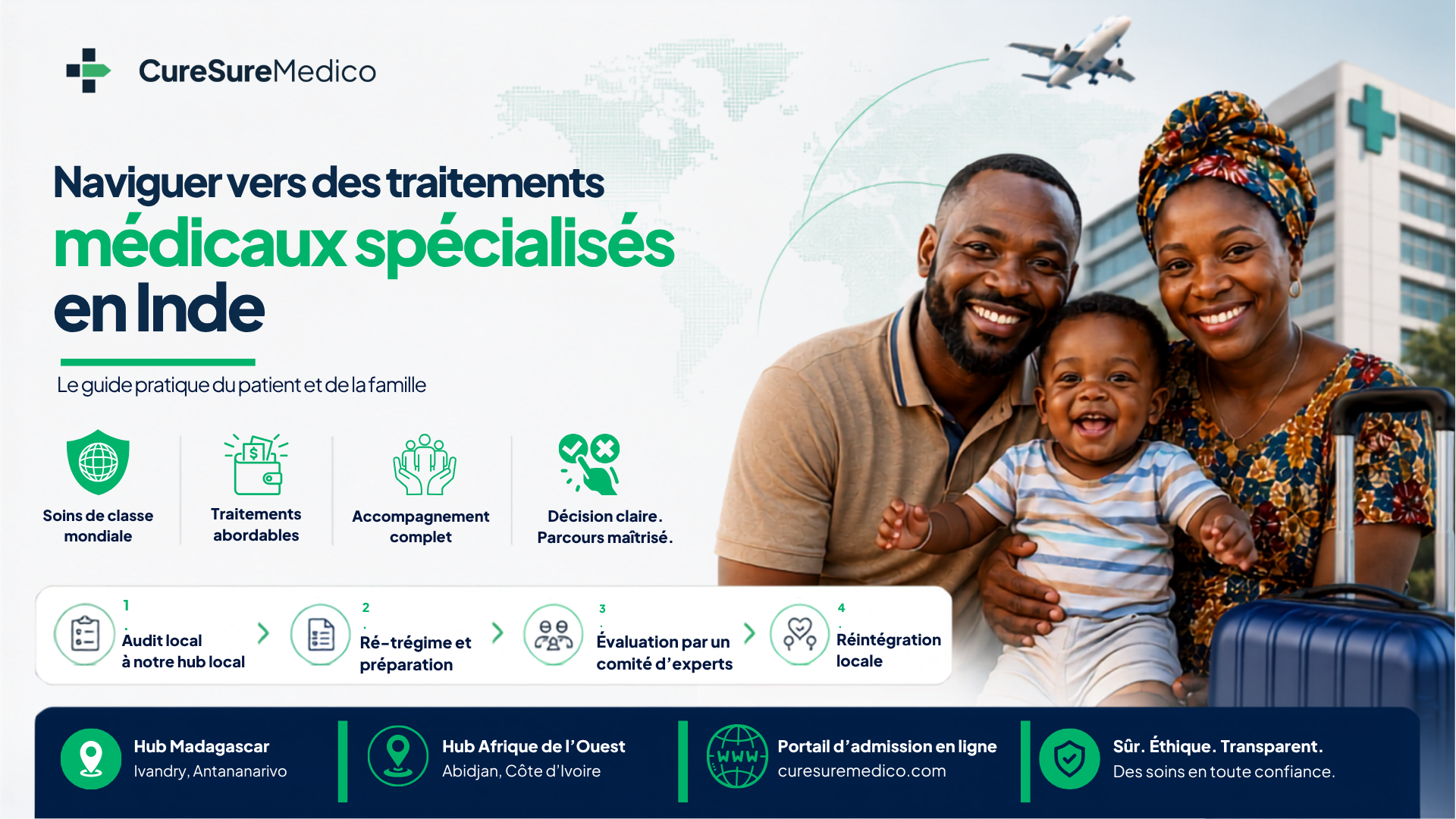
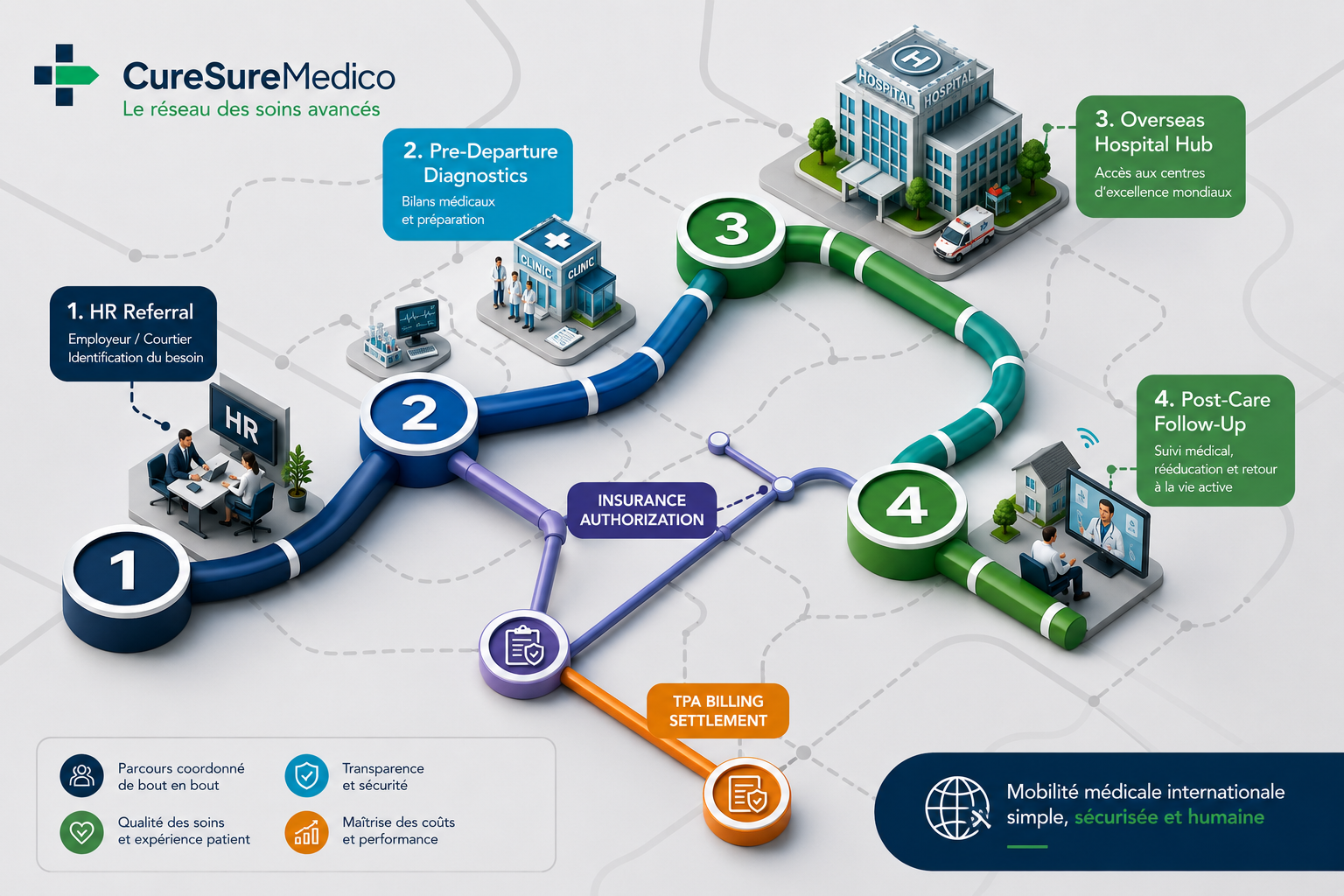
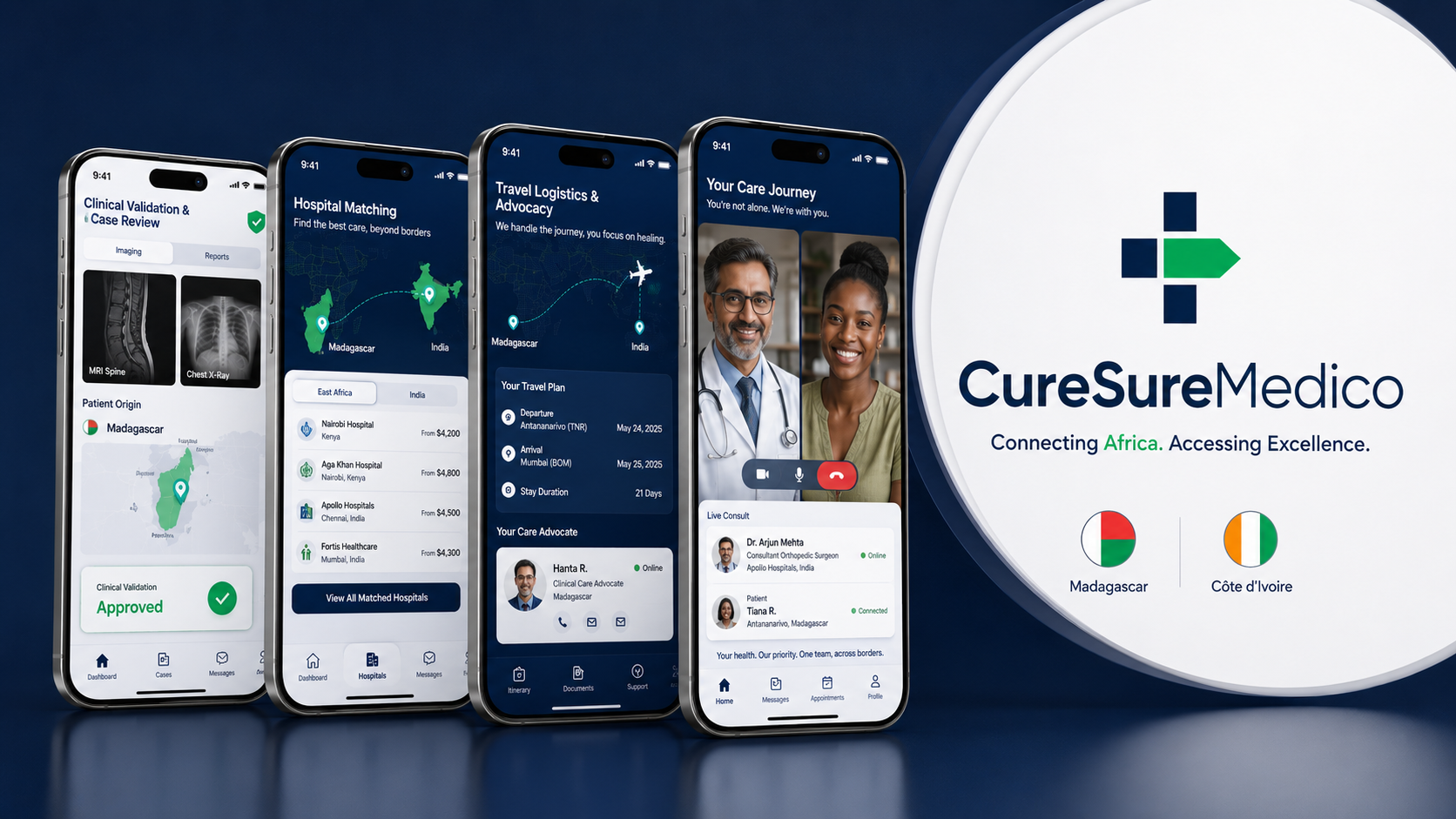
Receiving treatment abroad may seem overwhelming at first. A structured patient journey timeline helps patients understand each stage of care and reduces unnecessary stress. Each step is carefully organized to ensure patients remain informed and supported throughout their treatment.
A typical journey includes:
Independent medical review: Review of medical records and imaging, followed by evaluation from experienced orthopedic specialists.
Personalized treatment recommendations: A tailored plan based on the patient's specific diagnosis and clinical needs.
International travel planning: Coordination of medical documentation and logistics ahead of departure.
Hospital admission and surgery: Treatment delivered by internationally recognized orthopedic specialists.
Rehabilitation and safe return home: Structured recovery support before traveling back to the patient's home country.
Continuity of care: Coordinated follow-up with local healthcare providers after the patient returns home.
How CureSureMedico Supports Your Cross-Border Care
Navigating treatment in another country involves much more than choosing a hospital. At CureSureMedico, we coordinate every stage of the patient's experience to simplify access to advanced orthopedic expertise.
Our services include independent medical review before travel, selection of internationally recognized orthopedic specialists, hospital coordination, medical appointment scheduling, visa support when required, travel logistics and accommodation coordination, language assistance where needed, patient advocacy throughout the treatment process, coordination of rehabilitation planning, and continuity of care after patients return home.
Our objective is to reduce administrative burdens so patients can focus on recovery and receive the specialized patient care they need.
Why Early Treatment Matters
Ignoring osteoporosis can lead to repeated fractures, progressive disability, chronic pain, and loss of independence.
Early diagnosis allows specialists to recommend treatments that preserve bone strength, prevent complications, and improve quality of life. For patients with advanced disease, timely access to specialized orthopedic centers often provides treatment options that may not be readily available locally.
Seeking expert evaluation early may reduce the need for more complex surgery later.
Take the Next Step Toward Better Mobility
Living with severe osteoporosis does not mean accepting chronic pain or losing your independence. Early diagnosis, expert evaluation, and access to advanced orthopedic medical care can significantly improve quality of life. If you or a loved one has been diagnosed with severe osteoporosis, complex joint disease, or vertebral compression fractures, CureSureMedico can help coordinate access to internationally recognized orthopedic specialists through safe and personalized cross-border care.
Our team is committed to supporting every patient with compassionate guidance, transparent communication, and comprehensive coordination from the first consultation to long-term recovery.
Frequently Asked Questions
How do I know if a vertebral fracture requires kyphoplasty?
If severe back pain continues despite medication, rest, or bracing, your orthopedic specialist may recommend imaging studies. Active vertebral compression fractures may benefit from kyphoplasty or vertebroplasty depending on individual clinical findings.
Is joint replacement safe for patients with osteoporosis?
Yes. Experienced orthopedic surgeons use specialized implants and fixation techniques specifically designed for patients with reduced bone density.
Can osteoporosis be treated without surgery?
Many patients respond well to medication, exercise, nutritional support, and fall-prevention strategies. Surgery is usually recommended only when fractures, severe joint damage, or spinal instability significantly affect quality of life.
How long does recovery take after orthopedic surgery?
Recovery varies depending on the procedure performed, the patient's overall health, and rehabilitation progress. Your orthopedic team will develop a personalized recovery plan.
How does CureSureMedico help international patients?
CureSureMedico coordinates the complete medical journey, from the initial independent medical review through hospital selection, travel logistics, treatment coordination, rehabilitation planning, and continuity of care after patients return home.