Breast cancer is one of the most common cancers affecting women worldwide. It develops when abnormal cells in the breast grow uncontrollably and form a tumor. Most breast cancers begin in the milk ducts (ductal carcinoma) or in the milk-producing glands called lobules (lobular carcinoma).
Thanks to major advances in screening, diagnosis, and treatment, many patients diagnosed at an early stage can be successfully treated and enjoy an excellent quality of life. Early diagnosis remains the most important factor in improving survival.
For many African patients, accessing specialized oncology services may require treatment abroad. Through coordinated international medical care, patients can receive expert evaluation, advanced therapies, and comprehensive support throughout their medical journey.
Why Early Detection Matters
Breast cancer often develops without causing pain in its early stages. Regular screening and prompt medical evaluation can identify the disease before it spreads. When detected early, treatment is usually less extensive and the chances of successful recovery are significantly higher.
Women should consult a healthcare professional if they notice a new lump in the breast or under the arm, changes in breast size or shape, dimpling or thickening of the skin, nipple inversion, unusual nipple discharge (especially if bloody), or persistent redness or swelling of the breast. Although these symptoms do not always indicate cancer, they should never be ignored.
How Breast Cancer Is Diagnosed
If breast cancer is suspected, doctors perform several tests to confirm the diagnosis and determine the most appropriate treatment.
Mammography: Digital mammography is usually the first imaging examination. It helps detect small abnormalities that cannot always be felt during a physical exam. 3D mammography (tomosynthesis) may provide a clearer view, particularly in women with dense breasts.
Breast ultrasound: Ultrasound uses sound waves to examine breast tissue, helping doctors determine whether a lump contains fluid or is a solid mass. It is also useful for evaluating nearby lymph nodes.
Breast MRI: Magnetic Resonance Imaging may be recommended for women at high risk of breast cancer, patients with dense breast tissue, or when doctors need more detailed information before surgery.
Biopsy: Imaging tests alone cannot confirm breast cancer. A core needle biopsy removes a small tissue sample for laboratory analysis, confirming whether cancer is present, the type of breast cancer, how aggressive the tumor appears, and characteristics that help guide treatment.
Biomarker testing: Modern breast cancer treatment is highly personalized. Specialists analyze biomarkers including Estrogen Receptor (ER), Progesterone Receptor (PR), HER2 status, and Ki-67 (which indicates how quickly cancer cells are growing) to choose the most effective therapy for each patient.
Understanding Breast Cancer Staging
Once cancer has been confirmed, doctors determine its stage. Staging describes the size of the tumor, whether lymph nodes are affected, and whether cancer has spread to other organs.
Additional imaging, such as CT scans, PET scans, or bone scans, may be recommended depending on the patient's condition.
Accurate staging allows the multidisciplinary team to design an individualized treatment plan.
Surgical Treatment Options
Surgery remains one of the main treatments for localized breast cancer. The choice of operation depends on tumor size and location, breast size, cancer stage, genetic risk, and patient preference, and is discussed carefully with each patient before treatment begins.
Breast-conserving surgery (lumpectomy): Removes the tumor together with a small margin of healthy tissue while preserving most of the breast. Many women are eligible when the cancer is detected early. Radiation therapy usually follows to reduce the risk of recurrence in the same breast.
Mastectomy: Some patients require removal of the entire breast. A simple (total) mastectomy removes all breast tissue including the nipple and areola; a skin-sparing mastectomy preserves most of the breast skin, making reconstruction easier; and a nipple-sparing mastectomy preserves both skin and nipple when medically appropriate, allowing excellent cosmetic outcomes.
Breast reconstruction: Reconstruction can often be performed during the same operation as the mastectomy or at a later stage, using breast implants, tissue taken from another part of the body, or a combination of both, depending on medical factors and personal preference.
Lymph node evaluation: Surgeons may perform a sentinel lymph node biopsy, removing only the first lymph nodes that drain the breast — if they are cancer-free, further lymph node surgery may not be necessary. If several nodes are affected, an axillary lymph node dissection removes more nodes from the armpit.
Treatments After Surgery
Surgery is often only one part of breast cancer treatment. Depending on the stage of the disease and the tumor's characteristics, a multidisciplinary team — including surgical oncologists, medical oncologists, radiation oncologists, radiologists, and pathologists — may recommend additional therapies to reduce the risk of recurrence and improve long-term outcomes.
Radiation therapy: Uses carefully targeted high-energy beams to destroy any cancer cells remaining after surgery. Commonly recommended after breast-conserving surgery, and sometimes after mastectomy for larger tumors or lymph node involvement. Delivered over several sessions, usually without interrupting daily activities.
Chemotherapy: Uses medicines that travel through the bloodstream to destroy cancer cells throughout the body. May be given before surgery (neoadjuvant, to shrink the tumor) or after surgery (adjuvant, to reduce recurrence risk). Not every patient needs it — the decision depends on stage, lymph node involvement, and biomarker results.
Hormone therapy: For hormone receptor-positive tumors, medicines such as Tamoxifen or aromatase inhibitors reduce the risk of recurrence. These are usually taken for several years and play an important role in long-term treatment.
Targeted therapy: Focuses on specific molecules that help cancer cells grow. Patients with HER2-positive breast cancer often benefit from medicines such as trastuzumab or pertuzumab, which specifically target the HER2 protein and have significantly improved survival for many patients.
Immunotherapy: Helps the body's own immune system recognize and attack cancer cells. May be recommended for selected patients, particularly those with advanced or triple-negative breast cancer, based on cancer type, stage, and biomarker results.
Living Well During and After Treatment
Recovery continues long after treatment has ended. Many patients gradually return to work, family responsibilities, and everyday activities. Maintaining a healthy lifestyle can support recovery and improve overall well-being.
Doctors generally recommend regular physical activity suited to your condition, a balanced diet, maintaining a healthy weight, avoiding tobacco, limiting alcohol consumption, and attending all follow-up appointments.
Regular follow-up visits allow doctors to monitor recovery, detect possible recurrence early, and manage any long-term side effects.
Your International Medical Journey With CureSureMedico
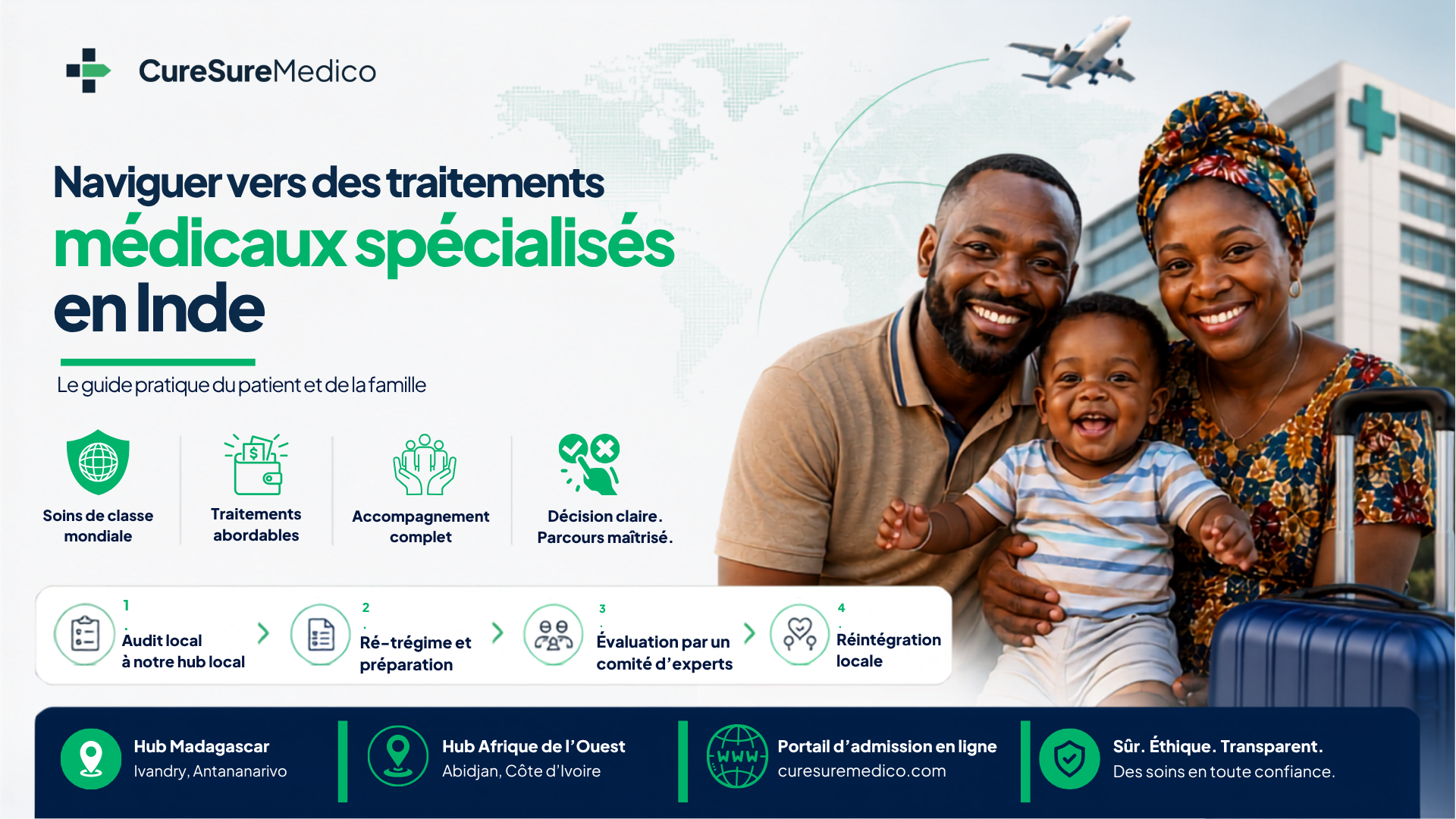
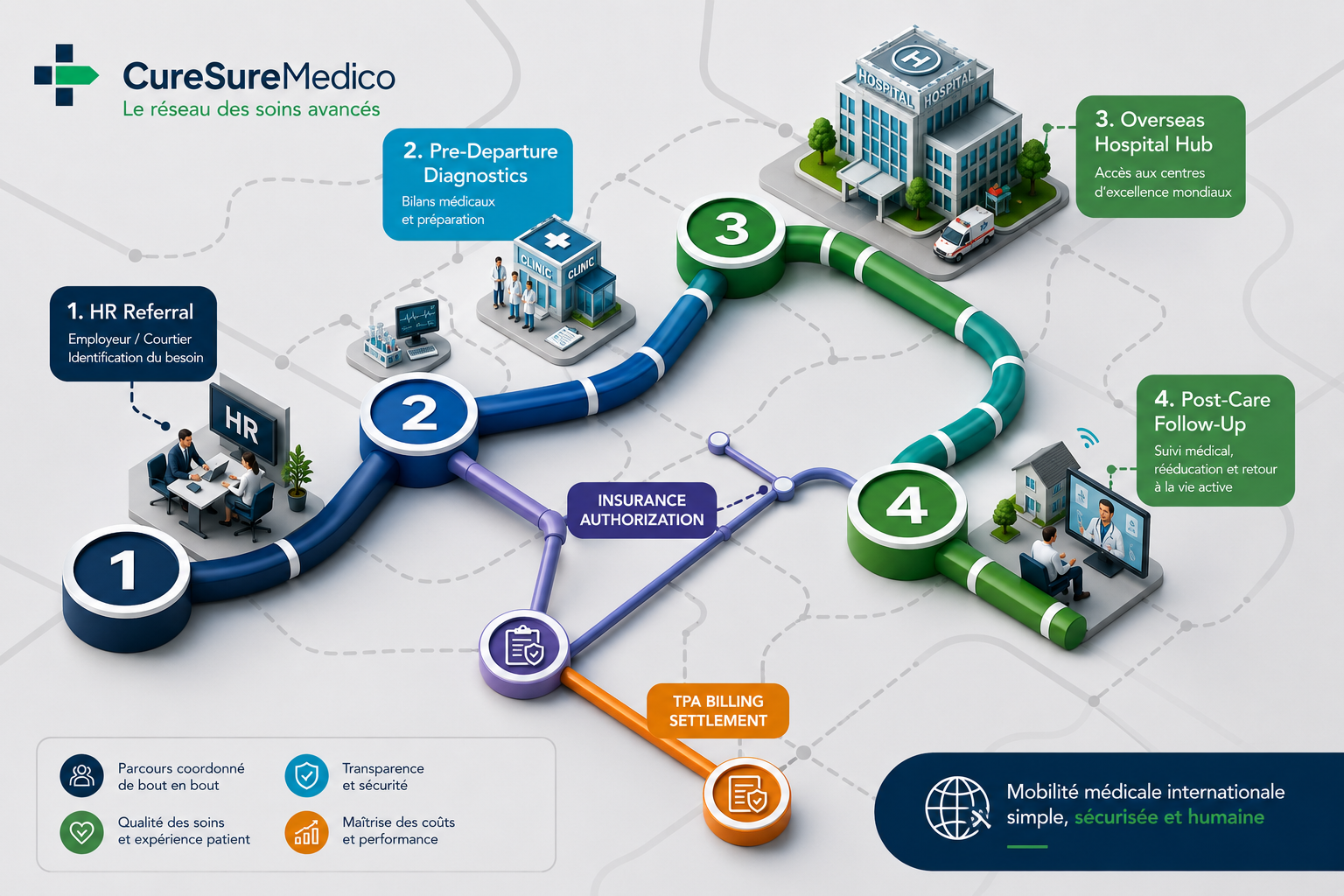
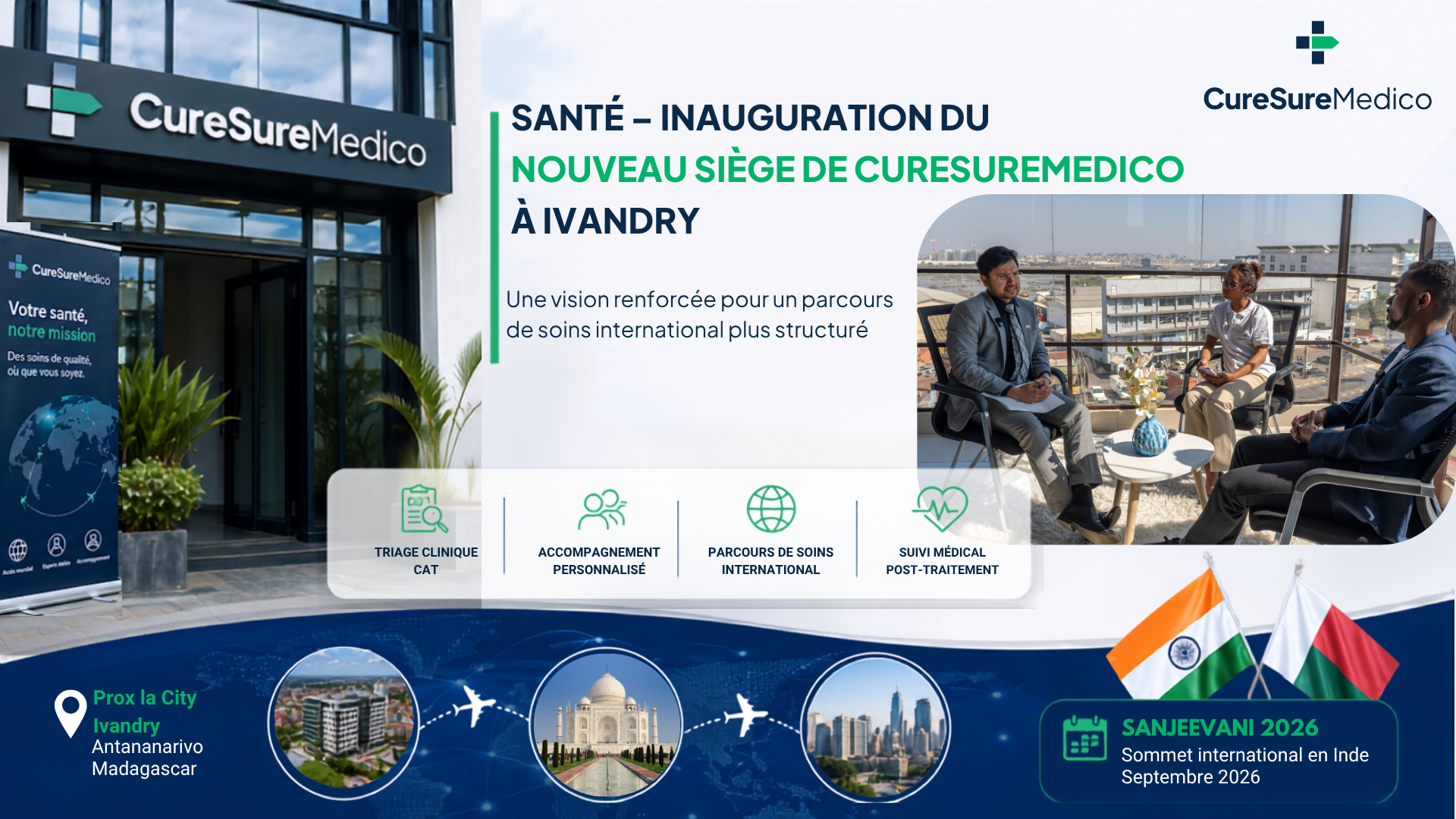
Receiving cancer treatment abroad involves more than choosing a hospital. Patients and their families often need help coordinating appointments, preparing medical records, planning travel, and organizing follow-up care. CureSureMedico supports patients throughout every stage of their international medical journey, making access to advanced cancer treatment simpler and more organized.
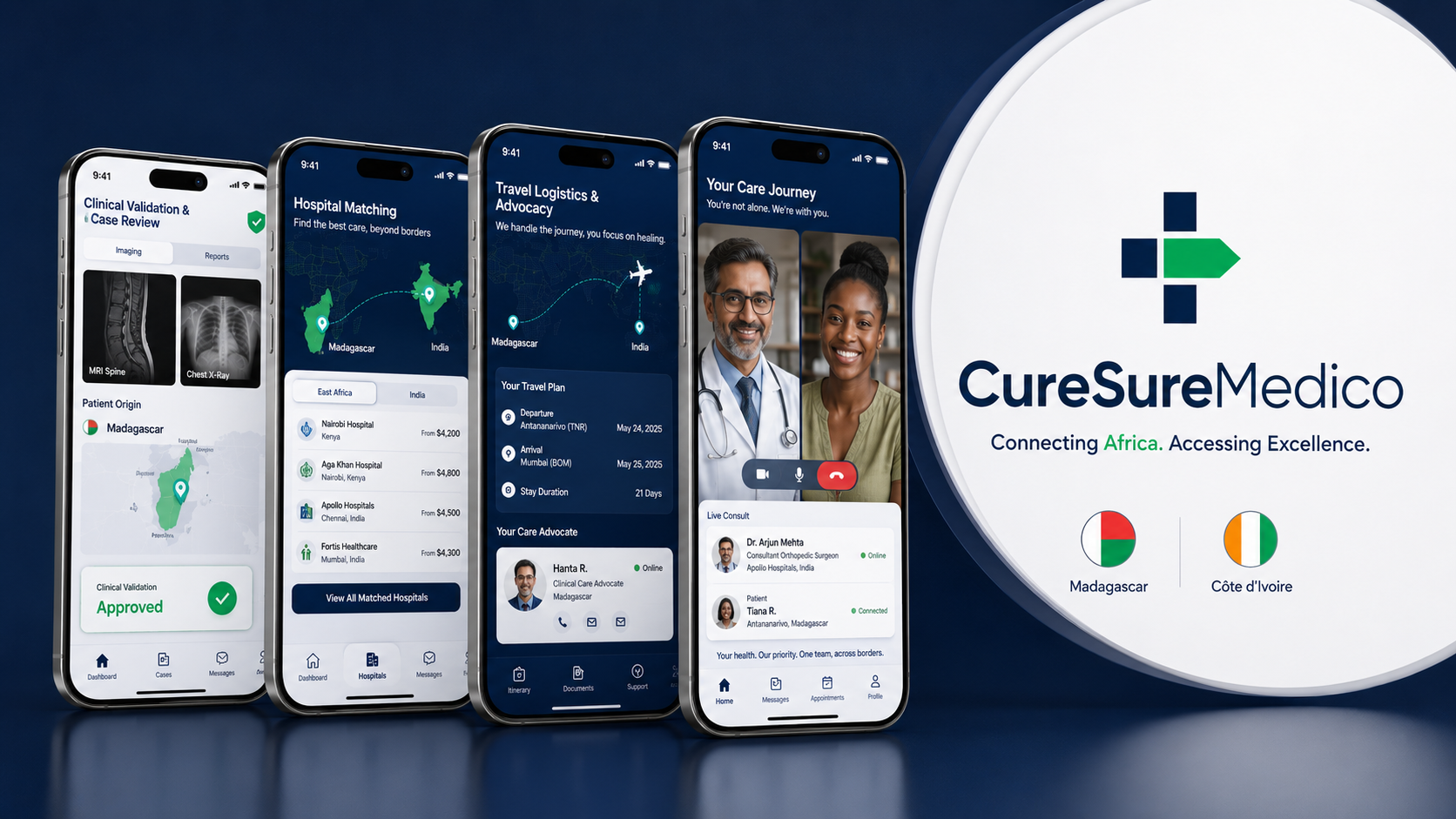
Independent medical review of pathology reports and imaging, referral to internationally recognized breast cancer specialists, coordination with accredited hospitals, appointment scheduling, treatment planning, travel logistics and accommodation support, assistance before departure and during hospitalization, patient advocacy throughout treatment, and continuity of care after returning home.
This coordinated approach helps reduce stress and allows patients to focus on their recovery while experienced professionals manage the practical aspects of cross-border care.
Our coordination services include:
Why Early Treatment Makes a Difference
Breast cancer outcomes have improved significantly over the past two decades.
Early diagnosis allows treatment to begin before the disease progresses, increasing the chances of successful treatment while reducing the need for more extensive surgery. Patients who receive timely evaluation and evidence-based treatment often experience better long-term outcomes and an improved quality of life.
Seeking medical advice as soon as symptoms appear — or attending regular screening when recommended — remains one of the most effective ways to improve survival.
Take the Next Step Toward Expert Breast Cancer Care
A breast cancer diagnosis can feel overwhelming, but you do not have to face it alone. Access to experienced specialists, modern diagnostic technology, and personalized treatment can make a significant difference at every stage of care.
CureSureMedico helps African patients access internationally recognized breast cancer centers through coordinated cross-border medical care. From the first medical review to treatment planning, travel coordination, and follow-up after returning home, our team is committed to providing compassionate support throughout your healthcare journey.
Frequently Asked Questions
Is breast cancer curable?
Many patients diagnosed at an early stage are successfully treated and remain cancer-free for many years. The outcome depends on the stage of the disease, the tumor type, and the treatment received.
What is triple-negative breast cancer?
Triple-negative breast cancer (TNBC) does not have estrogen receptors, progesterone receptors, or HER2 overexpression. Because hormone therapy and HER2-targeted treatments are not effective for this type, treatment may include chemotherapy, immunotherapy, or other targeted medicines when appropriate.
Can breast reconstruction be performed at the same time as a mastectomy?
Yes. Many women are eligible for immediate breast reconstruction during the same operation. Others may choose delayed reconstruction after completing cancer treatment.
Will I always need chemotherapy?
No. Many patients do not require chemotherapy. The decision depends on the cancer stage, lymph node involvement, and the results of biomarker testing.
How long will follow-up care continue?
Follow-up usually continues for many years after treatment. Regular consultations and imaging examinations help monitor recovery and detect any recurrence as early as possible.
How does CureSureMedico help international patients?
Our team coordinates the entire treatment journey, including medical record review, hospital selection, appointment scheduling, travel planning, communication with specialists, and continuity of care after patients return home.