Hearing loss is often called an invisible disability, yet its impact on daily life, relationships, and emotional well-being can be profound. When severe hearing loss progresses beyond what standard hearing aids can resolve, advanced medical interventions offer a powerful path back to sound and communication.
In a clinical educational overview presented by Stanford Health Care, leading specialists examine how cochlear implant surgery provides a life-changing solution for patients navigating severe to profound sensorineural hearing loss.
Watch Dr. Konstantin Stankovic Explain Cochlear Implant Treatment Below
Source: "Understanding Cochlear Implant Treatment for Sensorineural Hearing Loss", Stanford Health Care, where Dr. Konstantin Stankovic details how cochlear implantation restores speech clarity and auditory connection for patients facing severe hearing loss.
What Is a Cochlear Implant?
A cochlear implant is an advanced electronic medical device designed to bypass damaged structures in the inner ear and directly stimulate the auditory nerve.
Unlike traditional hearing aids—which simply amplify external sounds—a cochlear implant converts sound waves into digital signals. These signals are delivered directly to the cochlea via an internal electrode array, allowing the brain to perceive pitch, speech, and environmental audio with remarkable clarity.
Clinical Indications: When Is a Cochlear Implant Recommended?
According to Dr. Konstantin Stankovic, Otolaryngologist and Chair of the Department of Otolaryngology–Head & Neck Surgery at Stanford Health Care, hearing loss affects over 1.5 billion people worldwide, with sensorineural hearing loss originating primarily from inner ear damage.
Cochlear implantation is specifically recommended when:
Severe to Profound Sensorineural Hearing Loss: Patients experience extensive inner ear hair cell damage in one or both ears.
Limited Benefit from Hearing Aids: Traditional hearing aids no longer provide clear speech understanding, even in quiet settings.
Social & Functional Isolation: Straining to follow conversations in noisy environments or relying heavily on visual cues and lip-reading.
On Sensorineural Hearing Loss and Treatment Options: — Sensory neural hearing loss is the most common type of hearing loss and it typically originates from the inner ear... Treatment options are currently limited to primarily two types of devices: hearing aids typically work for people with mild hearing loss, and cochlear implants are reserved for people with severe to profound hearing loss. — Dr. Konstantin Stankovic, Stanford Health Care
Treatment Comparison: Hearing Aids vs. Cochlear Implants
Understanding the distinction between amplification and direct neural stimulation helps patients evaluate their options:
On the Unique Clarity of Cochlear Implants: — Implants are the only technology that can not only give you better access to sound, but better clarity. — Dr. Konstantin Stankovic, Stanford Health Care
| Feature | Traditional Hearing Aids | Cochlear Implants |
|---|---|---|
| Primary Function | Amplifies acoustic sound waves | Converts sound into digital electrical signals |
| Mechanism | Relies on existing inner ear hair cells | Bypasses damaged hair cells to stimulate auditory nerve directly |
| Indication | Mild to moderate hearing loss | Severe to profound sensorineural hearing loss |
| Speech Clarity | May sound muffled if hair cells are degraded | Restores clarity and speech comprehension |
Diagnostic Workup: Key Evaluations Before Surgery
Before proceeding with cochlear implant surgery, patients undergo a thorough diagnostic evaluation to confirm suitability and optimize outcomes:
Comprehensive Audiometric Testing: Specialized speech perception tests conducted both with and without hearing aids.
High-Resolution Imaging (CT / MRI): Imaging of the temporal bone and cochlear anatomy to evaluate the inner ear structure and auditory nerve path.
Otologic Examination: Evaluation by an otolaryngologist (ENT specialist) to ensure the middle ear and tympanic membrane are healthy.
Pre-Implant Counseling & Expectations Review: Auditory rehabilitation mapping to set realistic goals for post-surgical hearing recovery.
Procedure & Recovery: Step-by-Step Overview
Precision Surgical Placement: Under general anesthesia, the surgeon makes a small incision behind the ear to place the internal receiver.
Atraumatic Insertion: As Dr. Stankovic highlights, the electrode array is inserted atraumatically through a natural opening into the inner ear called the round window membrane, preserving natural structures along the cochlea.
Outpatient Recovery: The surgical procedure typically takes 2 to 3 hours, and most patients return home the same day or after a short overnight observation.
Device Activation & Mapping: Roughly 2 to 4 weeks after surgery, once healing is complete, the external audio processor is fitted and turned on.
Auditory Rehabilitation: Ongoing tuning (mapping) and listening exercises help the brain adapt to interpreting the new electrical sound signals.
Key Clinical Benefits
Restored Speech Comprehension: Allows patients to understand conversation clearly without relying heavily on lip-reading.
Improved Quality of Life: Re-engages patients in personal, social, and professional settings, reducing the isolation of severe hearing loss.
Enhanced Environmental Awareness: Restores critical safety cues, such as sirens, alarms, and environmental sounds.
Risks & Considerations
Surgical Risks: As with any minor otologic surgery, potential risks include temporary dizziness, taste alterations, or minor infection at the incision site.
Rehabilitation Commitment: Optimal hearing outcomes require dedicated post-operative mapping sessions and auditory training.
Expert Insights Summary: Key Takeaways
Targeted Intervention: Cochlear implants are specifically engineered for severe-to-profound hearing loss where standard hearing aids fail to provide adequate clarity.
Minimally Invasive Precision: Modern surgical technique emphasizes delicate, natural-access insertion into the cochlea to maximize outcomes.
Human Connection: Restoring hearing is fundamentally about reconnecting individuals to their families, communities, and surrounding world.
On Hearing and Human Connectedness: — Hearing is such an essential sense for human connectedness. — Dr. Konstantin Stankovic, Stanford Health Care
International Medical Care with CureSureMedico
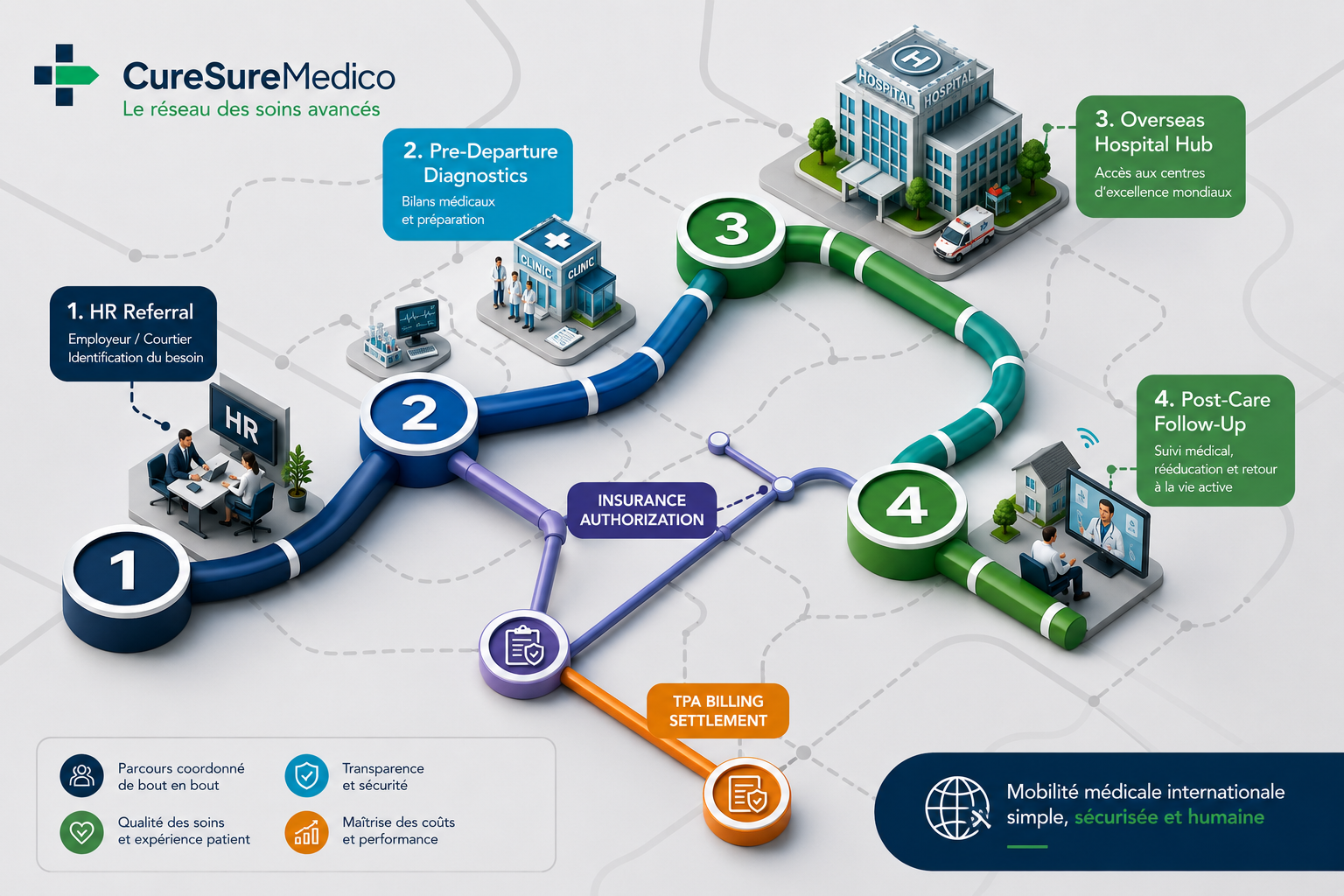
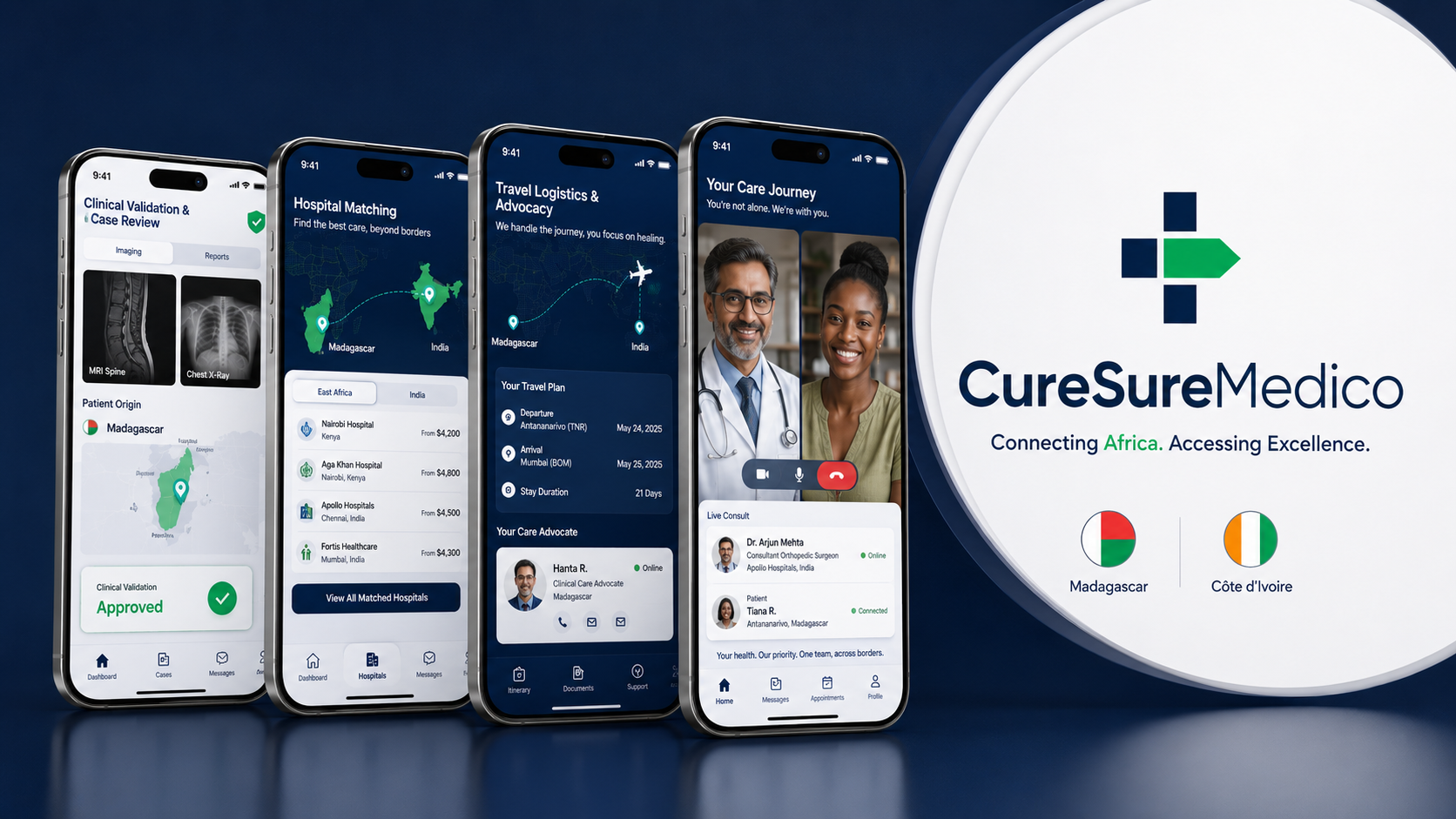
Accessing specialized otologic and cochlear implant care abroad requires seamless coordination, precise record reviews, and complete transparency. At CureSureMedico, we support international patients through every step of their treatment journey:
Independent Second Opinions: Direct review of your audiograms and CT/MRI scans by leading international ear specialists.
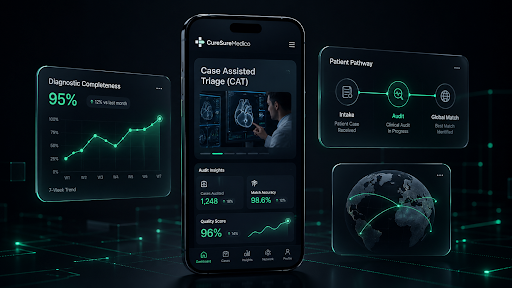
Case Assisted Triage (CAT): Rigorous pre-travel clinical audits to verify implant candidacy before traveling abroad.
Accredited Network Matching: Access to vetted ENT and otology centers across 250+ partner hospitals globally.
Transparent Pricing: Fixed, flat-fee logistical coordination with zero commission or hidden markups on hospital bills.
End-to-End Logistics & Post-Care: Complete assistance with medical visas, travel arrangements, accommodation, and coordinated post-implant follow-up back home.
Considering a Cochlear Implant?
If severe hearing loss is limiting your ability to communicate, work, or connect with family, CureSureMedico can help you access an independent ENT and otology review and coordinate a pathway to accredited cochlear implant centers.
Contact a CureSureMedico advisor today to evaluate your eligibility for cochlear implant surgery and discuss your treatment options with accredited ENT centers.
Frequently Asked Questions
Does a cochlear implant restore normal hearing instantly?
Device activation brings immediate sound access, but optimal speech understanding improves gradually over weeks and months as the brain adapts through auditory rehabilitation.
Can adults of any age receive a cochlear implant?
Yes. Age alone is not a barrier to cochlear implantation. Adults of all ages—from young professionals to seniors—benefit significantly as long as they meet general medical and audiometric criteria.
How long does a cochlear implant last?
The internal surgically implanted component is designed to last a lifetime. The external sound processor can be upgraded as newer technology becomes available without needing additional surgery.
How does CureSureMedico assist patients seeking ENT care abroad?
CureSureMedico coordinates the entire cross-border medical pathway—from initial record auditing and hospital matching to travel arrangements and follow-up care back home in Africa.