For companies with employees working across different countries, protecting their health is a major responsibility. When an employee faces a serious medical condition abroad, the situation can become difficult very quickly. Complex heart conditions, major injuries, or cancer treatment needs may require access to specialized hospitals that are not available locally.
Many companies already provide healthcare benefits. However, when an employee needs treatment outside their home country, traditional solutions may not provide enough support. A simple insurance document or emergency contact number is not always enough.
Companies need a clear cross-border care strategy that answers important questions: how do we find the right hospital, who reviews the medical situation before travel, how do we control unexpected costs, and how do we support the employee after treatment? A strong medical evacuation policy should protect both the employee and the company throughout the complete medical journey.
Why Companies Should Review Their Medical Evacuation Policy
Many organizations only review their process after a medical emergency happens. At that moment, HR teams often need to coordinate everything: collecting medical records, contacting hospitals, arranging flights, managing visas, and communicating with different healthcare teams. HR teams are essential for employee support, but they should not have to make complex medical decisions.
A better approach starts before the emergency becomes critical. Companies should have a structured process that reviews each case, identifies the right specialists, and creates a clear patient journey timeline. This preparation helps employees access better medical care while reducing stress for internal teams. A complete review should focus on four important areas that help companies understand if their current provider can truly support employees during international medical situations.
1. Independent Medical Review Before Travel
Traditional approach: many emergency policies react only after the situation becomes serious. A local hospital may recommend treatment abroad, but companies may not have enough information to confirm if international treatment is necessary, which hospital is the best option, or which specialist has the right experience. Without proper review, companies may make decisions too quickly.
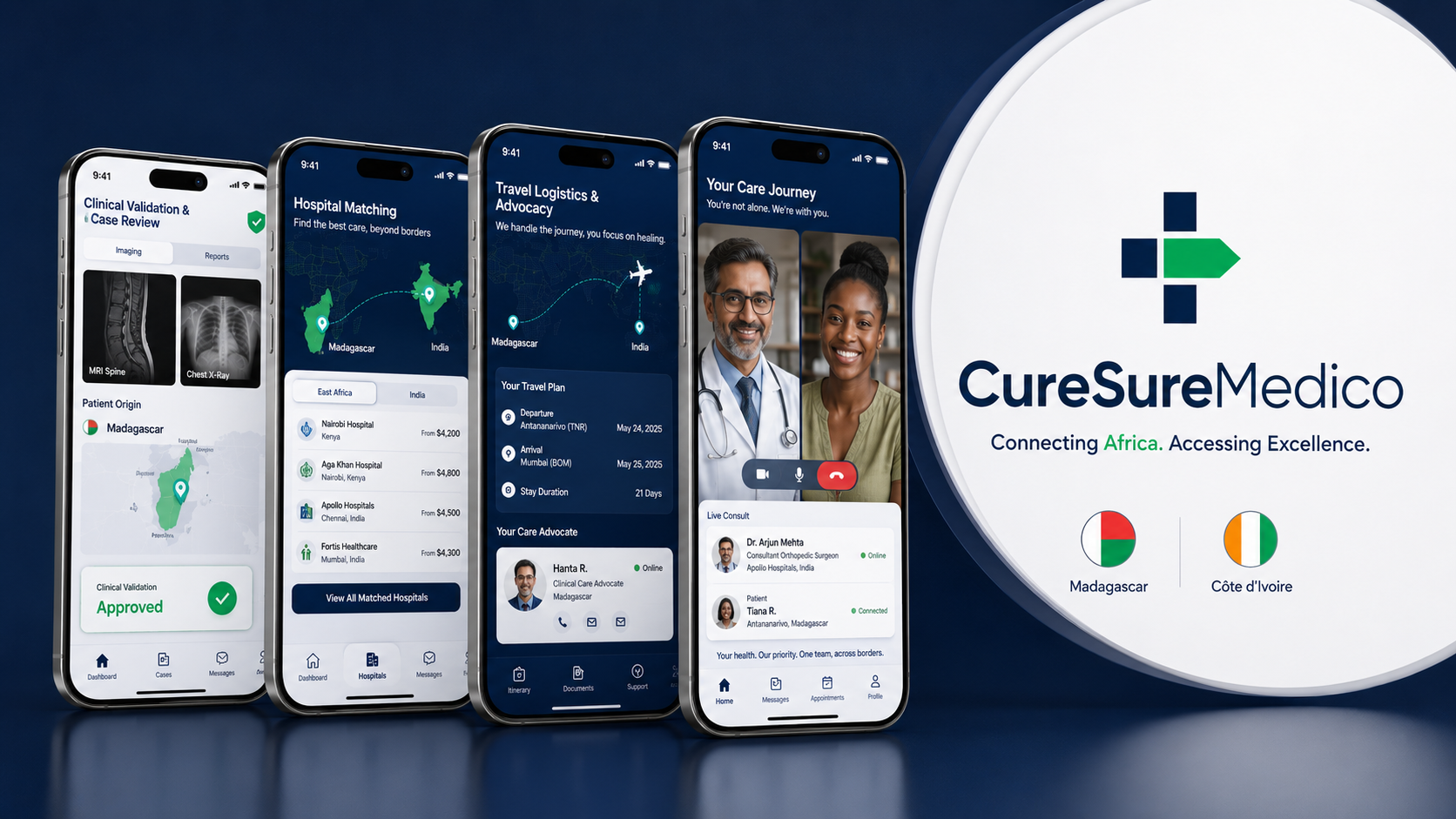
Better approach: a stronger process begins with an independent medical review. Before any international travel decision, medical experts review the patient's medical records, current health conditions, previous treatments, and specialist requirements. This helps match each medical patient with the right hospital and healthcare team. The goal is simple: make sure employees receive the right treatment from the right specialists.
2. Reducing HR Workload and Travel Logistics Pressure
Traditional approach: during a medical emergency, HR teams often become the main coordination point. They may spend hours contacting hospitals, preparing documents, organizing transportation, and handling communication between countries. This creates unnecessary pressure during an already stressful situation.
Better approach: a professional healthcare coordination service manages these tasks while keeping HR informed, including hospital communication, medical documentation, travel logistics, and appointment coordination. HR receives clear updates instead of managing every detail, allowing companies to focus on supporting their employees.
3. Clear Costs and Transparent Billing
Traditional approach: international medical treatment can involve unclear costs. Some companies work with multiple service providers, which can make it difficult to understand who manages the case, what services are included, and how hospital charges are calculated. This can create financial surprises.
Better approach: a strong policy should include transparent billing. Companies should look for direct hospital invoices, clear coordination fees, simple cost structures, and full visibility on expenses. This helps companies and insurance companies manage healthcare budgets more effectively. Transparency creates trust between employers, employees, and healthcare providers.
4. Continuity of Care After Treatment
Treatment does not end when an employee leaves the international hospital. The return home is another important stage of the process. Without proper coordination, important information may be lost between international specialists and local doctors, which can affect medication follow-up, rehabilitation, and future medical decisions.
A complete solution includes continuity of care. Before returning home, healthcare teams should prepare updated medical records, treatment summaries, and follow-up recommendations. This helps local doctors continue care safely and improves communication between different healthcare systems.
Supporting Employees Through Patient Advocacy
Medical travel can be stressful for employees and their families. During a difficult health situation, employees need clear information and reliable support. This is where patient advocacy becomes important. A dedicated patient advocate can help employees understand their treatment options, communicate with healthcare teams, navigate different healthcare settings, and stay informed throughout the process.
Supporting employees is not only about arranging treatment. It is about making sure they feel guided during the entire healthcare journey.
Comparing Two Medical Evacuation Approaches
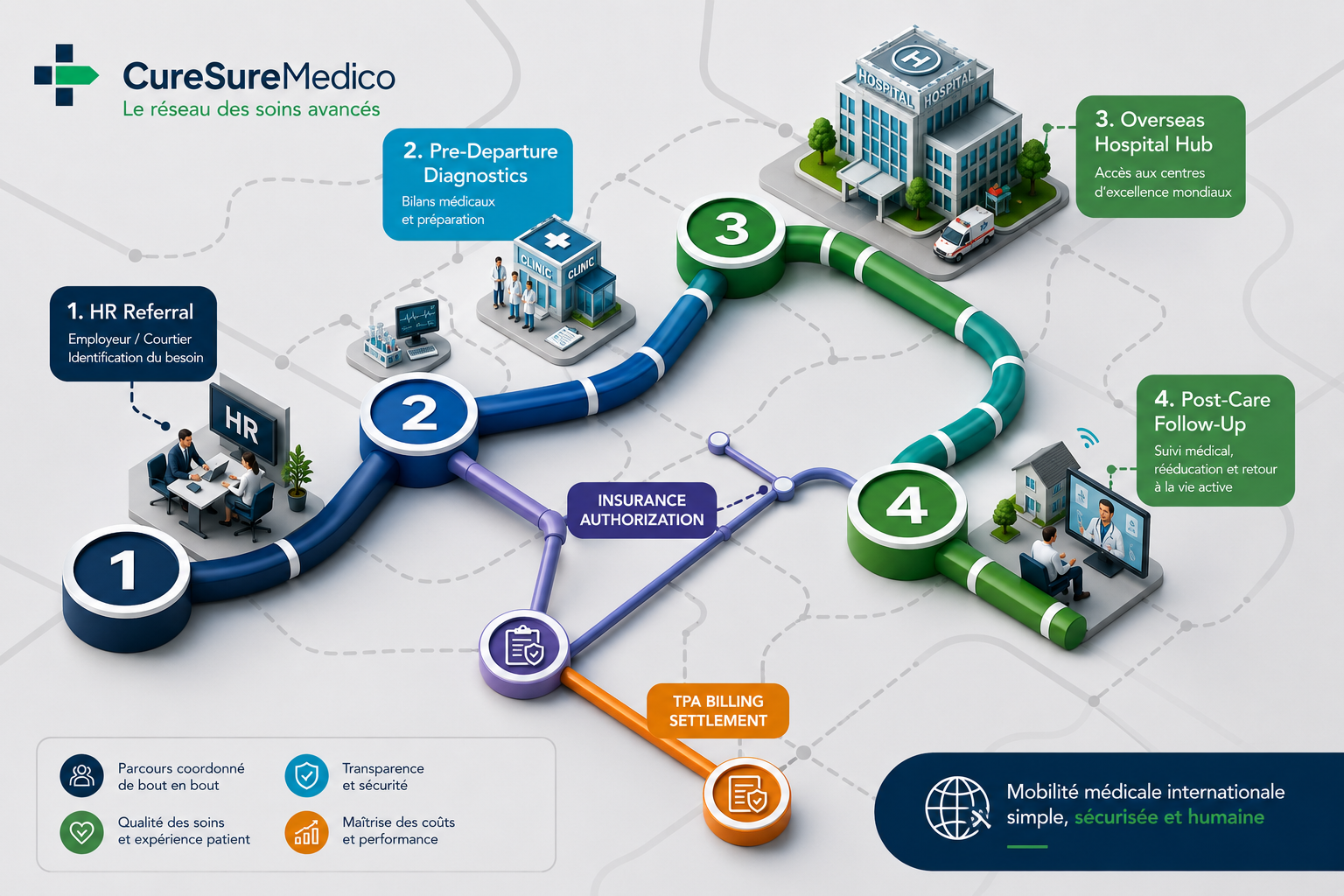
The difference between an unmanaged and a managed approach becomes clear when the full patient journey is mapped from start to finish.
Traditional approach: Emergency Situation → HR Searches for Solutions → Travel and Hospital Coordination → Limited Follow-Up. Modern cross-border care approach: Independent Medical Review → Specialist Hospital Matching → Transparent Coordination → Continuity of Care. The traditional approach reacts after problems appear. The modern approach prepares before problems happen.
Building Long-Term Healthcare Protection
For global companies, medical evacuation should not be seen as a single emergency service. It should be part of a long-term healthcare strategy. A complete process supports employees from the first medical assessment to recovery at home, including medical review, specialist selection, international travel support, treatment coordination, and follow-up care.
Whether employees are located in Europe, Asia, Africa, or the United States, companies need reliable healthcare solutions. A structured approach helps organizations protect their workforce while maintaining control over costs and decisions.
Conclusion: Preparing Before the Emergency Happens
The best time to review a medical evacuation policy is before a serious situation occurs. By evaluating current processes, companies can identify weaknesses and create safer pathways for employees. A successful medical journey is not only about reaching the right hospital — it is about ensuring employees receive support before, during, and after treatment.
A strong cross-border healthcare strategy combines medical expertise, clear communication, and long-term support. Contact a CureSureMedico care coordinator today to review your organization's medical evacuation policy.