For patients facing critical blood disorders or complex hematologic malignancies, navigating treatment options across international borders requires absolute clarity, clinical precision, and access to experienced specialist care. Bone marrow transplantation—also known as stem cell transplantation—has evolved into a transformative therapeutic option for patients worldwide.
To help patients and families understand this procedure, we examine the insights shared by Dr. William Hogan, Director of the Bone Marrow Transplant Program at Mayo Clinic, during a dedicated clinical overview.
Watch Dr. William Hogan Explain Bone Marrow Transplantation in Detail Below
Source: "Bone marrow transplant: Mayo Clinic Radio", where Dr. William Hogan explains how stem cell transplantation restores damaged bone marrow and provides curative care for complex blood disorders.
What Is a Bone Marrow Transplant?
A bone marrow transplant is a specialized medical procedure in which healthy blood-forming stem cells are infused into a patient's bloodstream to replace damaged, diseased, or non-functioning bone marrow.
The bone marrow functions as the body's primary factory for producing red blood cells, white blood cells, and platelets. When diseased or destroyed by aggressive conditions or high-dose treatments, replacing these stem cells is essential to restore proper immune function and systemic health.
Depending on the underlying condition and clinical strategy, transplants fall into two primary categories:
Autologous Transplant: Uses healthy stem cells collected directly from the patient's own body prior to high-dose therapy.
Allogeneic Transplant: Uses compatible stem cells harvested from a matched living donor (family member or unrelated donor).
Clinical Indications: When Is This Procedure Recommended?
Bone marrow transplantation is utilized for a wide array of both cancerous (malignant) and non-cancerous (benign) hematologic conditions.
According to Dr. William Hogan, stem cell transplantation serves as a critical intervention for:
Leukemia and Lymphoma: Aggressive malignancies of the blood and lymphatic system where conditioning therapies clear malignant cells before healthy stem cell reinfusion.
Multiple Myeloma: Plasma cell disorders where autologous stem cell rescues enable intensive therapeutic regimens.
Severe Aplastic Anemia & Marrow Failure Disorders: Non-cancerous conditions where the body ceases production of adequate blood cells.
Hemoglobinopathies: Genetic blood disorders affecting red blood cell function.
On the Scope of Stem Cell Transplantation: — A bone marrow transplant is a procedure that infuses healthy blood-forming stem cells into your body to replace your damaged or diseased bone marrow... Bone marrow transplants can benefit people with a variety of both cancerous and noncancerous diseases. — Dr. William Hogan, Director of the Bone Marrow Transplant Program at Mayo Clinic
Treatment Comparison: Autologous vs. Allogeneic Transplants
Understanding the mechanics of donor matching and conditioning helps patients evaluate the treatment path recommended by their multidisciplinary medical team:
| Feature | Autologous Transplant | Allogeneic Transplant |
|---|---|---|
| Stem Cell Source | Patient's own harvested cells | Matched donor (related or unrelated) |
| Graft-vs-Host Risk | None (self-derived cells) | Requires monitoring and immunosuppressive management |
| Primary Goal | Allows high-dose therapy rescue | Replaces diseased marrow with new donor immune system |
| Typical Indications | Multiple Myeloma, specific Lymphomas | Acute Leukemias, Severe Aplastic Anemia |
Diagnostic Workup: Key Evaluations Before Treatment
Prior to undergoing a bone marrow transplant, patients undergo a thorough, multi-system diagnostic audit to verify overall health and treatment eligibility:
Comprehensive Bloodwork & HLA Typing: Detailed blood panels to evaluate organ function and determine precise Human Leukocyte Antigen (HLA) matching for donor selection.
Bone Marrow Aspiration & Biopsy: Microscopic examination of marrow cell architecture and genetic markers.
Advanced Cardiac & Pulmonary Imaging: Echocardiograms, ECGs, and Pulmonary Function Tests (PFTs) to ensure heart and lung resilience.
Infectious Disease Screening: Comprehensive viral and bacterial panels to minimize post-transplant infection risks.
Procedure & Recovery: Step-by-Step Overview
Stem Cell Harvesting: Cells are collected via apheresis (from blood) or bone marrow extraction, either from the patient or matched donor.
Conditioning Phase: Patients receive tailored chemotherapy or radiation to clear remaining diseased cells and prepare the marrow space.
Infusion Day: The harvested stem cells are infused intravenously into the bloodstream, similar to a blood transfusion.
Engraftment & Monitoring: Over several weeks, the infused stem cells travel to the bone marrow cavity and begin manufacturing new blood cells. Patients remain under strict isolation and supportive care to protect against infections.
Key Clinical Benefits
Curative Potential: Offers potential long-term remission or cure for severe hematologic malignancies and bone marrow failures.
Restoration of Immunity: Rebuilds a healthy, functioning blood and immune system.
Risks & Considerations
Infection Susceptibility: Temporary suppression of white blood cells requires protective isolation and proactive anti-infective management.
Graft-versus-Host Disease (GVHD): In allogeneic transplants, donor cells may recognize host tissue as foreign, requiring careful immunosuppressive therapy.
Organ Toxicity: Conditioning regimens require continuous monitoring of kidney, liver, and lung function.
Expert Insights Summary: Key Takeaways from Dr. William Hogan
Versatile Application: Stem cell transplantation is effective across a broad spectrum of malignant and non-malignant hematologic conditions.
Tailored Modalities: The choice between autologous (self) and allogeneic (donor) transplantation is customized based on specific disease biology and patient profile.
Specialized Infrastructure: Successful outcomes rely heavily on experienced multidisciplinary clinical teams and standardized safety protocols.
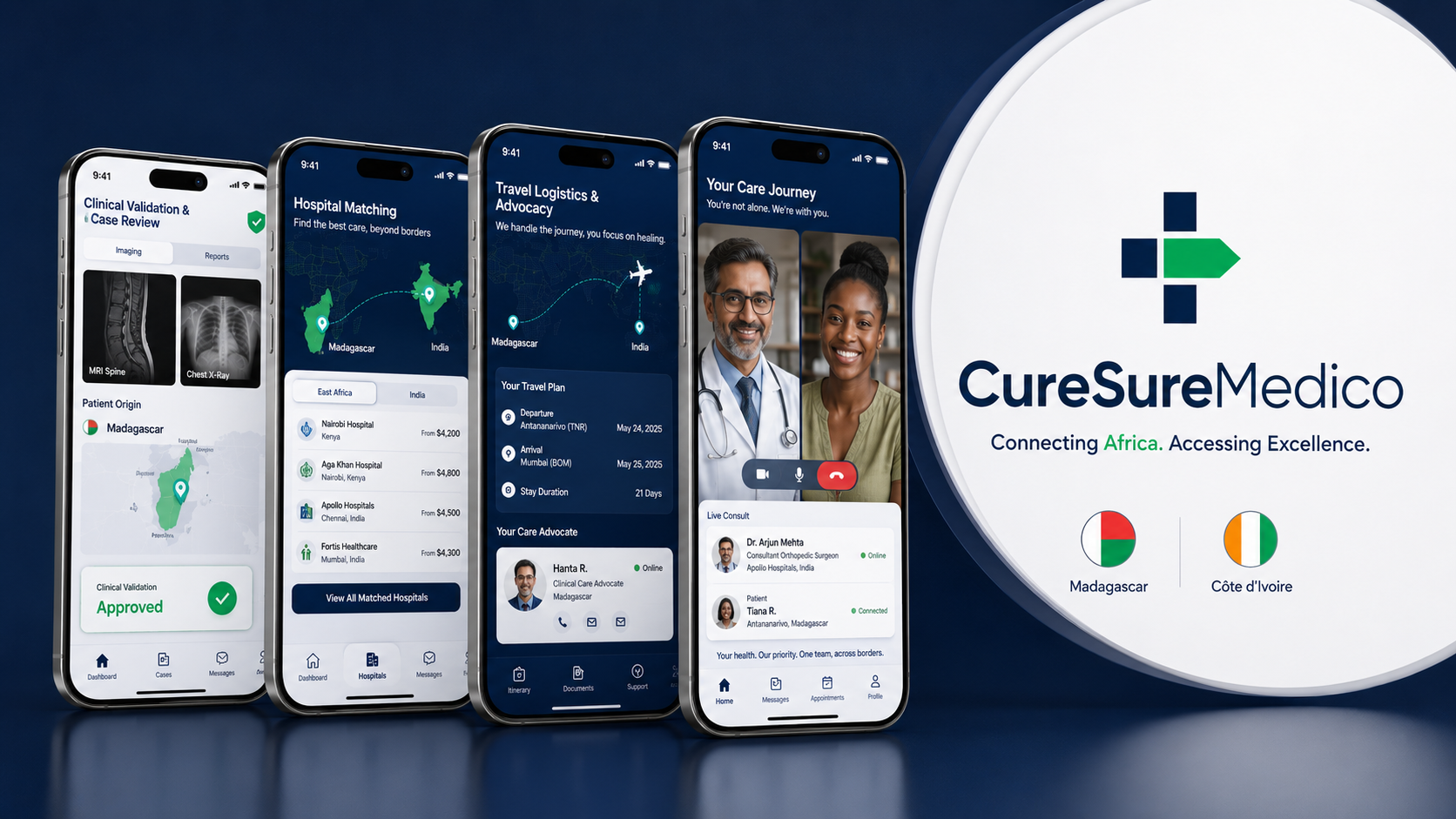
International Medical Care with CureSureMedico
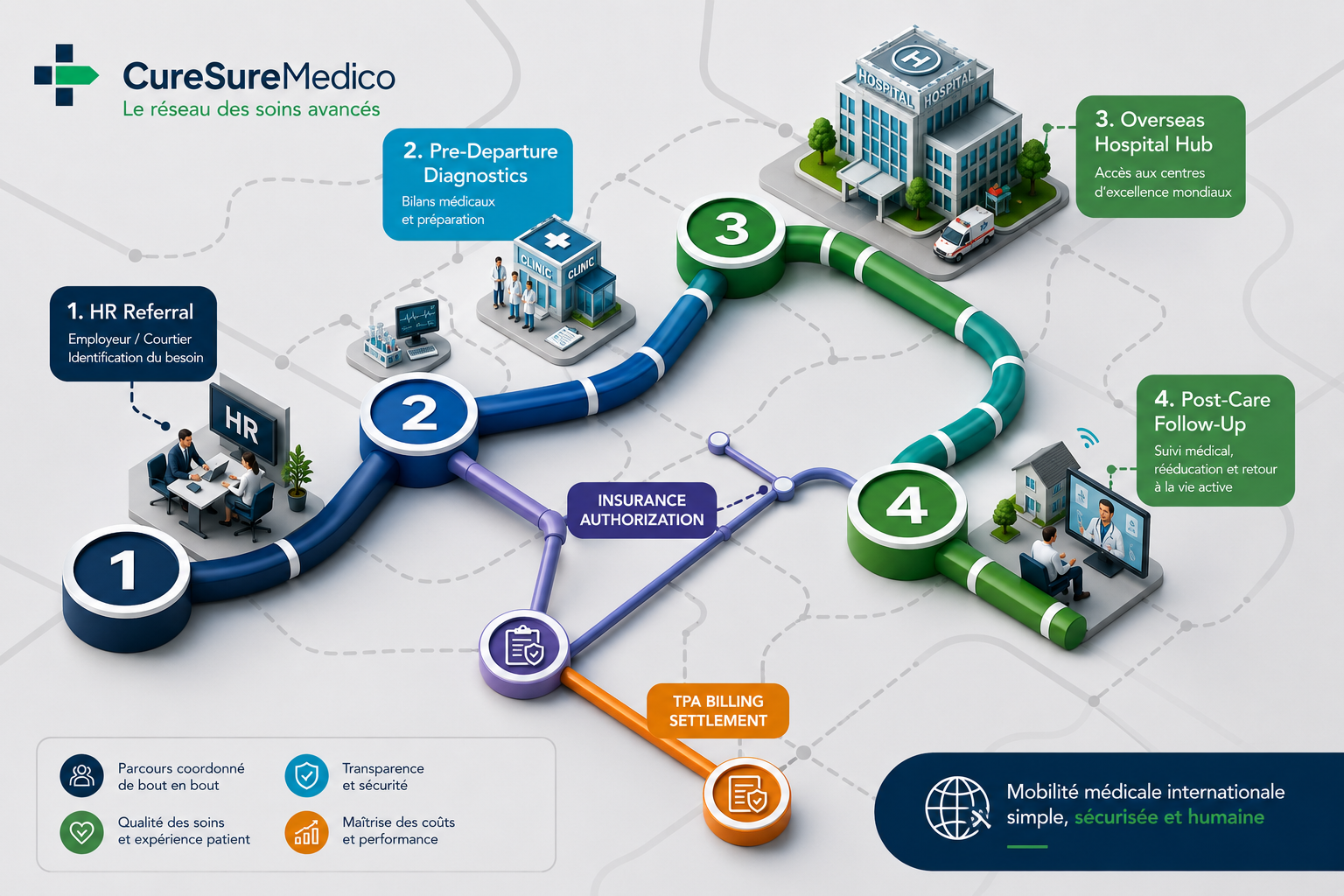
Navigating specialized oncology and bone marrow transplant procedures abroad can feel overwhelming. At CureSureMedico, we simplify every step of your international healthcare journey with complete transparency and clinical rigor:
Independent Second Opinions: Direct review of your diagnostic workup by leading international hematology-oncology specialists.
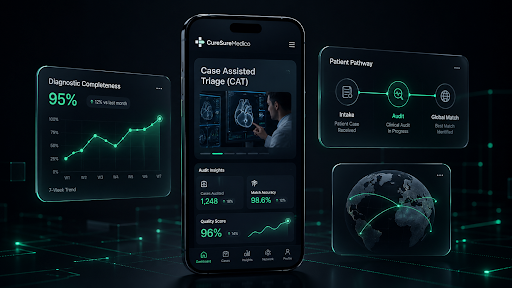
Case Assisted Triage (CAT): Rigorous clinical auditing of your medical records before travel to ensure transplantation is appropriate and timely.
Hospital Matching & Direct Billing: Seamless connection to over 250 accredited international hospital hubs with flat-fee coordination and transparent, direct hospital invoicing.
End-to-End Medical Travel Logistics: Comprehensive support covering medical visas, accommodation, flight arrangements, and local transport for patients and caregivers.
Post-Procedure Continuity: Structured coordination between international clinical teams and your local doctors back home in Africa for long-term follow-up care.
Considering a Bone Marrow Transplant?
If you or a loved one has been diagnosed with a blood cancer or a severe non-malignant marrow disorder, CureSureMedico can help you access an independent hematology-oncology review and coordinate a pathway to accredited stem cell transplant centers.
Explore our Stem Cell & Regenerative Medicine specialty to learn more about accredited bone marrow transplant centers and evaluate your treatment options.
Frequently Asked Questions
What is the difference between bone marrow and stem cell transplants?
The terms are often used interchangeably. Bone marrow transplantation specifically refers to harvesting cells directly from bone marrow tissue, whereas peripheral blood stem cell transplantation harvests stem cells from the bloodstream after mobilization.
How long does the recovery process take?
Initial engraftment typically takes 2 to 4 weeks in the hospital setting. Full immune system recovery can take anywhere from several months to a year, during which medical follow-ups are essential.
Can family members serve as stem cell donors?
Yes. Siblings often provide the best chance for a full HLA match in allogeneic transplants, though haploidentical (half-matched) family donors and matched unrelated donors from international registries are also widely used.
How does CureSureMedico assist international patients seeking a transplant?
CureSureMedico handles the full international pathway—from initial record review and specialist selection to hospital booking, travel coordination, and local post-treatment follow-up.