India achieved a notable clinical milestone in 2025, recording 20,138 organ transplants — a 6.5% increase over 2024 and roughly four times the annual volume reported in 2013 (4,990 procedures).
According to data published by the National Organ and Tissue Transplant Organisation (NOTTO), India now ranks 3rd globally in total transplant volume, behind the United States and China, and remains the world's largest destination for living-donor procedures.
For patients across Sub-Saharan Africa and the Indian Ocean region considering a liver transplant or kidney transplant, this data point reflects a maturing, closely regulated, and increasingly digitized surgical ecosystem rather than a guarantee of any individual outcome — clinical suitability is always determined case by case.
Surgical Volume and Regional Specialization Across India
National volume growth is not evenly distributed. Reported 2025 figures show distinct regional strengths between high-volume private surgical centers and state-level deceased-donor retrieval networks.
Reported regional performance for 2025 includes:
Delhi-NCR — 4,564 Transplants: The highest total surgical output nationally, concentrated in high-volume living-donor liver and kidney programs at quaternary-care centers such as Fortis Memorial Research Institute. 142 deceased donors were recorded in the region in 2025.
Tamil Nadu — 2,796 Transplants: The national leader in deceased-donor retrieval, with 266 donors in 2025 through its state transplant organization (SOTTO) network, alongside multi-organ transplant programs at centers such as Apollo Hospitals Chennai.
Maharashtra — 2,136 Transplants: Advanced pediatric and adult transplant programs, with 184 deceased donors recorded in 2025.
Telangana — 1,523 Transplants: Specialized cardiac, lung, and living-donor liver programs, with 205 deceased donors recorded in 2025.
Kerala — 1,489 Transplants: High-density clinical expertise supported by regional organ retrieval pathways, with 118 deceased donors recorded in 2025.
Policy Modernization: "One Nation, One Policy" and the e-Pratyaropan Portal
To keep pace with rising surgical demand, India's Ministry of Health and Family Welfare has implemented structural reforms intended to reduce administrative friction, reinforce legal compliance, and standardize donor allocation nationally.
Key elements of this digital governance upgrade include:
The e-Pratyaropan Digital Portal: A nationwide platform connecting regional (ROTTO) and state (SOTTO) transplant organizations across approximately 1,200 accredited hospitals, tracking waitlists, donor registries, and surgical outcomes in real time.
"One Nation, One Policy": State domicile requirements for transplant waitlists were removed, registration fees waived, and upper recipient age limits revised, intended to improve equitable access to deceased-donor allocation across states.
Aadhaar-Verified Donor Pledges: Public awareness campaigns, including the "Jug Jiyo Abhiyaan" initiative, have pushed Aadhaar-verified organ donation pledges past 500,000, intended to build a longer-term foundation for deceased-donor availability.
Expanding Regional Institutional Capacity: The expansion of specialized transplant wings across regional AIIMS campuses is intended to decentralize high-end transplant care away from metro capitals into broader clinical corridors over time.
Addressing the Deceased Donor Gap
Deceased-donor transplants expanded from 837 in 2013 to 3,526 in 2025, yet living-donor procedures continue to account for the large majority of transplant surgeries performed in India.
With an estimated 173,000 road fatalities occurring annually in India, national authorities have identified improved Brain-Stem Death (BSD) identification in trauma intensive care units, expanded grief-counseling networks, and faster inter-city organ retrieval via dedicated "green corridors" as priority areas for closing this gap.
What This Means for International Patients and Insurers
For international families and third-party administrators (TPAs) evaluating cross-border transplant care, this regulatory and clinical data carries direct practical implications:
Mandatory Ethical Verification: Living-donor procedures involving non-citizens are subject to mandatory review by State Authorisation Committees under the Transplantation of Human Organs Act (THOA), intended to confirm legal, ethical, and clinical compliance before surgery is scheduled.
Clinical Benchmarking: High reported surgical volumes at specific centers are generally associated with experienced intensive-care teams and refined infection-control protocols, though outcomes remain specific to each hospital, surgical team, and patient.
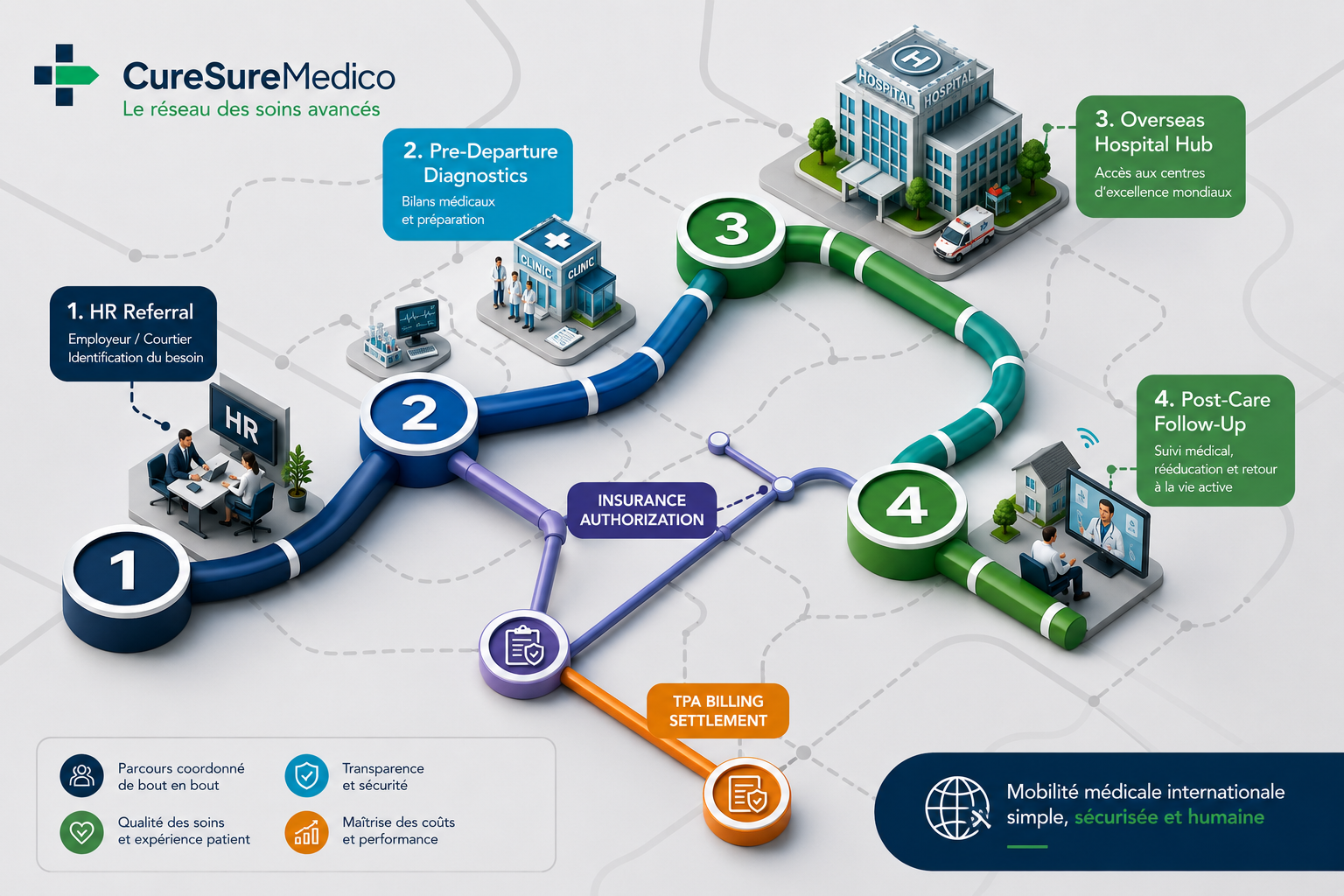
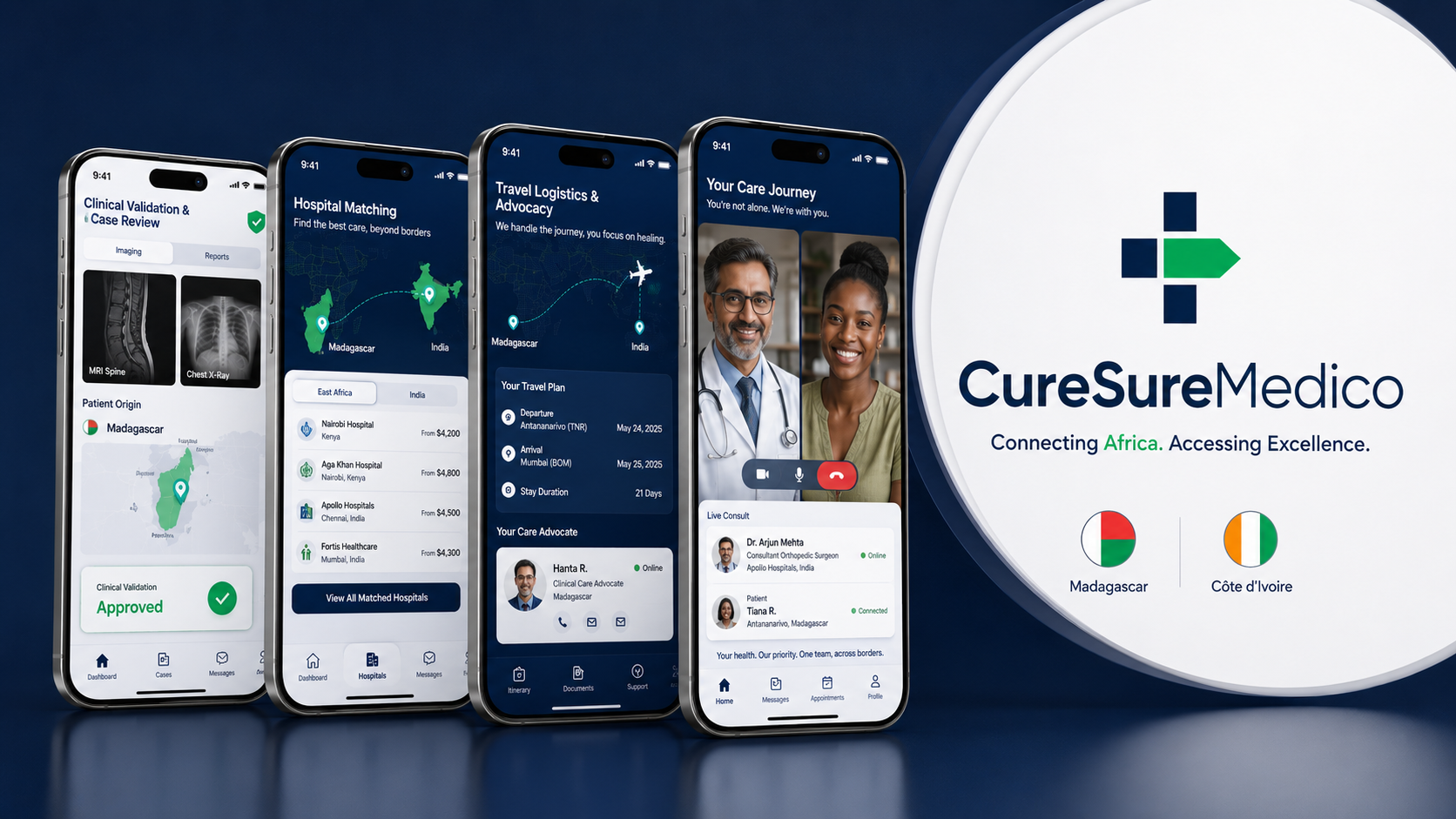
End-to-End Coordination of Care: CureSureMedico can help coordinate the international care pathway — from pre-departure document preparation and Authorisation Committee case-file organization, to travel logistics and post-discharge continuity of care with your local physician. Clinical decisions and treatment remain the responsibility of the treating hospital and its medical team.
Considering a Liver or Kidney Transplant Pathway in India?
Patients, insurers, and referring physicians evaluating organ transplant options abroad can request a preliminary case review through CureSureMedico's international coordination team, including guidance on the Authorisation Committee process and an independent second opinion where appropriate.
Contact a CureSureMedico care coordinator today to request a case review for a liver, kidney, or other organ transplant pathway in India.
Frequently Asked Questions
Is it legal for a non-citizen to receive a living-donor transplant in India?
Yes, provided the case is reviewed and approved by a State Authorisation Committee under the Transplantation of Human Organs Act (THOA), which verifies donor-recipient relationships and consent before surgery is scheduled. This process applies to all living-donor cases involving foreign nationals.
What is the e-Pratyaropan portal?
It is a national digital platform, launched to connect regional and state transplant organizations across roughly 1,200 accredited hospitals in India, tracking waitlists, donor registries, and surgical outcomes in real time as part of the country's transplant governance reforms.
Why does India rely so heavily on living donors rather than deceased donors?
Deceased-donor transplants have grown substantially (from 837 in 2013 to 3,526 in 2025) but still represent a minority of total procedures. National authorities attribute part of the gap to underdeveloped Brain-Stem Death identification in some trauma centers, which recent policy reforms and awareness campaigns aim to address.
How long does the Authorisation Committee review process typically take for international cases?
Timelines vary by state and hospital, since each case is reviewed individually by the relevant State Authorisation Committee. CureSureMedico's case-management team helps prepare and organize the required documentation in advance to avoid unnecessary delays.