When advanced medical treatment requires crossing borders, the first question is often simple: how much will the treatment cost?
Patients, families, employers, and organizations naturally focus on the visible expenses — the hospital charges, specialist fees, medical procedures, and length of stay. However, anyone who has managed an employee's medical evacuation or supported a family facing a complex healthcare situation abroad understands that the hospital invoice represents only one part of the overall journey.
The real complexity of cross-border healthcare often lies in the surrounding ecosystem: selecting the right medical destination, coordinating specialists, managing documentation, arranging travel, supporting families, and ensuring that every decision is made based on clinical needs rather than uncertainty. For organizations responsible for employee healthcare, and for patients seeking advanced treatment internationally, the key challenge is not only accessing quality hospitals — it is creating a structured, transparent, and clinically guided pathway from diagnosis to recovery.
The Hidden Complexity of Medical Travel: Where Unmanaged Costs Appear
When medical travel is organized without a structured healthcare coordination framework, unexpected costs and operational challenges can quickly accumulate. These challenges generally appear across three major areas.
1. Unpredictable Transportation and Urgent Travel Requirements
Medical conditions rarely align with convenient travel schedules. When treatment decisions must be made quickly, patients and families may face last-minute flight arrangements, medical escort requirements, special travel considerations, and additional administrative procedures.
Without proper coordination, transportation costs can increase significantly, while families may struggle to identify the safest and most appropriate travel options for a patient's medical condition. A structured medical travel process ensures that travel planning is aligned with clinical requirements, treatment timelines, and patient safety considerations.
2. Accommodation and Ground Coordination Challenges
Hospital treatment costs usually cover only the period of medical care provided inside the healthcare facility. However, many patients require additional support before admission and after discharge, including pre-treatment consultations and investigations, waiting periods before procedures, recovery time before medical clearance for travel, accommodation arrangements for accompanying family members, and airport and hospital transfers.
Without reliable coordination, families and organizations may face unnecessary expenses and logistical difficulties in unfamiliar environments. A dedicated care coordination approach helps ensure that accommodation, transportation, and local support services are planned efficiently as part of the overall healthcare journey.
3. Unclear Cost Structures in Intermediary-Based Models
Medical travel often involves multiple stakeholders, and the way services are coordinated can significantly impact transparency. Some intermediary-based models rely on commissions or service markups, which may make it difficult for patients or organizations to understand the complete cost structure of their healthcare journey.
For individuals, employers, and institutions managing healthcare expenses, transparency is essential. They need clarity on what portion represents hospital treatment costs, what services are included in coordination, and how additional expenses are managed. A transparent healthcare navigation model separates clinical treatment costs from coordination services, allowing patients and organizations to make informed decisions.
A Transparent Approach: Direct Hospital Billing and Fixed Coordination Services
To reduce uncertainty in international healthcare journeys, CureSureMedico follows a structured model designed around transparency, clinical governance, and coordinated support.
Traditional medical travel model: hospital charges + unclear intermediary costs + unplanned logistics = increased financial uncertainty. CureSureMedico healthcare navigation model: direct hospital billing + transparent coordination service fee = predictable healthcare journey.
Transparency Through Direct Hospital Billing
CureSureMedico maintains a clear separation between healthcare providers and coordination services. Medical treatment costs are billed directly by the treating hospital to the patient, employer, insurer, or sponsoring organization.
CureSureMedico does not add treatment markups to hospital invoices. The hospital remains responsible for clinical services and treatment charges, while CureSureMedico focuses on coordinating the healthcare pathway. This approach provides greater visibility into treatment estimates, hospital charges, specialist recommendations, and the overall care plan. Patients and organizations can therefore evaluate treatment options based on medical suitability and transparent financial information.
A Fixed Coordination Framework for the Complete Care Journey
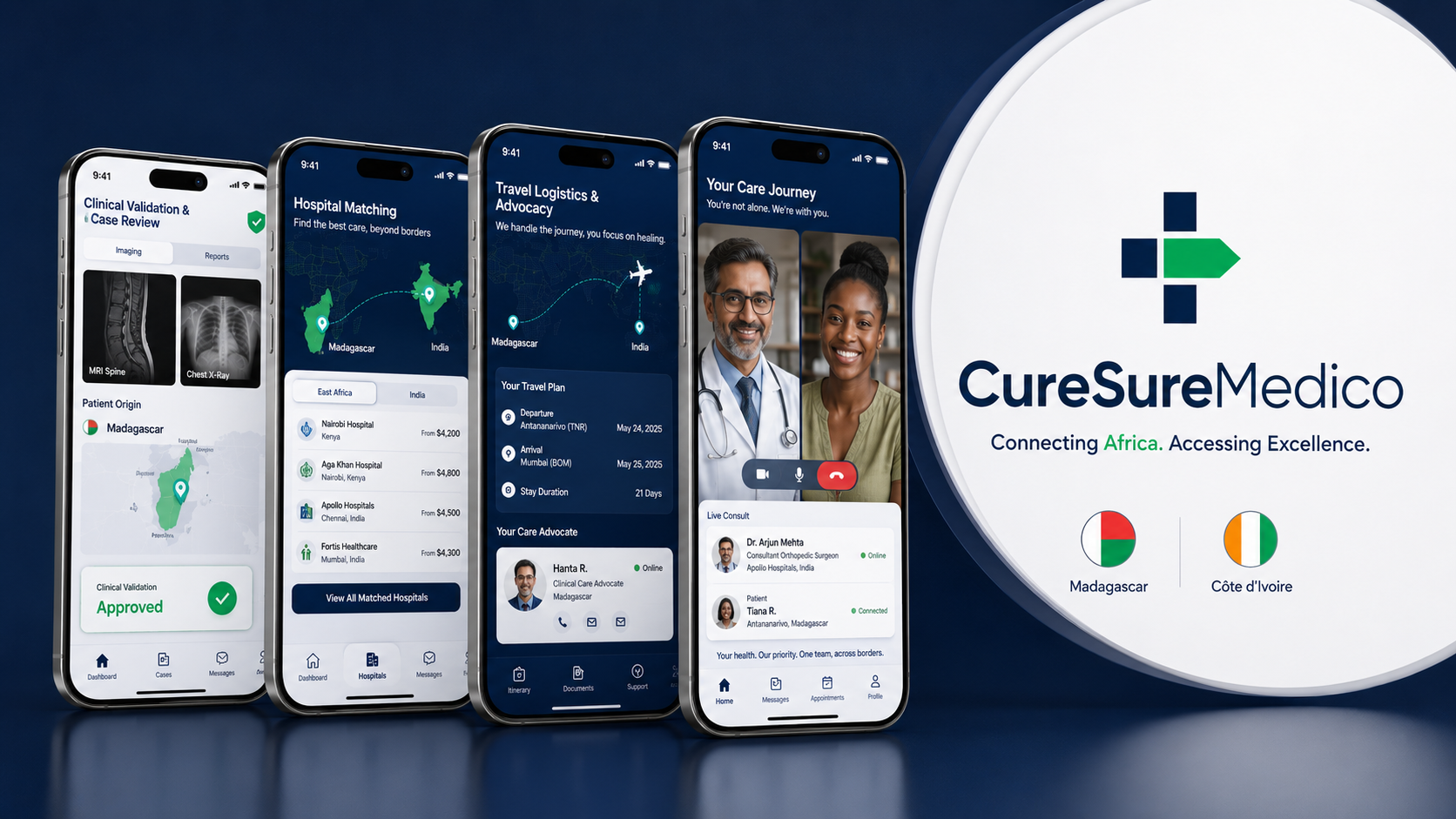
Cross-border healthcare involves much more than selecting a hospital. Patients often require support with medical record preparation and review, specialist matching, international consultations, treatment coordination, visa documentation support, travel planning, accommodation coordination, and communication between healthcare stakeholders.
Through a transparent coordination service model, CureSureMedico manages these non-clinical and administrative aspects through a clearly defined service structure. For HR teams and organizations, this creates a single coordination point that reduces administrative workload and improves visibility throughout the employee healthcare journey. For patients and families, it provides dedicated guidance during a complex period, helping them navigate important decisions with better information and structured support.
Clinical Governance Before International Treatment Decisions
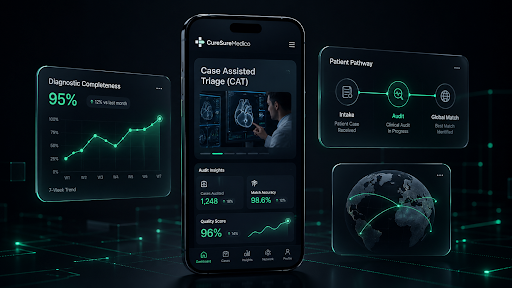
The most effective way to reduce unnecessary healthcare costs is to ensure that international treatment is considered only when clinically appropriate. Through the Case-Assisted Triage (CAT) system, patient medical information is reviewed before international referral decisions are finalized.
This process helps identify whether additional diagnostic clarification is required, whether specialized international expertise is needed, which healthcare institutions are most appropriate for the patient's condition, and what treatment pathway best matches the patient's medical needs. By connecting patients with an international network of carefully evaluated hospitals and specialists, CureSureMedico focuses on finding the right care pathway rather than simply arranging medical travel.
Moving From Medical Travel to Managed Healthcare Navigation
Cross-border healthcare should not be an unpredictable journey driven by urgency and fragmented decisions. A successful international healthcare experience requires three essential elements: clinical guidance that ensures patients are directed to appropriate specialists and treatment options, financial transparency that provides clear visibility between medical costs and coordination services, and operational support that manages the complex logistics involved in accessing care across borders.
By combining clinical governance, transparent coordination, and direct hospital relationships, CureSureMedico helps patients, employers, and organizations access advanced healthcare internationally with greater confidence, clarity, and control. Contact a CureSureMedico care coordinator today.