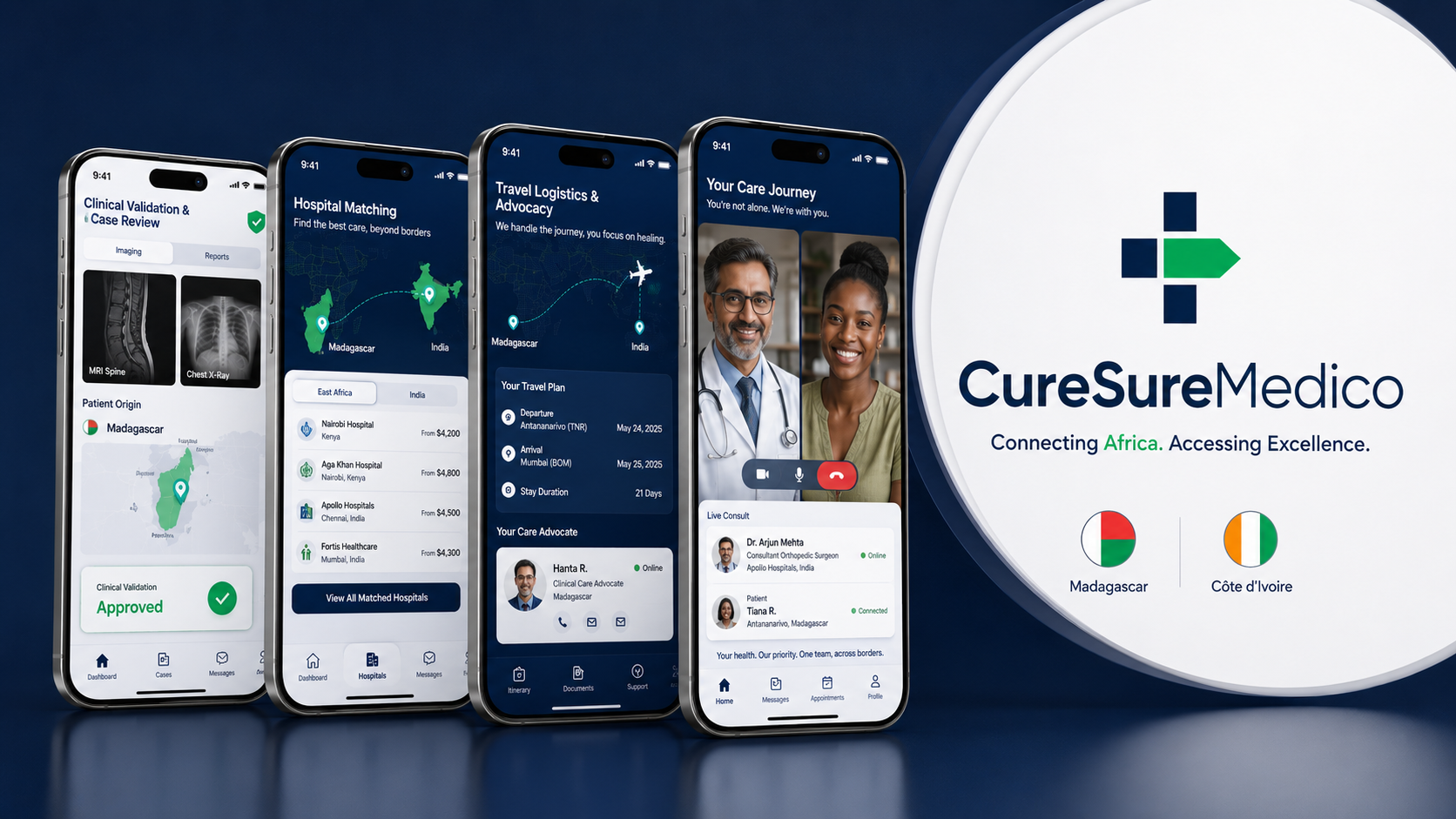
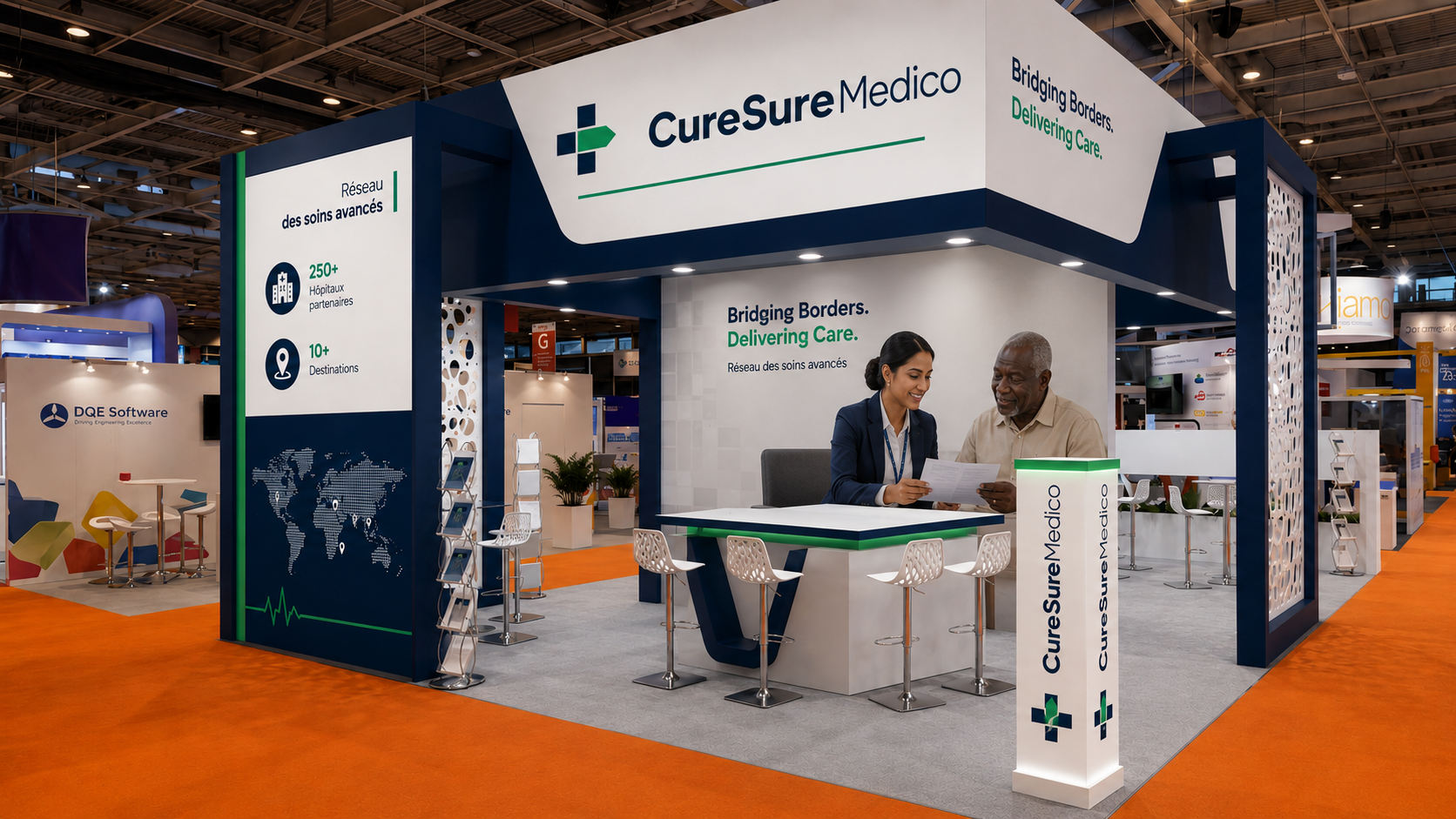
Travelling abroad for medical care requires careful clinical planning, legal preparation, and financial clarity.
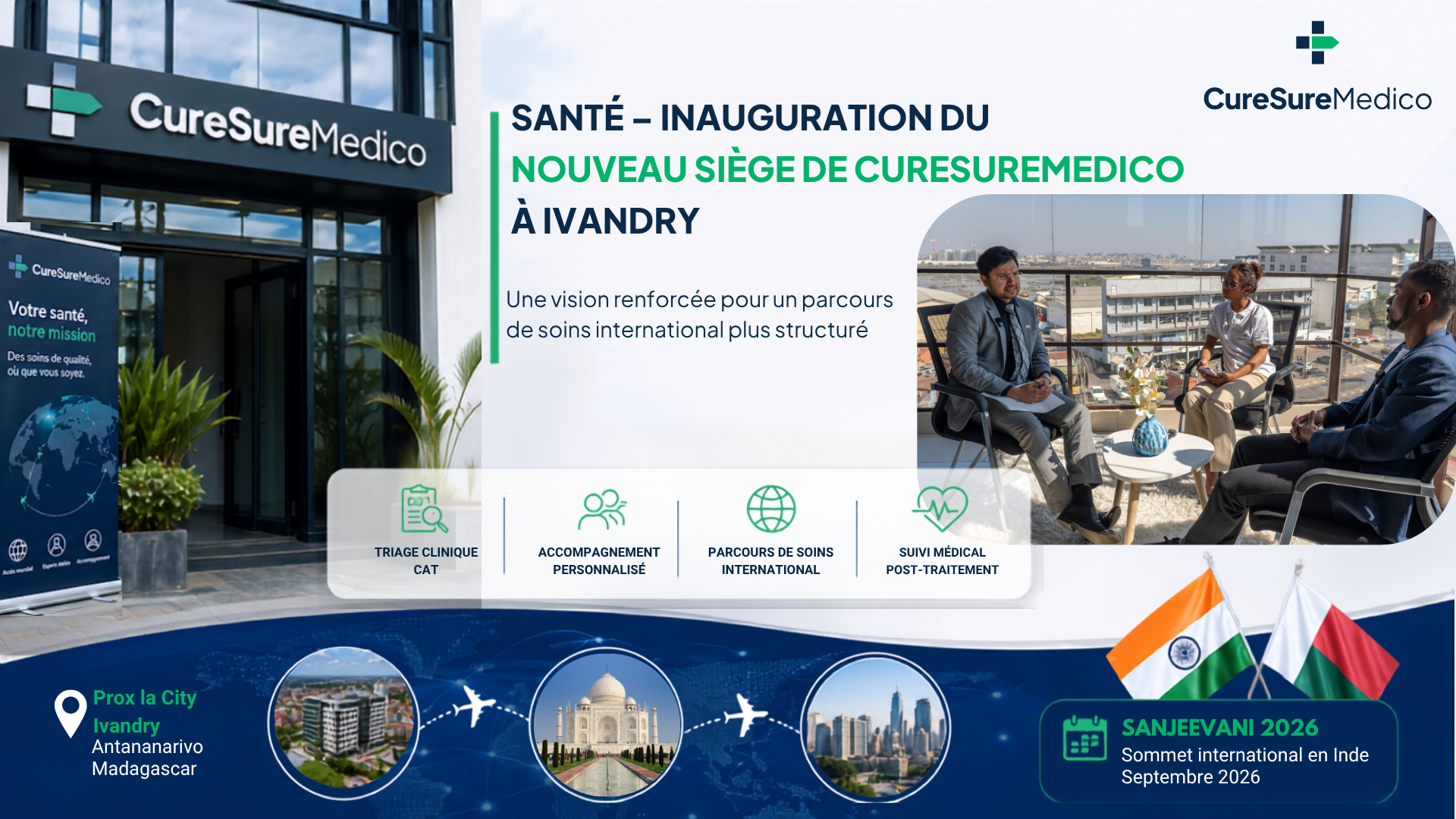
This guide provides a structured breakdown for patients across Africa—including those accessing our regional coordination hubs in Ivandry (Antananarivo, Madagascar) and Abidjan (Côte d'Ivoire)—who are considering specialized treatment in India through CureSureMedico (CSM).
Why India? Clinical Capabilities & Cost Factors
India serves as a global hub for tertiary and quaternary care, providing direct access to specialized treatment centers for African families.
Advanced Clinical Technologies: Direct access to Da Vinci robotic surgical systems, CyberKnife radiosurgery, Proton Beam Therapy, and specialized pediatric cardiac units.
International Accreditation: Partner hospitals maintain JCI (Joint Commission International) and NABH certifications, matching global clinical standards.
Financial Savings: Specialized surgical procedures typically cost 60% to 80% less in India compared to self-pay care in Europe or North America.
Immediate Admission: Eliminates extended waiting lists for time-sensitive oncological, cardiac, or neurosurgical procedures.
Main Medical Specialties Served
Our coordination protocol focuses on complex medical interventions requiring multidisciplinary care:
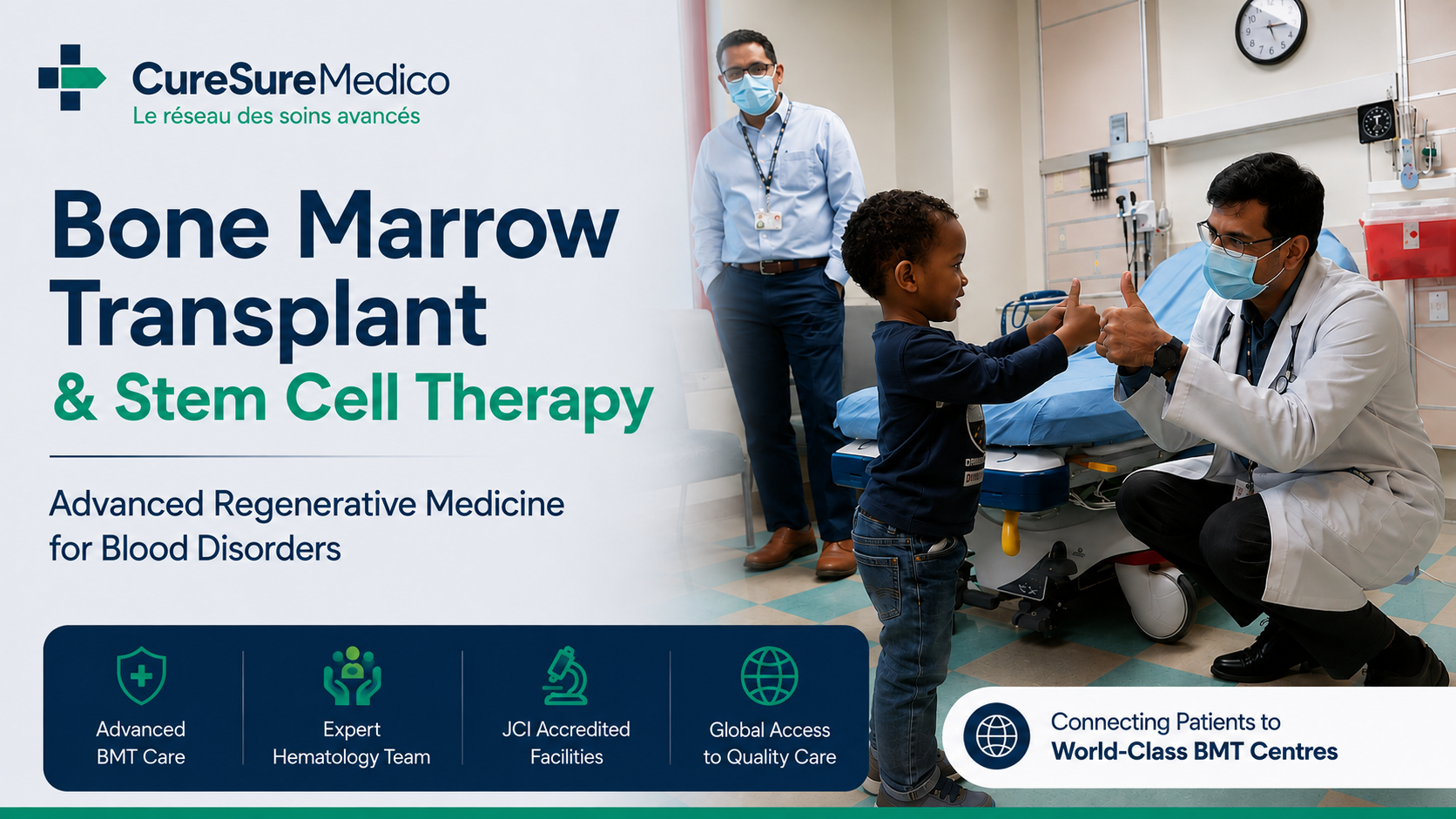
Oncology (Cancer Management): Surgical Oncology, CyberKnife Radiation, Targeted Chemotherapy, Immunotherapy, and Bone Marrow Transplants (BMT).
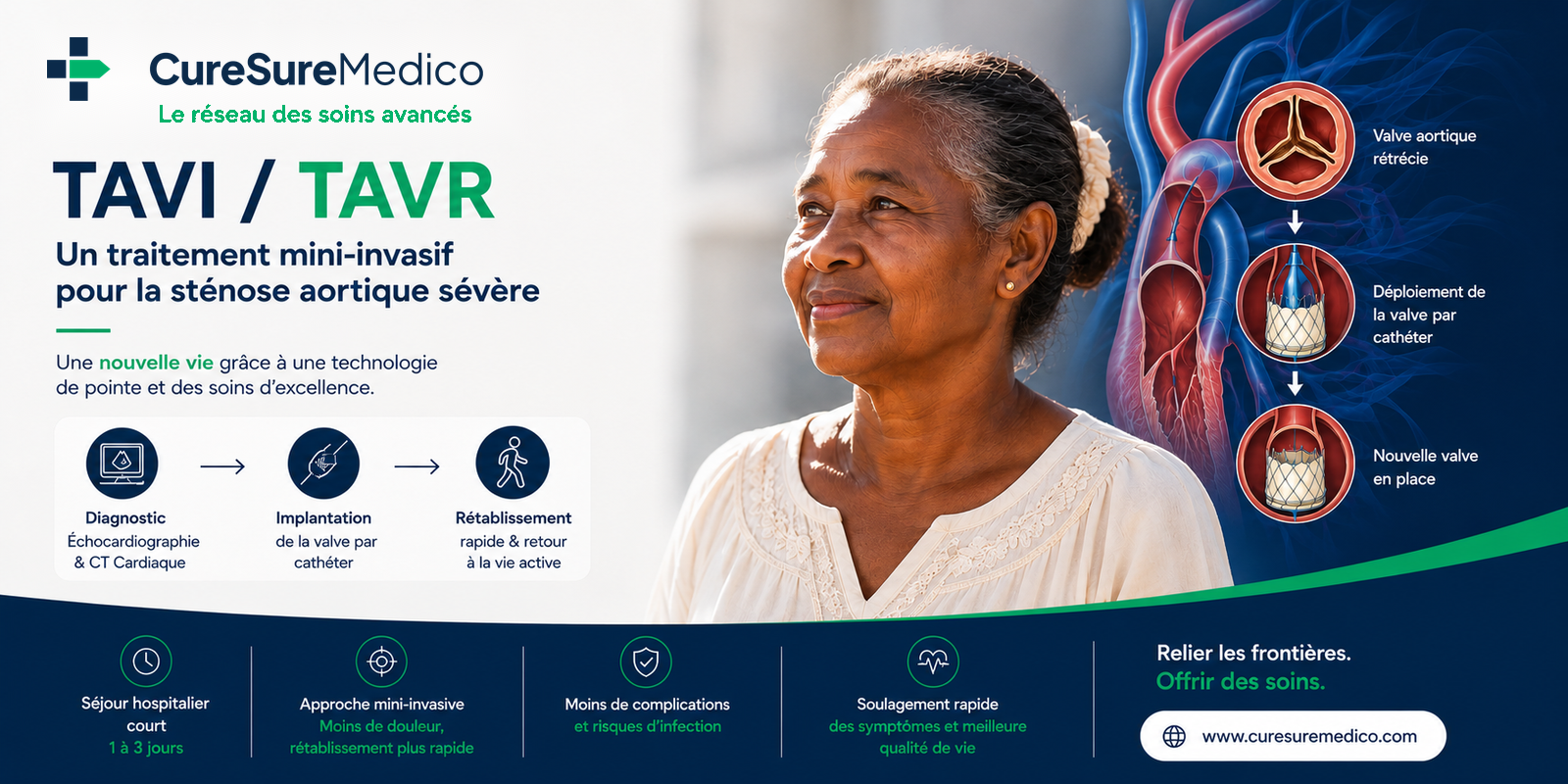
Cardiology & Cardiac Surgery: Adult & Pediatric CABG, Heart Valve Replacement/Repair, and Complex Congenital Defect Corrections.
Orthopedics & Spine: Robotic Total Joint Replacements, Complex Spine Reconstruction, and Pediatric Orthopedics.
Organ Transplantation: Living-Donor Kidney and Liver Transplants (strictly compliant with international legal bioethics).
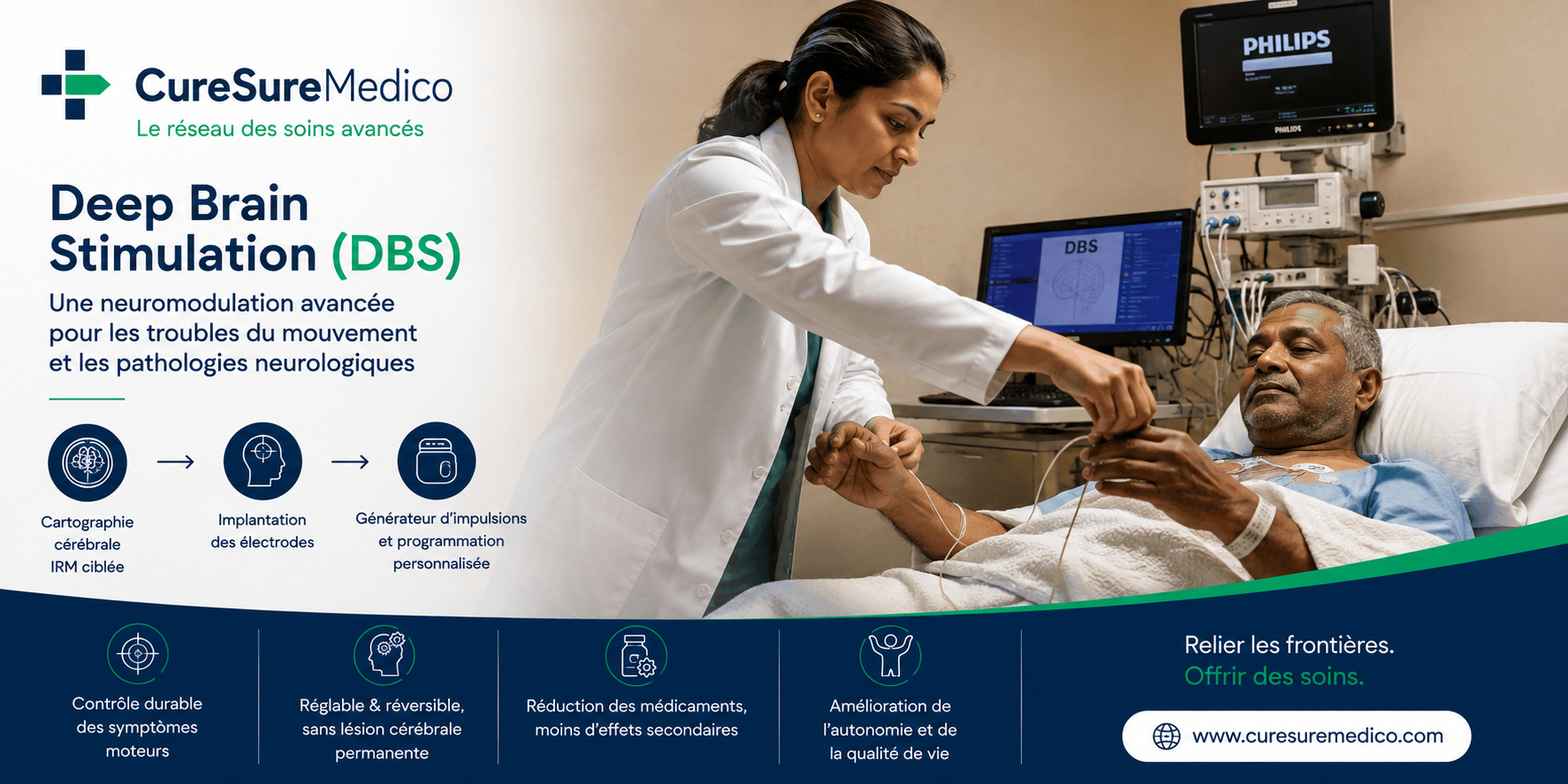
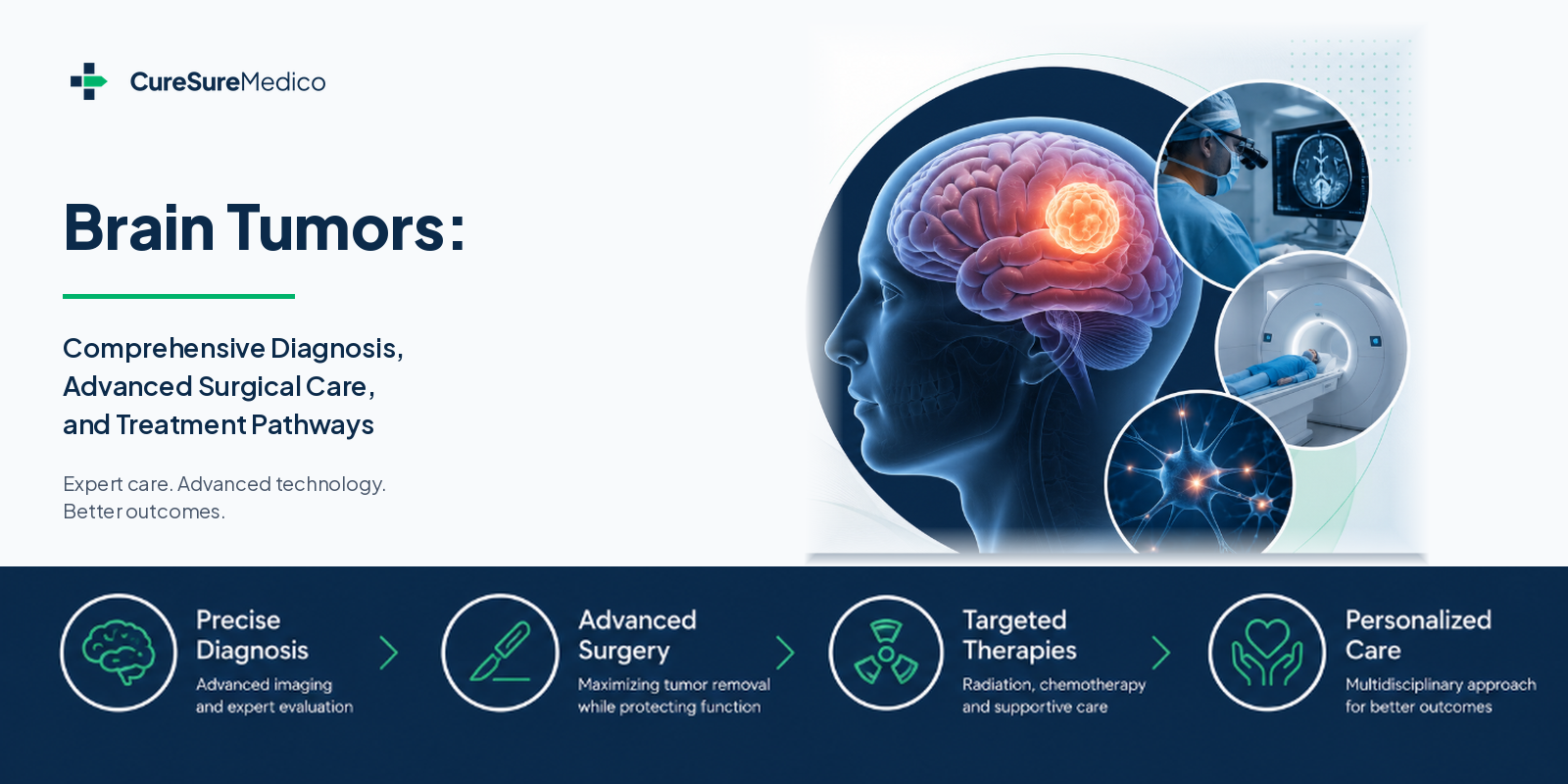
Neurology & Neurosurgery: Brain Tumor Resections, Deep Brain Stimulation (DBS), and Complex Vascular Surgery.
The CAT Safeguard: Avoiding Unguided Medical Travel
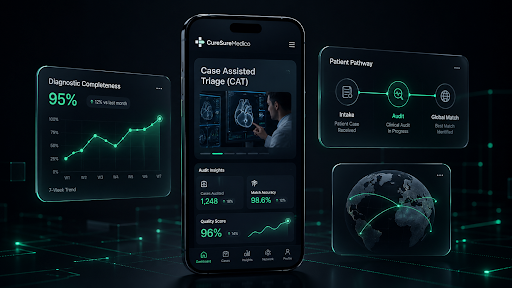
Attempting to organize overseas care independently can lead to inaccurate hospital selection, surprise medical expenses, and broken post-operative care. CureSureMedico deploys the Case Assisted Triage (CAT) protocol to protect families.
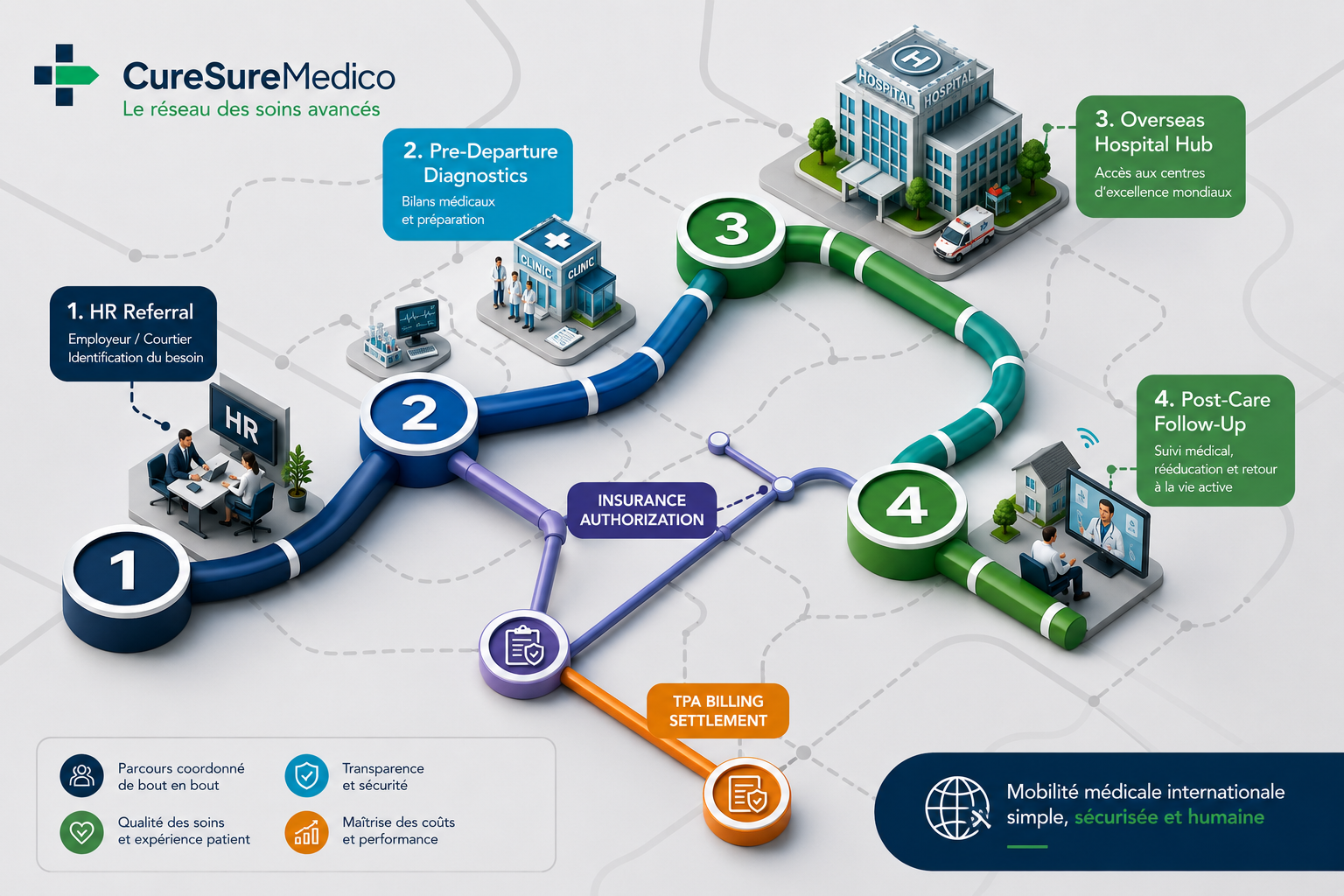
The Case Assisted Triage (CAT) workflow follows four steps:
Local Audit: Medical history and imaging reviewed at our hub.
Re-Triage & Prep: Supplementary local diagnostics ordered if needed.
Multi-Panel Review: Independent evaluation by senior Indian specialists.
Local Re-Entry: Post-op protocols transferred to local physicians.
Why the CAT Protocol Matters
Preventing Unnecessary Travel: Approximately 15% of cases audited are identified as manageable locally or requiring pre-flight medical stabilization, saving families unnecessary travel risks.
Transparent Cost Projections: You receive written treatment plans and clear cost estimates prior to departure.
Local Follow-Up Integration: Your post-discharge protocols are shared directly with your primary care physician at home in Madagascar or Côte d'Ivoire for seamless follow-up care.
Practical Checklist: Clinical & Administrative Documents
Use this checklist to prepare your documentation before departing:
Passport Validity: Ensure all passports (patient and attendant) are valid for at least 6 months beyond the planned stay, with at least 2 blank pages.
Original Medical Dossier: Physical copies of recent X-rays, MRI/CT scans (DICOM format on CD/USB), blood work, and biopsy slides.
Medical Visa (MED) & Attendant Visa (MED-X): Valid Indian Medical Visa issued by the embassy. Planned medical procedures on a standard Tourist Visa are strictly prohibited by Indian immigration laws.
Visa Invitation Letter (VIL): Official invitation letter from the receiving hospital in India (issued via CureSureMedico).
Practical Checklist: Logistical & Financial Readiness
Attendant Support: Travel with at least one healthy adult family member to assist during inpatient stays.
Financial Planning: Have access to international credit/debit cards, wire transfer confirmations, or USD cash (crisp notes issued post-2013 for currency exchange).
Attire & Comfort: Light, breathable cotton clothing for hospital stays, plus button-up shirts for easy dressing post-surgery.
Medication Supply: Bring a 14-day supply of your current regular medications in original labeled packaging along with the prescribing physician's note.
Initiate Your Medical File Review
To request a second opinion or discuss your medical options with our intake team, visit or contact our local coordination offices: the Madagascar Coordination Hub in Ivandry, Antananarivo, or our West Africa Coordination office in Abidjan, Côte d'Ivoire.
Contact a CureSureMedico care coordinator today to request an independent [second opinion](/blog/second-medical-opinion) on your case and begin planning your treatment journey to India.
Frequently Asked Questions
How long will I need to stay in India?
The length of an international medical trip varies substantially by diagnosis, procedure, hospital protocol, recovery and follow-up requirements. CureSureMedico can provide a preliminary coordination estimate, while the treating hospital confirms the clinical stay and when travel is appropriate.
Will there be a language barrier at the hospital?
English is widely used in Indian hospitals, but language availability can vary by clinician and location. CureSureMedico can coordinate language assistance where required, including French, Malagasy, and local dialects, during consultations and administrative processes.
Can I travel without a family attendant?
While not legally impossible, it is strongly discouraged. Having a family member or attendant holds immense practical value during inpatient care, post-operative recovery, and general emotional support.
How are payments handled for the treatment?
Payments are made directly to the hospital via direct bank wire transfer, credit card, or foreign currency exchange at the official hospital finance counter. CureSureMedico ensures full cost transparency with no hidden markups.
What happens when I return home after surgery?
Prior to your departure from India, your complete discharge summary, operative notes, and medication plans are uploaded to our digital platform. Our local teams in Antananarivo or Abidjan can help coordinate communication between the international hospital and your local physician after treatment, where the patient and care teams agree. Clinical follow-up and treatment decisions remain with the treating physicians.