When people prepare for international travel for medical treatment, they usually think about visas, flights, and choosing the right hospital. Few people ask an important question: will my medical scans work when I arrive?
This is one of the most common challenges in cross-border care. An MRI, CT scan, or pathology report completed in one country may not meet the technical or clinical requirements of another hospital. If that happens, doctors may ask for new tests before treatment can begin. This can delay treatment, increase costs, and create unnecessary stress for patients and their families.
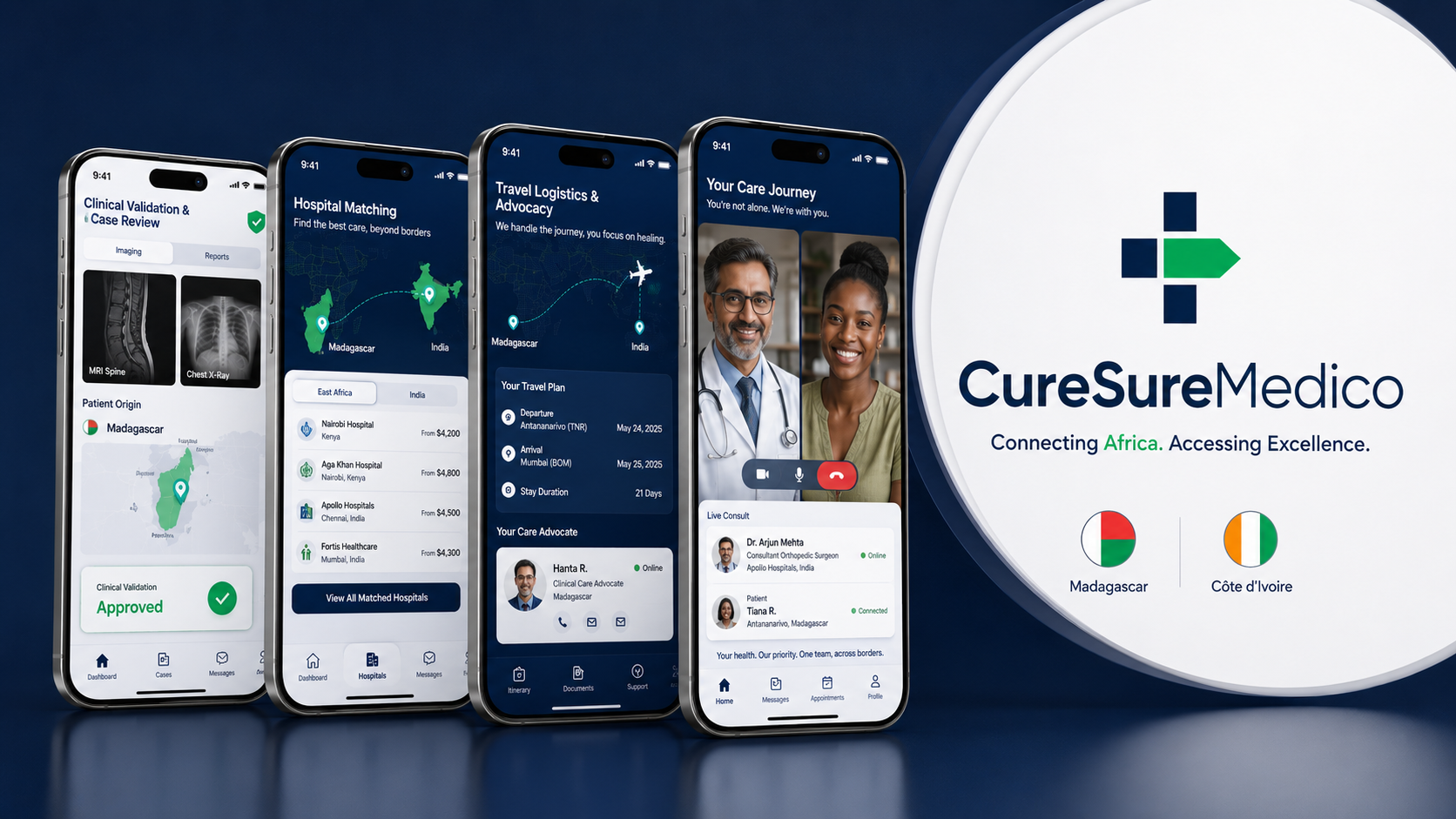
At CureSureMedico, we believe every medical patient should begin treatment with complete and reliable medical information. That is why every case starts with an independent medical review before hospital matching.
Why Medical Scans Sometimes Cannot Be Used Abroad
Many patients believe that every hospital uses the same technology. Unfortunately, that is not always true. Healthcare providers around the world often use different software, imaging standards, and clinical protocols. Because of this, a scan that works perfectly in one country may not work in another. There are three common reasons.
1. The File Format Is Not Compatible
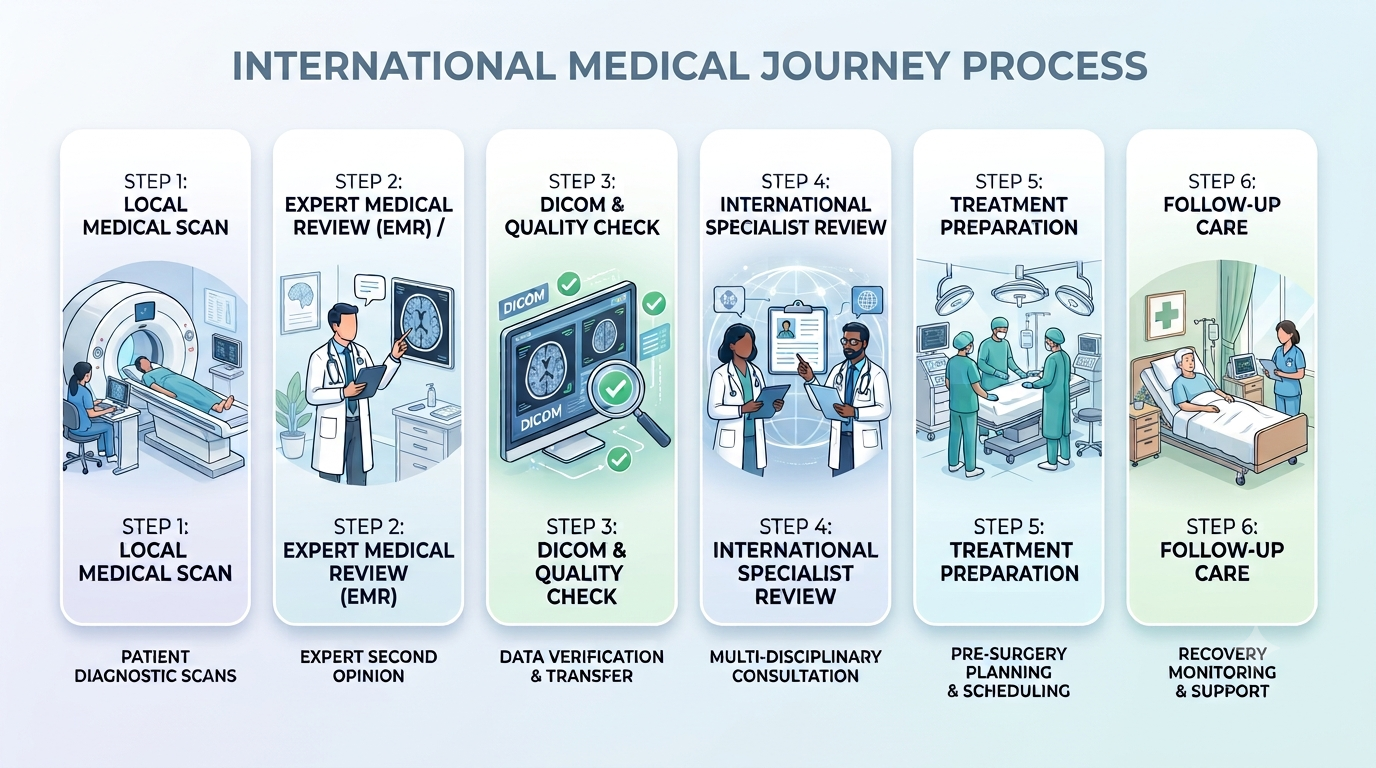
Most international hospitals expect medical images to be saved in the DICOM format. DICOM keeps the image together with important technical information that specialists need to review the scan correctly. Some local clinics save scans as JPEG or PDF files because they are easier to send or require less storage space. These files are useful for viewing images, but they often remove important medical information. When specialists receive these files, they may not be able to use them for diagnosis or treatment planning. As a result, patients may need another scan after arriving abroad.
For many people, an MRI or CT scan is simply another medical document. For specialists, it is one of the most important tools for making treatment decisions. If a hospital cannot open a scan or if the image does not contain enough detail, doctors may not be able to confirm the diagnosis or prepare the right treatment plan, and the patient may need to repeat the examination after arriving abroad. That means more waiting, higher costs, and additional stress for patients and their families. A simple review before travel helps avoid these problems and supports better patient care from the beginning of the medical journey.
2. The Scan Does Not Meet Clinical Requirements
Sometimes the file opens without any problem. However, the image itself may not provide enough detail. For example, a surgeon preparing for cancer treatment may need very thin CT scan slices to plan a complex operation safely. A local clinic may use thicker slices because it follows different clinical standards.
The scan is not incorrect. It simply does not provide the level of detail needed for that specific treatment. Reviewing scan quality before travel helps specialists receive the information they need before the patient arrives.
3. Pathology Files Can Also Create Problems
The same challenge exists with biopsy samples. Some laboratories still use physical glass slides instead of digital files. Others use software that cannot be opened by hospitals in another country. As a result, international specialists may not be able to review the biopsy before the patient travels. This creates unnecessary delays and may postpone treatment. Checking pathology files early helps avoid these problems.
What Happens When These Problems Are Missed?
Without an independent medical review, many of these issues are discovered only after the patient reaches the destination hospital. That creates several avoidable problems: treatment may be delayed while new tests are completed, patients may pay twice for the same examination, repeat imaging may expose patients to unnecessary radiation, families may experience additional stress during an already difficult time, and doctors may need to postpone the treatment plan until complete medical information becomes available.
Many of these situations can be prevented through a careful review before travel begins.
A Better Way to Prepare for Medical Travel
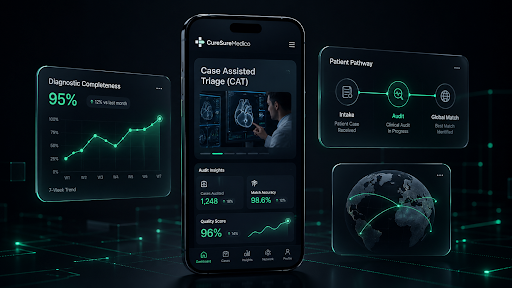
At CureSureMedico, every patient goes through Case Assisted Triage (CAT) before hospital matching. Our medical team carefully reviews all medical information before the patient begins international travel, including medical records, MRI and CT scan files, pathology reports, laboratory results, referral letters, and previous treatment history.
If something is missing or does not meet international standards, we identify the issue immediately. Patients can complete additional tests while they are still at home. This saves valuable time after arrival and helps specialists prepare treatment earlier. It also reduces unnecessary costs and creates a smoother experience throughout the patient's medical journey.
More Than a File Check
Checking medical files is only one part of preparing for international treatment. A successful medical journey also depends on communication, coordination, and support before, during, and after care abroad. Our medical team provides patient advocacy by helping patients understand what international specialists need before treatment begins. If additional tests or documents are required, we explain what is missing and why it matters — patients do not have to guess what steps to take next.
This early review also makes travel logistics easier. When medical documents are ready before departure, patients are less likely to face unexpected delays after arriving at the hospital. Instead of solving problems abroad, we help identify and resolve them before the journey starts.
Preparing Medical Records Before Travel: What Patients Can Do
Patients can take several simple steps to make their medical journey smoother. Before travelling abroad, it is helpful to request complete copies of medical records, ask for original imaging files instead of screenshots or compressed images, keep laboratory results and pathology reports together, confirm that scans can be shared with international specialists, and ask local doctors to provide detailed referral information. These small actions can make a major difference — a well-prepared medical file allows hospitals to focus on treatment instead of searching for missing information.
Good preparation benefits everyone involved in the healthcare process. For patients and families, it creates confidence and reduces uncertainty. For doctors, complete medical information allows faster decision-making, better treatment planning, and improved communication between local doctors and international specialists. This approach also supports continuity of care after treatment: when patients return home, their local doctors can continue follow-up care using complete medical information from the international hospital. Medical treatment does not end when a patient leaves the hospital, and preparing medical information early creates a clearer plan for follow-up care — especially important for patients receiving complex treatments that require long-term monitoring.
Better Medical Data Leads to Better Medical Care
Successful cross-border care begins long before boarding a plane. It starts with complete medical records, reliable diagnostic information, and careful preparation. A scan is not only an image — it is an important part of a patient's story and treatment plan. By checking medical files before travel, healthcare teams can reduce delays, improve communication, and help specialists make better decisions.
At CureSureMedico, our goal is to make every step of the healthcare journey safer and easier to navigate. Whether you are seeking treatment for yourself, supporting a family member, or coordinating care for an employee, preparing medical information early is one of the most important steps toward successful international medical care. Contact a CureSureMedico care coordinator today.