For many patients receiving treatment abroad, the hospital discharge summary feels like the final step. The surgery is complete. The international specialists are satisfied. The patient is ready to return home. But in cross-border care, leaving the hospital is not the end of the journey. The real challenge often begins after the flight home.
Returning to a local healthcare system after international treatment can create several difficulties. Local doctors may not have the full treatment history. Medication plans may need adjustments. Follow-up appointments and rehabilitation may require additional coordination. Without proper continuity of care, even successful treatment can become harder to manage.
For every medical patient, recovery depends not only on the procedure itself but also on what happens after leaving the hospital. International medical care requires more than finding the right specialist. It requires preparation, communication, and support throughout the entire recovery process.
The Challenge After Returning Home
After receiving treatment abroad, patients often move between different healthcare environments. They leave a highly specialized international hospital and return to their local healthcare system, where doctors may not have been involved in the original treatment. This transition can create a gap in communication.
Patients and their families may have questions about medication, rehabilitation, or future appointments. Without proper coordination, important details can be missed. A structured follow-up process helps connect all healthcare professionals involved in the patient's recovery.
1. Medical Information Does Not Always Transfer Smoothly
An international discharge summary contains important details about a patient's treatment. However, these documents can be difficult to understand without additional medical context. Information about surgery, medication changes, rehabilitation requirements, or follow-up recommendations may not always be clear to a local doctor who was not involved in the original procedure.
A proper handover between international specialists and local doctors ensures that everyone understands the patient's situation. This improves communication between different care teams and supports safer recovery. Before treatment even begins, an independent medical review can also help confirm that the patient's medical records are complete and that the treatment plan matches their health needs.
2. Medication and Treatment Plans May Need Adjustment
Healthcare systems are different around the world. Medication names, availability, and regulations can vary between countries. A medicine prescribed by a specialist abroad may not always be available locally. Without proper coordination, patients may experience delays or confusion while continuing their recovery.
A dedicated healthcare coordination team helps connect international specialists with local doctors to identify appropriate solutions. This approach supports better patient care by making sure treatment continues smoothly after the patient returns home.
3. Recovery Problems Can Appear Later
Some complications do not appear immediately after treatment. A patient may feel stable during the journey home but experience new concerns weeks later. For example, recovery after cardiac procedures, orthopedic surgery, or complex treatments often requires regular monitoring.
If local healthcare providers do not have access to complete medical information, identifying and managing these issues can become more difficult. A connected recovery process allows doctors to react faster and provide better support. This is especially important for patients with complex health conditions that require long-term monitoring.
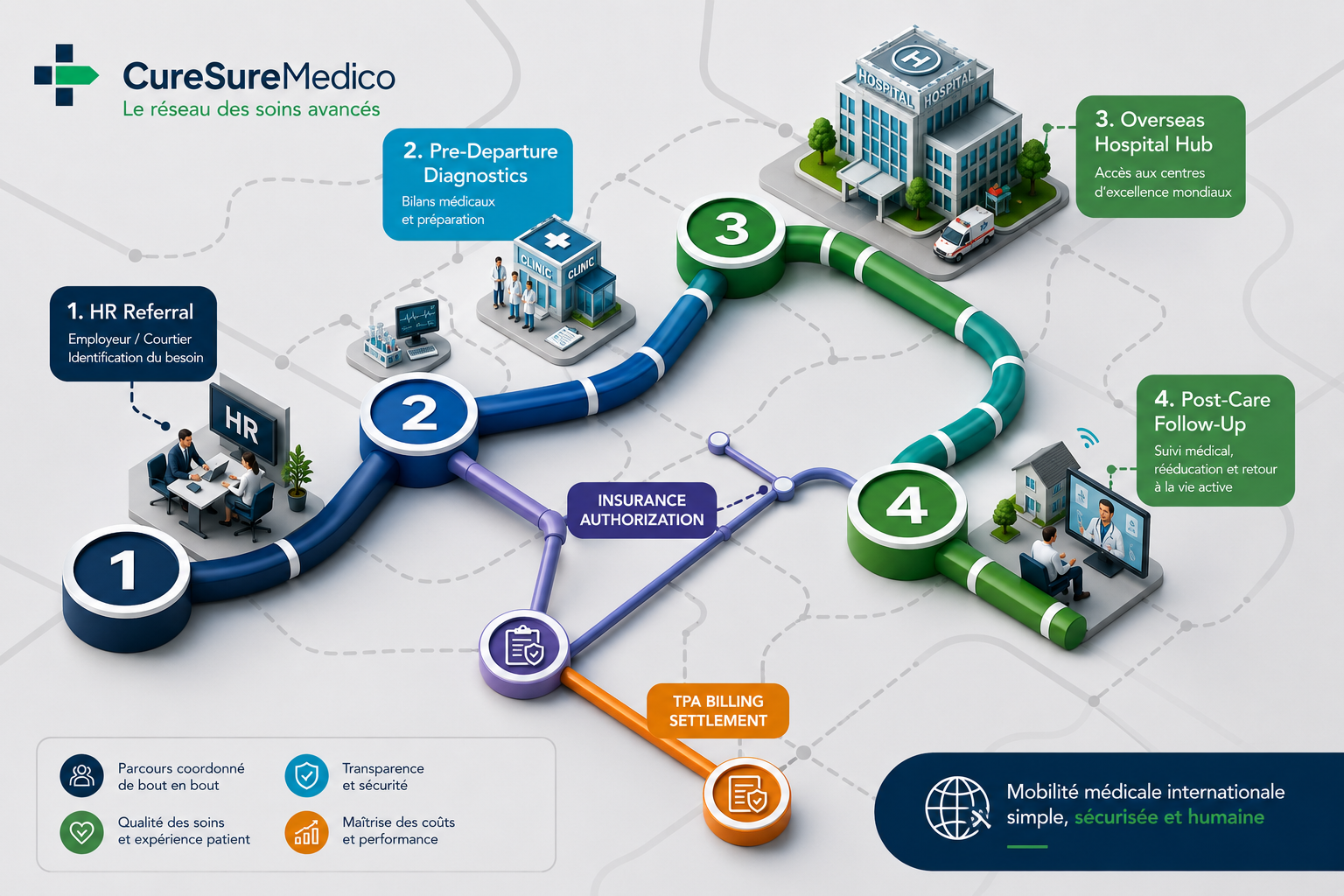
Without structured follow-up: Successful Treatment Abroad → Return Home → Limited Information Sharing → Recovery Challenges. With proper coordination: Successful Treatment Abroad → Return Home → Doctor-to-Doctor Handover → Monitored Recovery. A complete patient journey timeline does not stop after treatment — it includes preparation before travel, hospital care, return travel, and long-term follow-up.
How CureSureMedico Supports Long-Term Recovery
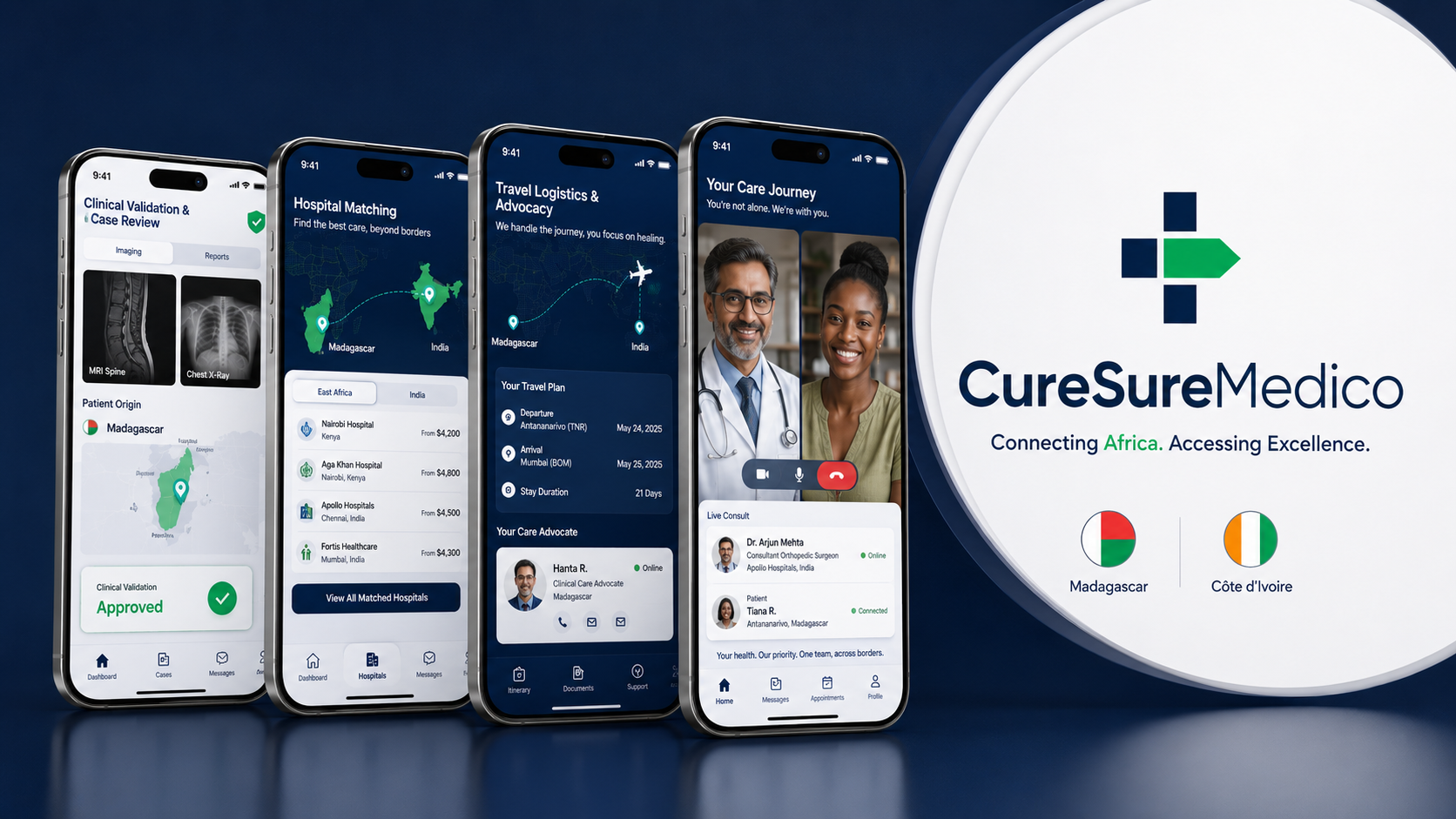
A successful medical journey does not end when a patient leaves the international hospital. At CureSureMedico, post-treatment coordination is part of the complete healthcare journey. Our approach helps maintain communication between international specialists, local doctors, and patients after treatment.
We focus on three important areas:
Clear Handover Between Doctors: Before the patient returns home, important medical information is organized and prepared for the next stage of care, including treatment details, medication requirements, rehabilitation recommendations, future follow-up needs, and updated medical records. A clear handover allows local doctors to understand what happened during treatment and what steps should come next, instead of starting from the beginning.
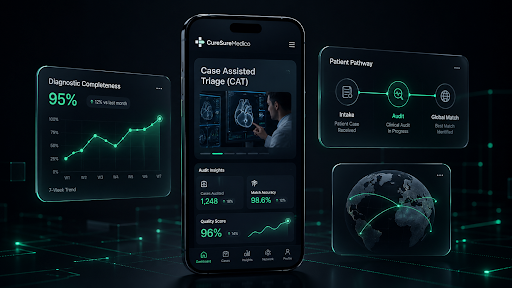
Recovery Monitoring and Patient Support: After complex treatment abroad, patients may need regular follow-up, rehabilitation, and medical guidance. A dedicated coordination team helps monitor important recovery steps and supports communication when questions appear. This proactive approach helps identify concerns earlier, reduces the risk of avoidable complications, and reassures patients and families who may feel uncertain after returning home.
Coordinated Local Follow-Up: Recovery often involves several healthcare services, including physical therapy, medical check-ups, laboratory testing, wound care, and specialist consultations. Good coordination ensures these services continue after the patient returns home, maintaining the same level of attention and quality throughout the recovery process.

The Role of Communication After Treatment
Recovery does not happen in isolation. After returning home, patients need clear communication between everyone involved in their care — international specialists, local doctors, rehabilitation teams, and family members all have an important role. Secure sharing of medical information helps healthcare providers make better decisions and respond faster when new concerns appear. A connected approach creates a safer recovery experience and supports better health outcomes over the long term.
Supporting Companies and Employees After Medical Travel
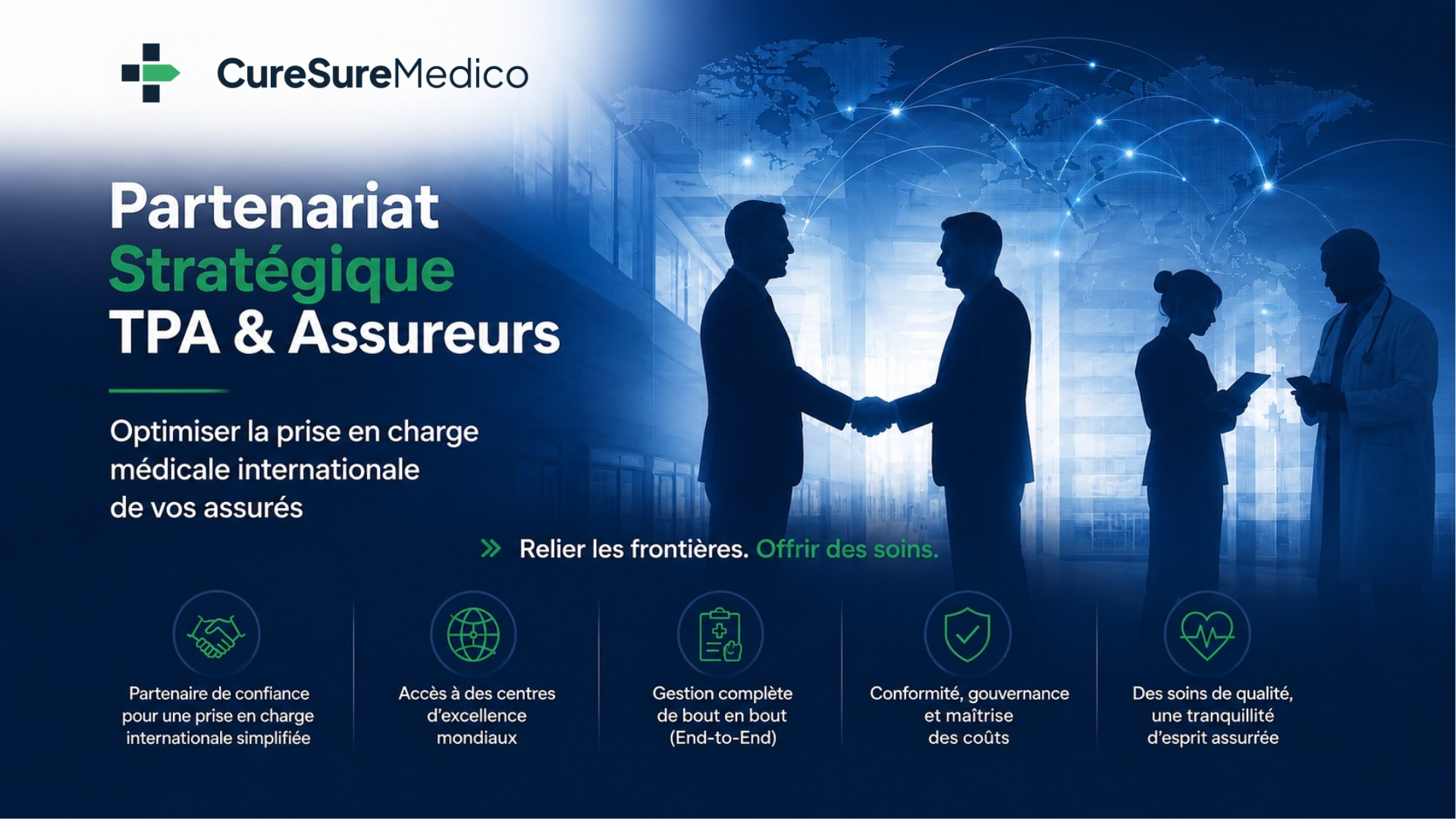
For companies supporting employees who receive treatment abroad, continuity after discharge is also a strategic concern. A structured follow-up process helps reduce uncertainty after medical leave. HR teams and insurance companies do not need to manage complex medical decisions or coordinate every step of the recovery process.
Instead, they receive clear updates while healthcare professionals manage communication and follow-up. This reduces administrative pressure and helps employees return to work safely. For organizations managing employees across different countries, having a reliable healthcare pathway is essential.

Beyond Travel Logistics: Building a Complete Recovery Pathway
Many people think international medical travel ends once the patient reaches the destination hospital. In reality, the journey includes much more. From the first medical assessment to recovery at home, every stage requires coordination. Good travel logistics are important, but they are only one part of successful care.
A complete approach includes medical assessment before treatment, hospital coordination, secure transfer of medical information, recovery monitoring, and long-term follow-up. This ensures that patients receive continuous support throughout their entire healthcare journey.
A Complete Medical Journey Does Not End at Discharge
Successful international treatment is not only about finding the right hospital or specialist. It is about supporting the patient from the first consultation until they safely return to normal life. A complete medical journey includes preparation, treatment, return travel, and continued care. Through proper coordination, communication, and support, patients can recover with greater confidence.
At CureSureMedico, our goal is to make every step of the healthcare journey safer and easier to navigate. By combining clinical coordination, patient support, and structured follow-up, we help create a smoother transition between international treatment and local recovery. The goal of medical care is not only a successful procedure — it is helping every patient achieve a safe recovery with the right support at every stage. Whether you are a patient, a family member, or an organization supporting employees, continuity after treatment is one of the most important parts of successful cross-border care.