CAR-T (Chimeric Antigen Receptor T-cell) therapy is a form of cellular immunotherapy that modifies a patient's own T-cells to recognize and attack specific cancer cells. It is currently approved for a defined set of relapsed or treatment-resistant blood cancers, and is being studied in clinical trials for other cancers, including some solid tumors. Whether a specific patient is eligible depends on cancer type and subtype, prior treatments, and a detailed specialist evaluation — it is not a first-line or universal cancer treatment.
For decades, standard oncological care has relied on surgery, radiation therapy, and systemic chemotherapy. These remain essential, but they can be less effective for cancers that have relapsed or stopped responding to treatment. Modern cellular immunotherapy — including CAR-T — has expanded the options available for some of these patients.
In an in-depth conversation hosted by the Stanford Department of Medicine, physician-scientist Dr. Crystal Mackall shares insights into the evolution, mechanisms, clinical indications, and ongoing research into cell therapy.
Watch Expert Insights on CAR-T Cell Therapy
Watch Dr. Crystal Mackall, Founding Director of the Stanford Center for Cancer Cell Therapy, explain the evolution and current research into CAR-T cell therapy in detail below:
Source: Stanford Department of Medicine — conversation with Dr. Crystal Mackall on CAR-T cell therapy.
What Is CAR-T Cell Therapy?
Chimeric Antigen Receptor T-cell (CAR-T) therapy is a form of cellular immunotherapy that modifies a patient's own T-cells—part of the immune system's defenses—to target specific proteins found on cancer cells.
Under normal physiological conditions, the immune system often struggles to recognize cancer because malignant cells originate from native tissue and employ immune-evasion tactics.
In CAR-T therapy:
Patient T-Cells Extracted: T-cells are extracted from the patient's blood via leukapheresis.
Genetically Engineered with CAR Target Receptor: In a specialized laboratory, a synthetic receptor (the Chimeric Antigen Receptor) is genetically inserted into the T-cells, acting as a bio-guided homing mechanism that enables T-cells to lock onto tumor antigens independently of major histocompatibility complex (MHC) presentation.
Cell Expansion & Re-infusion into Patient: The newly engineered CAR-T cells are expanded into the millions and re-infused into the patient's bloodstream.
Targeted Cytotoxic Destruction of Cancer Cells: Once in the bloodstream, the engineered CAR-T cells locate and attack cancer cells expressing the target antigen.
On the Future of Biologics: — I believe that the future of medicine is going to lean even more heavily towards biologics... We give them the treatment, they go from wheelchair to cane to being able to walk. — Dr. Crystal Mackall
Who May Be Considered for CAR-T Therapy?
Eligibility for CAR-T therapy is highly specific to the individual patient. It depends on the exact cancer diagnosis and subtype, disease stage, prior lines of treatment, whether the tumor expresses the relevant target antigen, overall organ function, and a specialist's assessment of expected risks versus benefits. Only a hematologist-oncologist or cellular therapy specialist can determine whether a specific patient qualifies.
FDA-approved CAR-T products are currently authorized for defined, relapsed, or treatment-resistant blood cancers, generally after other standard treatments have been tried:
Relapsed / Refractory B-cell Acute Lymphoblastic Leukemia (ALL): An approved use, with high response rates reported in children and young adults.
Diffuse Large B-cell Lymphoma (DLBCL) & Other Non-Hodgkin Lymphomas: An approved use for patients who have not responded to, or have relapsed after, standard systemic therapies.
Multiple Myeloma: An approved use for certain patients, utilizing CAR-T products targeted against B-cell maturation antigen (BCMA).
Investigational Use in Solid & Central Nervous System (CNS) Tumors: Not yet an approved treatment. Researchers at Stanford and other centers, including Dr. Mackall, are running clinical trials targeting GD2 antigens in high-grade CNS tumors such as Diffuse Midline Glioma (DMG/DIPG) and neuroblastoma. Reported improvements come from individual trial cases, not established outcomes, and eligibility is limited to specific trial protocols.
What Are the Alternatives to CAR-T?
CAR-T is one of several options for relapsed or treatment-resistant blood cancers, not a default next step. Depending on the diagnosis, a specialist may also consider other systemic or targeted therapies, immunotherapy, bispecific antibodies, stem cell or bone marrow transplant, other cellular therapies, disease-specific salvage regimens, or enrollment in a clinical trial. A hematology-oncology team typically compares these options against CAR-T based on the specific diagnosis, prior treatment history, and treatment goals.
Treatment Comparison: CAR-T Therapy vs. Traditional Treatment
| Clinical Feature | Traditional Chemotherapy / Radiation | CAR-T Cell Therapy |
|---|---|---|
| Mechanism of Action | Broadly targets rapidly dividing cells throughout the body. | Genetically modified T-cells target a specific antigen on cancer cells. |
| Treatment Schedule | Multiple cycles spread over months or years, depending on the regimen. | Individualized; typically a single infusion following cell manufacturing and short conditioning chemotherapy. |
| Persistence | Clears from the body within hours or days. | Engineered T-cells may persist and proliferate within the body for months or years in some patients. |
| Major Risks | Depends on the regimen — may include alopecia, nausea, bone marrow suppression, or fatigue. | Cytokine Release Syndrome (CRS), immune effector cell-associated neurotoxicity (ICANS), infections, and cytopenias. |
| Eligibility | Depends on diagnosis, stage, and overall health. | Highly specific — depends on cancer subtype, antigen expression, prior therapy, and product approval status. |
Diagnostic Workup: Key Pre-Treatment Evaluations
Before undergoing CAR-T cell therapy, patients complete a comprehensive multidisciplinary diagnostic workup to confirm safety and eligibility:
Antigen Mapping & Biopsy Analysis: Verification that the tumor expresses the target antigen (e.g., CD19, BCMA, or GD2).
Advanced Cross-Sectional Imaging: High-resolution PET-CT and MRI scans to assess disease burden, baseline anatomical structures, and CNS involvement.
Organ Function Profiling: Comprehensive baseline evaluations including echocardiograms (cardiac ejection fraction), pulmonary function testing, and renal/hepatic blood panels.
Baseline Neurological Assessment: Comprehensive testing to establish a baseline for post-infusion neurotoxicity monitoring.
Step-by-Step Procedure & Recovery Process
Cell Collection (Leukapheresis): Blood is drawn, and mononuclear T-cells are separated via an automated blood-filtering process before remaining blood components are returned to the patient.
Genetic Engineering & Manufacturing: The harvested T-cells are sent to a specialized cell manufacturing facility where viral vectors (or non-viral systems) insert the CAR gene. This manufacturing process typically takes 2 to 4 weeks, though timelines vary by product and manufacturing center.
Lymphodepleting Conditioning: A short regimen of low-dose chemotherapy (commonly around 3 days) is administered to create an environment that supports CAR-T cell expansion.
Cell Infusion: The engineered CAR-T cells are infused intravenously into the patient.
Inpatient Monitoring & Recovery: Patients are monitored closely by specialized oncology teams for early signs of Cytokine Release Syndrome (CRS) or transient neurotoxicity, allowing prompt intervention with targeted anti-cytokine therapies when required. Total time from initial cell collection to completed monitoring commonly spans several weeks to a couple of months, but varies by patient, product, and treatment center.
Primary Benefits
Targeted Mechanism: CAR-T cells are engineered to target a specific antigen on cancer cells, rather than broadly attacking rapidly dividing cells as with chemotherapy — though healthy cells that also express the target antigen can still be affected (see On-Target/Off-Tumor Effects below).
Potential for Long-Term Immune Surveillance: In some patients, engineered T-cells can persist in the bloodstream for extended periods, which researchers believe may help reduce the chance of disease recurrence.
Investigational Outcomes in Clinical Trials: In early-phase clinical trials for pediatric CNS and solid tumors, some individual patients have shown improvements in neurological or motor function. These are reported trial observations, not an established or guaranteed outcome of CAR-T therapy generally.
Potential Risks & Side Effects
Cytokine Release Syndrome (CRS): Systemic inflammatory response triggered by T-cell activation, causing fever, fluctuating blood pressure, or respiratory changes.
Neurotoxicity (ICANS): Temporary confusion, language difficulty, or motor impairment that typically resolves with treatment.
On-Target / Off-Tumor Effects & B-cell Aplasia: Because the target antigen can also be present on some healthy cells, CAR-T therapy can deplete healthy immune cells alongside cancer cells — for example, healthy B-cells in CD19-targeted therapies — which is managed with supportive antibody therapies (e.g., IVIG).
Key Insights from Dr. Crystal Mackall
On the Centrality of T-Cells: — If you're interested in cancer, it has always been the T-cell... T-cell responses are where the action has been. — Dr. Crystal Mackall
On Access and Affordability: — Only 20% of patients in the United States who could benefit from CAR-19s receive it, because it is so expensive and difficult to deliver... This is a monkey on our back until we make it more affordable. — Dr. Crystal Mackall
On Early Trial Observations in Children: — We had several patients who either couldn't walk or came in in wheelchairs... and you give them the treatment and gradually see the ability to move the legs come back. These are literally kids who were wheelchair-bound who are now walking. — Dr. Crystal Mackall, describing outcomes observed in an early-phase pediatric clinical trial
How Much Does CAR-T Therapy Cost?
CAR-T treatment costs vary widely depending on the specific product, the country and hospital, the length of hospitalization required for monitoring, and whether complications such as CRS or ICANS require extended care. Because manufacturing is individualized to each patient, costs cannot be quoted as a single fixed figure before a full case review. Broadly, CAR-T treatment costs and hospital options at CureSureMedico's partner hospitals span a wide range depending on the diagnosis, product, and treatment center — an individualized estimate is only possible after your medical records and eligibility have been reviewed.
International Medical Care with CureSureMedico
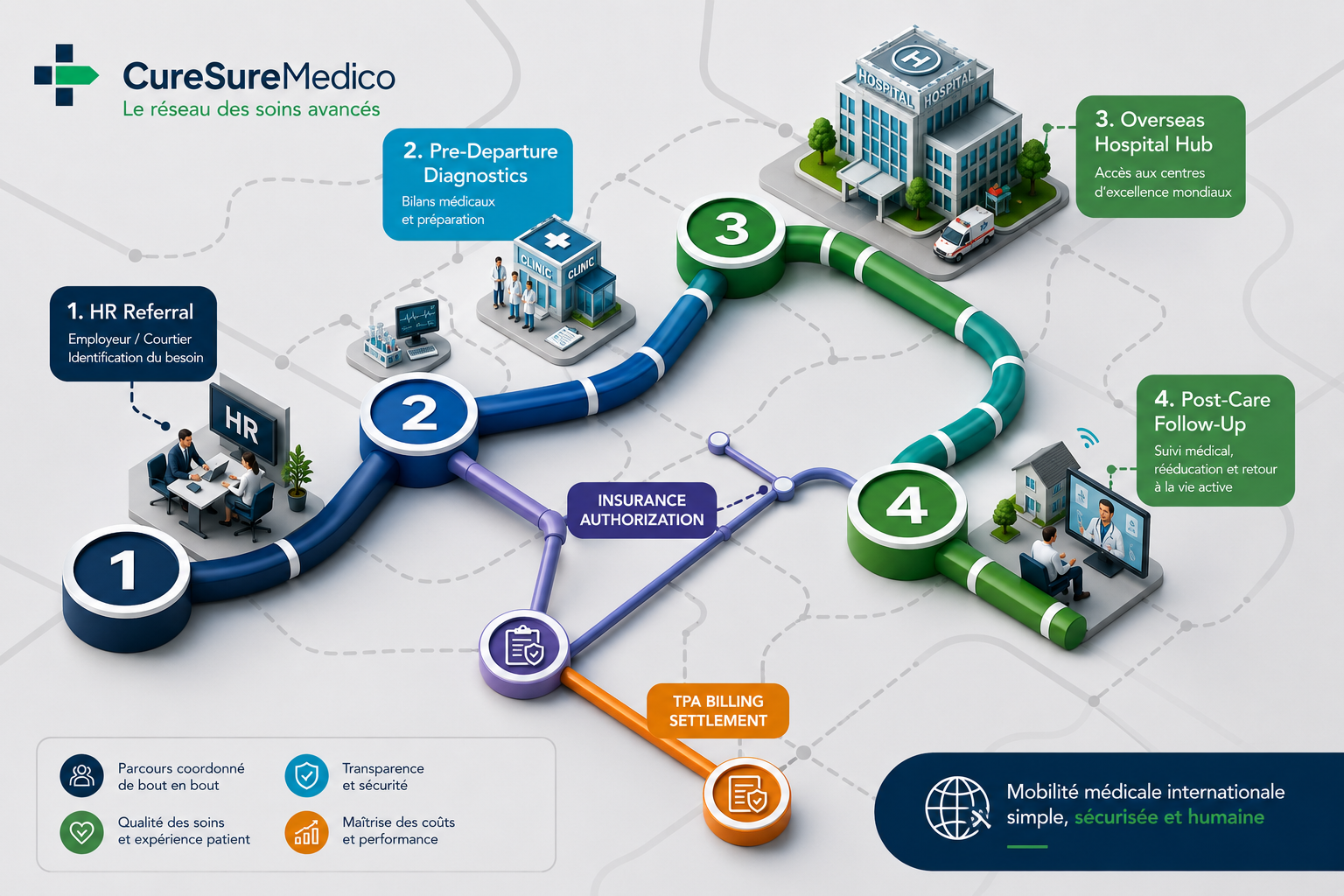
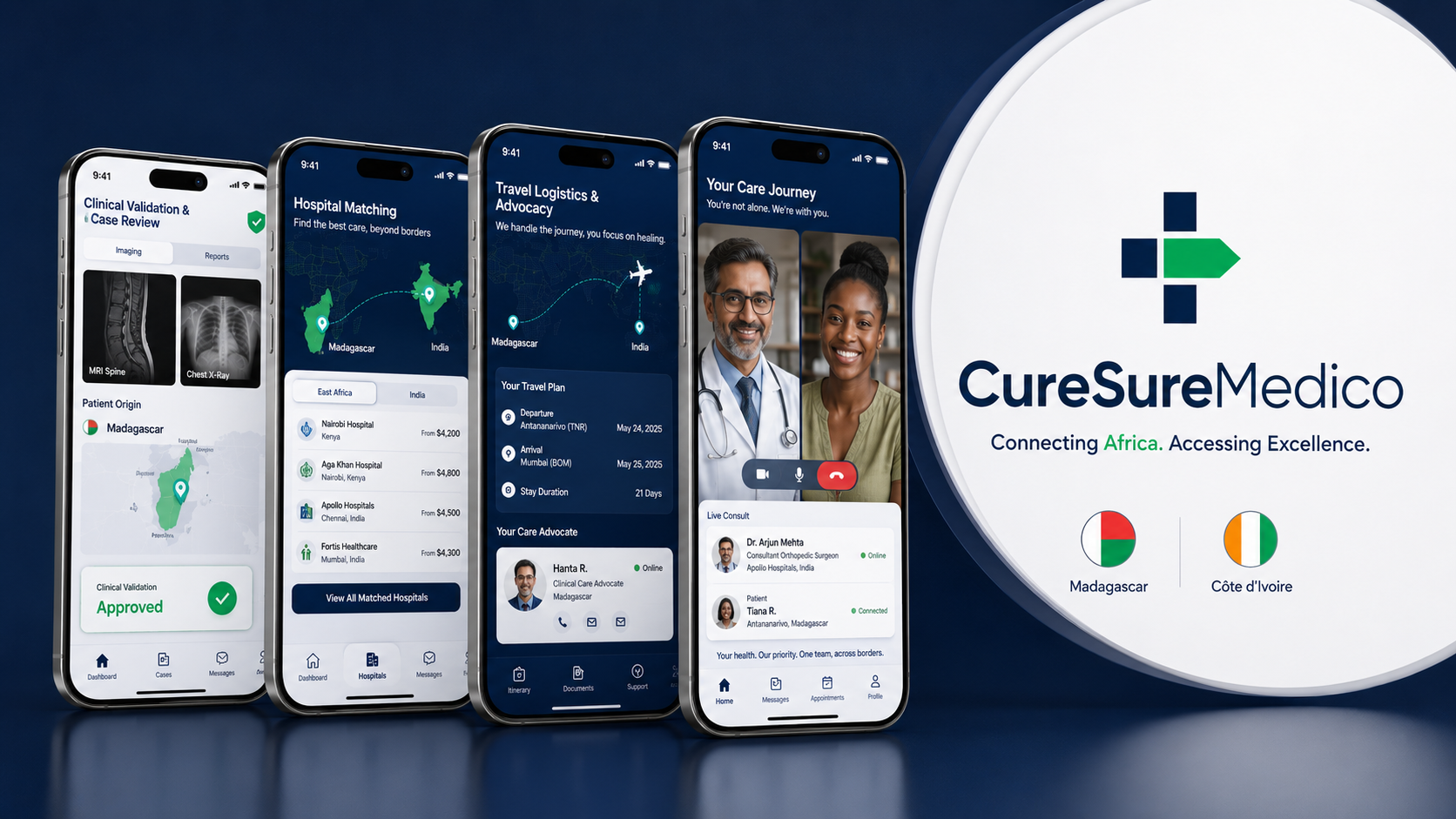
Navigating specialized cell therapies across borders requires expert clinical oversight, institutional access, and logistics coordination. CureSureMedico connects patients from Africa and around the world with international cancer centers offering CAR-T Cell Therapy:
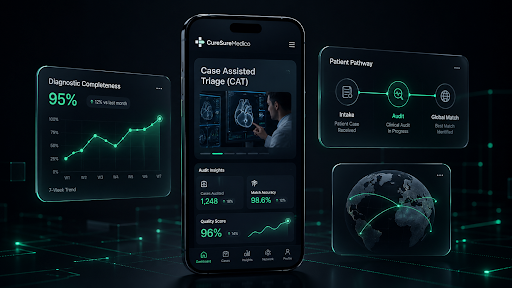
Pre-Travel Clinical Evaluation: Preliminary review of medical records, scans, and tissue biopsy slides by international cellular therapy experts as part of Case Assisted Triage.
Global Second Opinions: Multidisciplinary case consultations to help determine eligibility for approved CAR-T therapies or active clinical trials.
Hospital & Specialist Coordination: Seamless scheduling with accredited medical centers and pediatric or adult cellular therapy units.
Comprehensive Travel Logistics: End-to-end support with medical visa facilitation, emergency travel arrangements, translation services, and family accommodations.
Post-Treatment Continuity of Care: Structured transition plans and direct communication with home physicians in Africa to oversee recovery and long-term follow-up.
Considering CAR-T Cell Therapy?
If you or a loved one is facing a relapsed or treatment-resistant blood cancer, or a solid tumor being studied in active CAR-T clinical trials, CureSureMedico can help you access an independent oncology review to discuss whether CAR-T or another treatment path may be appropriate, and coordinate a pathway to specialized cell therapy centers.
Start with a clinical review — contact a CureSureMedico care coordinator today to evaluate your eligibility for CAR-T cell therapy and discuss your treatment options.
Frequently Asked Questions
Is CAR-T cell therapy suitable for all types of cancer?
No. CAR-T cell therapy is currently FDA-approved only for specific relapsed or treatment-resistant blood cancers, including certain types of B-cell acute lymphoblastic leukemia, diffuse large B-cell lymphoma, and multiple myeloma. Its use in solid tumors and CNS cancers remains investigational and is only available through clinical trials.
How long does the CAR-T treatment process take from start to finish?
Timelines vary by patient, product, and treatment center. Leukapheresis typically takes a single day, followed by roughly 2 to 4 weeks of laboratory manufacturing. Infusion is followed by a period of inpatient monitoring, commonly 1 to 2 weeks, though total time from evaluation to full recovery can extend well beyond that depending on individual response.
What makes CAR-T cell therapy different from standard chemotherapy?
Chemotherapy relies on systemic chemical agents that target rapidly dividing cells, affecting both healthy and cancerous tissues. CAR-T therapy uses genetically engineered immune cells to recognize a specific molecular target on cancer cells, though it carries its own distinct risks, including CRS and neurotoxicity.
Can children receive CAR-T cell therapy safely?
CAR-T therapy was first approved for pediatric patients with relapsed or refractory B-cell acute lymphoblastic leukemia, and a pediatric hematology-oncology team evaluates each child's eligibility individually. Separately, ongoing clinical trials — such as those led by Dr. Mackall at Stanford — are studying investigational CAR-T approaches for pediatric brain and spinal cord tumors under dedicated trial protocols.
How can international patients access CAR-T therapy abroad?
International patients can consult with specialized medical coordinators at CureSureMedico. The clinical team manages medical record transfers, expert preliminary assessments, hospital bookings, and complete travel logistics for care overseas.