Every year, medical teams around the world achieve remarkable breakthroughs that give patients and their families new hope. One recent success came from Indraprastha Apollo Hospitals in New Delhi, India, where doctors performed India's first pediatric twin liver transplant.
The operation saved the lives of 23-month-old identical twins, Tyler and Kelly, who traveled from the Philippines to receive specialized medical care. Their story highlights how expert planning, experienced surgeons, and well-organized cross-border care can make a life-changing difference for children facing rare medical conditions.
For families considering international travel for treatment, this case also shows why careful preparation, an independent medical review, and a structured patient journey timeline are essential before leaving home.
A Rare Medical Condition
Tyler and Kelly were born prematurely. Only a few weeks after birth, their parents noticed persistent jaundice and unusually pale stools. Doctors later diagnosed both boys with Choledochal Cyst Type IVA, a rare condition that affects the bile ducts.
The disease blocks the normal flow of bile from the liver. Over time, this can damage the liver and eventually lead to liver failure if it is not treated. The condition itself is uncommon, affecting around one child in every 100,000 births. Only a small percentage of these children will ever need a liver transplant. Having identical twins develop severe liver failure at the same time is even more unusual.
Before arriving in India, both boys became much sicker. They struggled to gain weight, developed swollen abdomens because of fluid build-up, and experienced repeated episodes of internal bleeding. Their doctors knew they needed advanced treatment as soon as possible.
Finding the Right Treatment
Treating both children at the same time required careful planning. The medical team first completed an independent medical review of both cases. They reviewed the twins' medical records, confirmed the diagnosis, and created a treatment plan before surgery began.
Finding suitable living donors was the next challenge. Both parents immediately volunteered to donate part of their liver. After medical testing, doctors found that the twins' father, Wilson, could not safely become a donor. Instead of giving up, the family quickly found another solution.
This remarkable family effort made both transplants possible:
Mother: Daisy Ann donated about 20% of her liver to one twin.
Maternal uncle: Donated 20% of his liver to the second twin.
Father: Wilson focused on supporting the family during recovery and caring for everyone after surgery.
Two Complex Operations
The transplant program was led by Dr. Anupam Sibal, Group Medical Director, together with Dr. Neerav Goyal, Head of Liver Transplant Surgery.
Rather than performing both operations on the same day, the surgical team completed them one week apart, finishing the second transplant on June 3, 2026. The first surgery lasted more than 15 hours, and the second lasted about 13 hours.
Because Tyler and Kelly are identical twins, their internal body structure is almost the same. What the surgeons learned during Tyler's operation helped them prepare more efficiently for Kelly's surgery, allowing the second procedure to move faster while maintaining the same high standard of care.
Recovery and Hope
Today, both boys are recovering well. Their new livers are working properly, and doctors expect them to continue improving over the coming months.
One of the most remarkable characteristics of the liver is its ability to grow back naturally. The donated liver sections inside the twins will gradually grow as the children grow. At the same time, the remaining liver tissue in both donors will also recover over the following months.
The boys will continue taking medication to protect their transplanted livers. With regular follow-up appointments and good continuity of care, doctors expect them to enjoy healthy and active lives.
Why This Case Matters for International Patients
This remarkable case is more than a medical success story. It also shows what is possible when families have access to experienced specialists, modern hospitals, and a well-planned medical journey.
Many patients believe that traveling abroad for treatment only means choosing a hospital and booking a flight. In reality, successful cross-border care begins long before the patient leaves home. Every step must be carefully planned, from reviewing medical records to organizing travel logistics and preparing the hospital team.
A clear patient journey timeline helps patients and their families understand what happens before, during, and after treatment. It also reduces stress because everyone knows what to expect at each stage.
Why Preparation Makes the Difference
Before a patient travels, experienced doctors should complete an independent medical review. This review confirms the diagnosis, checks whether all required tests have been completed, and determines if international treatment is truly the best option. In some situations, patients can receive excellent medical care close to home, making travel unnecessary.
When travel is needed, the review also helps specialists prepare the right treatment plan before the patient arrives. This process improves communication between doctors in different health systems and reduces delays after arrival.
Good preparation means:
Medical records: Complete and organized medical records.
Treatment plan: A confirmed treatment plan.
Travel logistics: Coordinated travel logistics.
Care coordination: Communication between all care teams.
Family support: Clear information for patients and their families.
Affordable World-Class Healthcare
This case also highlights why India has become one of the world's leading destinations for specialized healthcare.
In countries such as the United States, similar pediatric liver transplants can cost several hundred thousand dollars. For many families, those costs are simply too high.
At Indraprastha Apollo Hospitals, the total cost for each transplant ranged from Rs 18 lakh to Rs 25 lakh (approximately USD $21,500–30,000).
The featured case was treated by the specialist transplant team at Indraprastha Apollo Hospitals. Hospital capabilities, clinical expertise, and costs vary by institution and individual case.
The Value of Long-Term Follow-Up
Surgery is only one part of recovery. The weeks and months after the operation are just as important.
Long-term continuity of care allows doctors to monitor recovery, adjust medications when necessary, and respond quickly if new concerns appear.
A dedicated patient advocate can also help families keep track of follow-up appointments, communicate with specialists, and organize local health services after returning home.
Connecting Families with Trusted Care
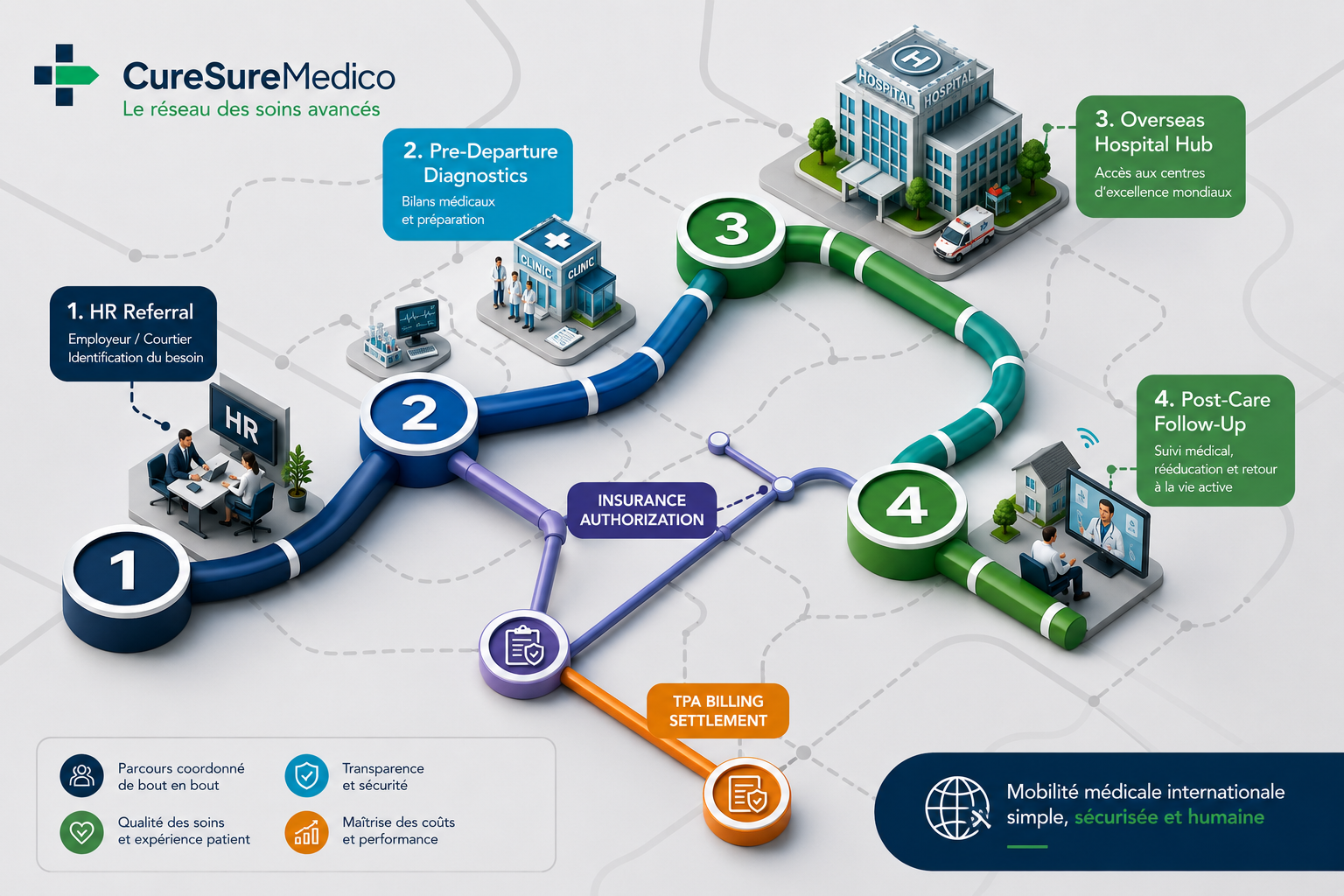
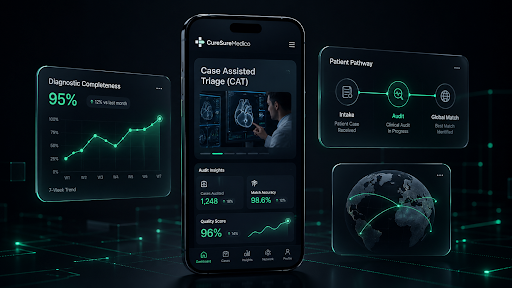
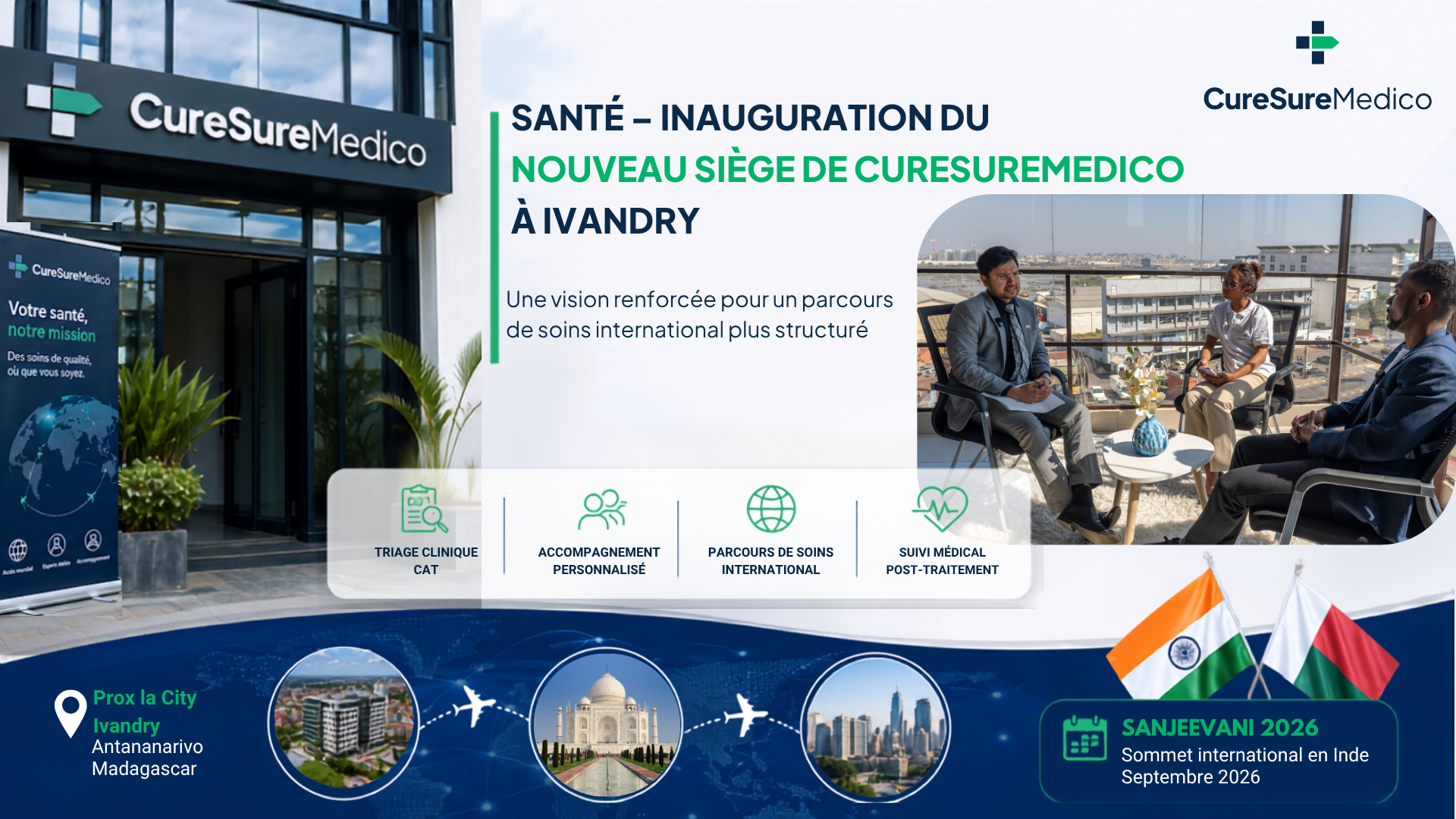
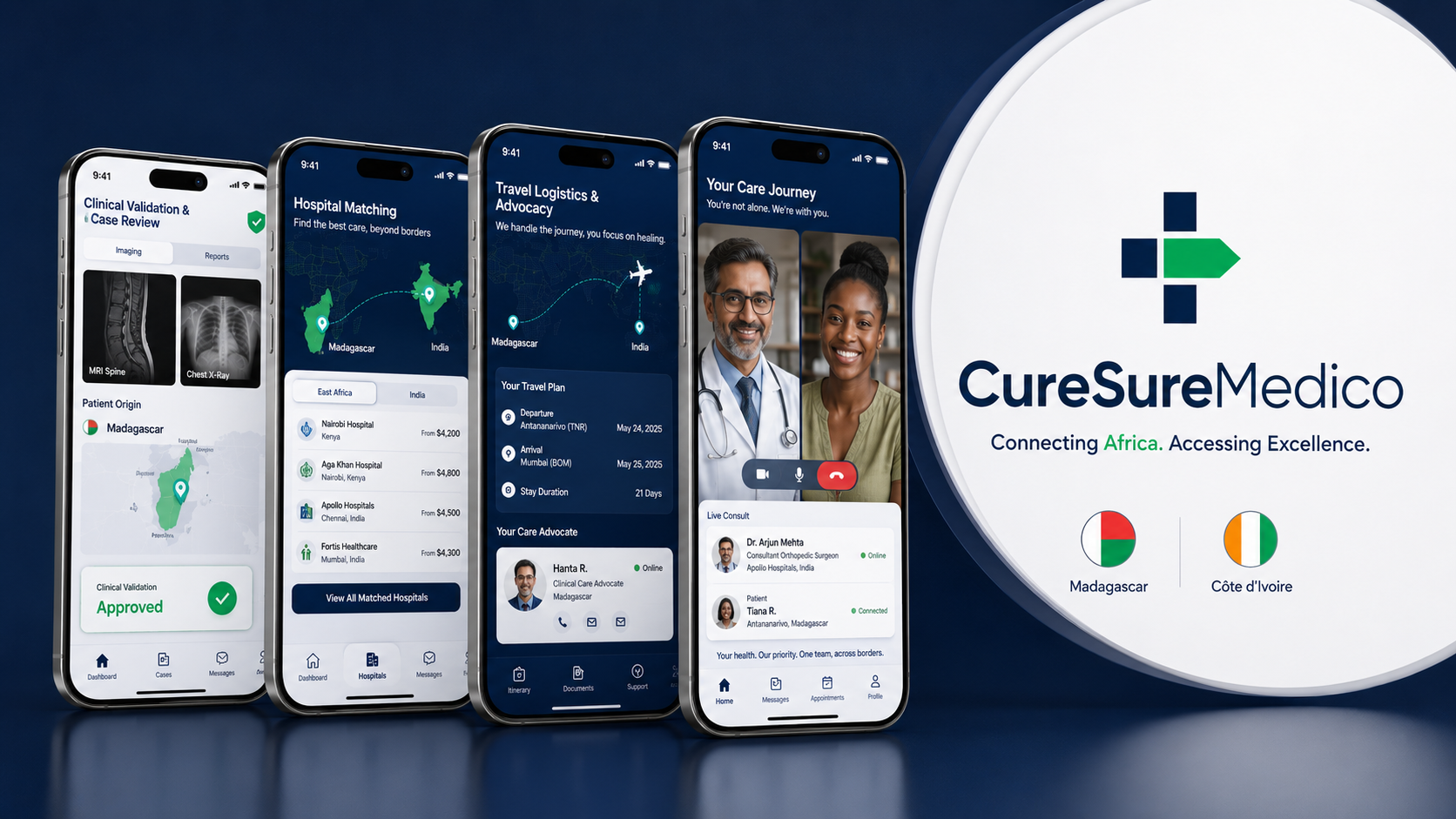
At CureSureMedico, we believe that every patient deserves access to safe, transparent, and well-organized healthcare. Our role goes beyond hospital referrals — we coordinate the entire healthcare journey, beginning with an independent medical review, followed by hospital matching, travel logistics, and continued support after treatment. We also encourage close collaboration between international specialists and local care teams to make sure every medical patient receives the right care at every stage.
Need a specialized international medical opinion? Learn more about our vetted hospital network and global clinical triage ecosystem by visiting the CureSureMedico Indraprastha Apollo Hub
Whether someone needs a second opinion, complex surgery, or another form of specialized treatment, our goal is always the same: connect patients with trusted hospitals while making the experience easier for patients and their families. Contact a CureSureMedico care coordinator today to explore your options.