Many companies now include international medical travel in their employee health benefits, but most programs stop at emergency evacuation, hospital admission, and insurance approval — only the beginning of the patient's journey.
Real success depends on what happens before treatment, during recovery, and after the employee returns home. Without strong clinical governance, costs rise, recovery slows, and outcomes suffer.
A structured medical journey protects employees while giving employers better control over healthcare spending.
What Is Clinical Governance?
Clinical governance is a framework that helps healthcare organizations deliver safe, effective, and high-quality patient care. In international medical travel, it connects every stage of the patient's journey — medical assessment, hospital selection, travel planning, treatment, follow-up care, and return-to-work planning — into one coordinated medical journey instead of separate, disconnected steps.
Why Do Employers Need Clinical Governance?
International treatment involves more than booking a hospital. Employees often receive care in another country, recover at home, and continue treatment with local physicians.
Without clear coordination, problems can appear after discharge: delayed follow-up, poor communication between doctors, repeated medical tests, interrupted treatment, unnecessary travel, and higher healthcare costs. A structured approach reduces these risks.
Independent Medical Review
Every case should begin with a clinical assessment. An independent medical review confirms the diagnosis, evaluates treatment options, and helps identify the most appropriate hospital, allowing employers and insurers to make informed decisions before treatment begins.
Coordinated Medical Journey
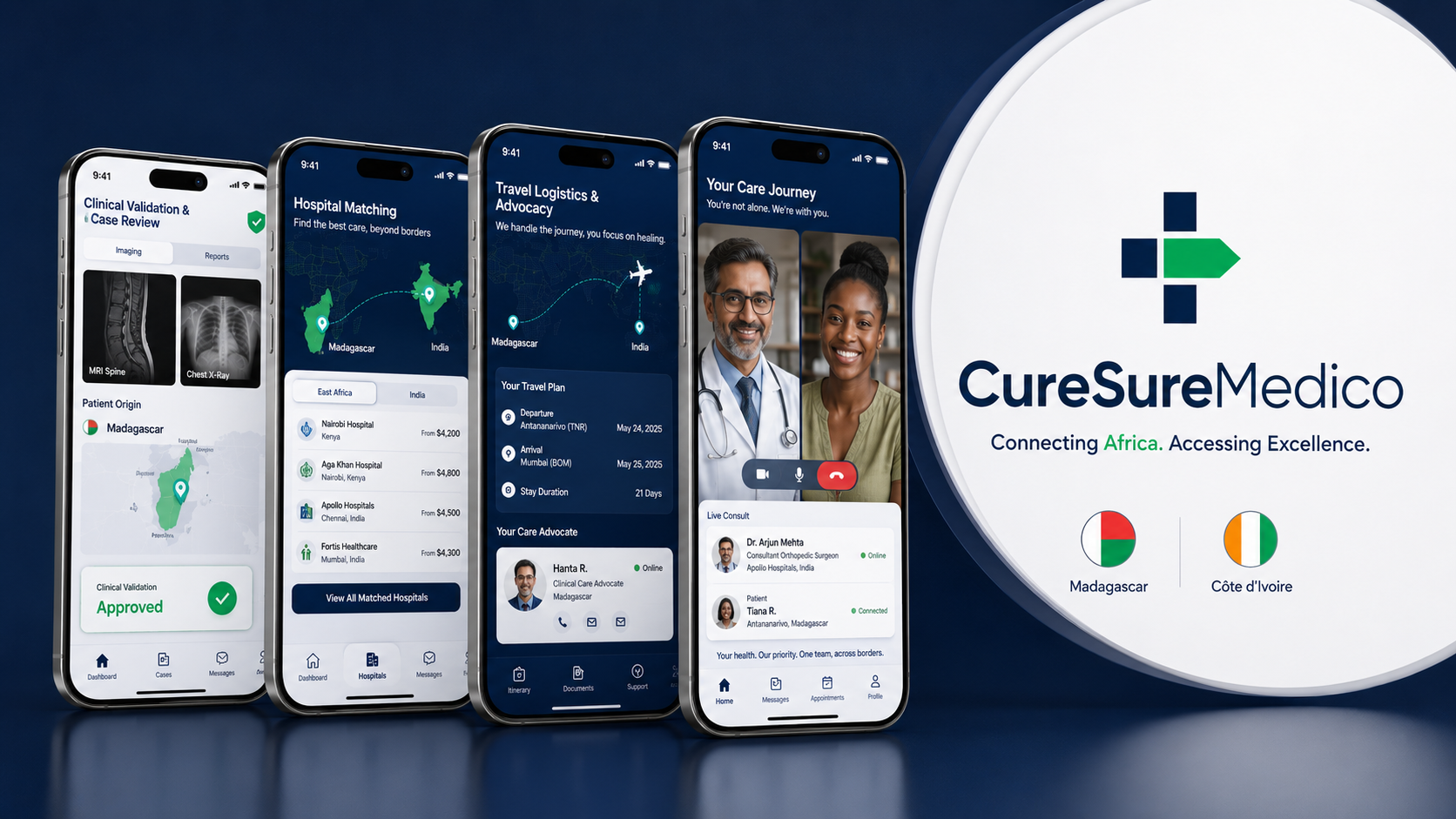
Patients need more than medical care. They often require assistance with medical records, travel logistics, accommodation, interpreter services, and appointment scheduling. One coordination team should manage the entire patient journey, reducing stress for patients and improving operational efficiency.
Continuity of Care
Recovery does not end at hospital discharge. Healthcare providers should continue monitoring patients after they return home. Regular follow-up, communication between physicians, and local medical support help prevent complications and improve long-term outcomes.
Return-to-Work Planning
Returning to work should follow medical recommendations. Healthcare teams, employers, and insurance partners should work together to create a safe return-to-work plan that protects employee health while reducing unnecessary absence.
What Are the Benefits for Employers and Insurers?
Strong clinical governance creates value for every stakeholder: faster access to treatment, better patient care, lower healthcare costs, improved communication, stronger data protection, better continuity of care, and safer return-to-work planning.
Employees also benefit from a smoother medical journey and greater confidence throughout treatment.
How Does CureSureMedico Support Clinical Governance?
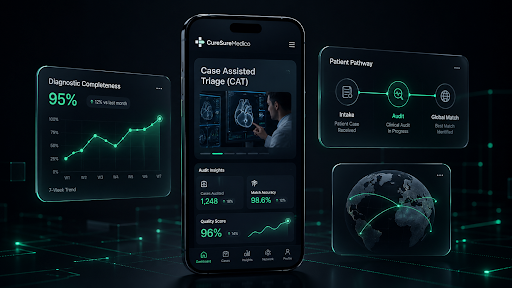
CureSureMedico manages every stage of international patient care. Our multidisciplinary team supports independent medical review, hospital selection, travel logistics, direct coordination with healthcare providers, continuity of care, and return-to-work planning — an integrated approach that improves patient outcomes while helping employers and insurers manage international healthcare more effectively.
Build Clinical Governance Into Your Healthcare Plan
Strong clinical governance turns international medical travel from a reactive expense into a managed, predictable part of your healthcare strategy.
Contact a CureSureMedico advisor to discuss independent medical review, continuity of care, and return-to-work planning for your organization.
Frequently Asked Questions
What is clinical governance?
Clinical governance is a system that helps healthcare organizations deliver safe, effective, and high-quality patient care.
Why is clinical governance important in medical travel?
It improves coordination, reduces risks, and supports better patient outcomes throughout the medical journey.
What is an independent medical review?
An independent medical review evaluates the patient's diagnosis and treatment options before international care begins.
Why is continuity of care important?
Continuity of care supports recovery after treatment. It reduces complications and helps patients receive consistent medical care.
How does CureSureMedico help employers?
CureSureMedico coordinates international patient care from the first medical review through recovery and return to work.