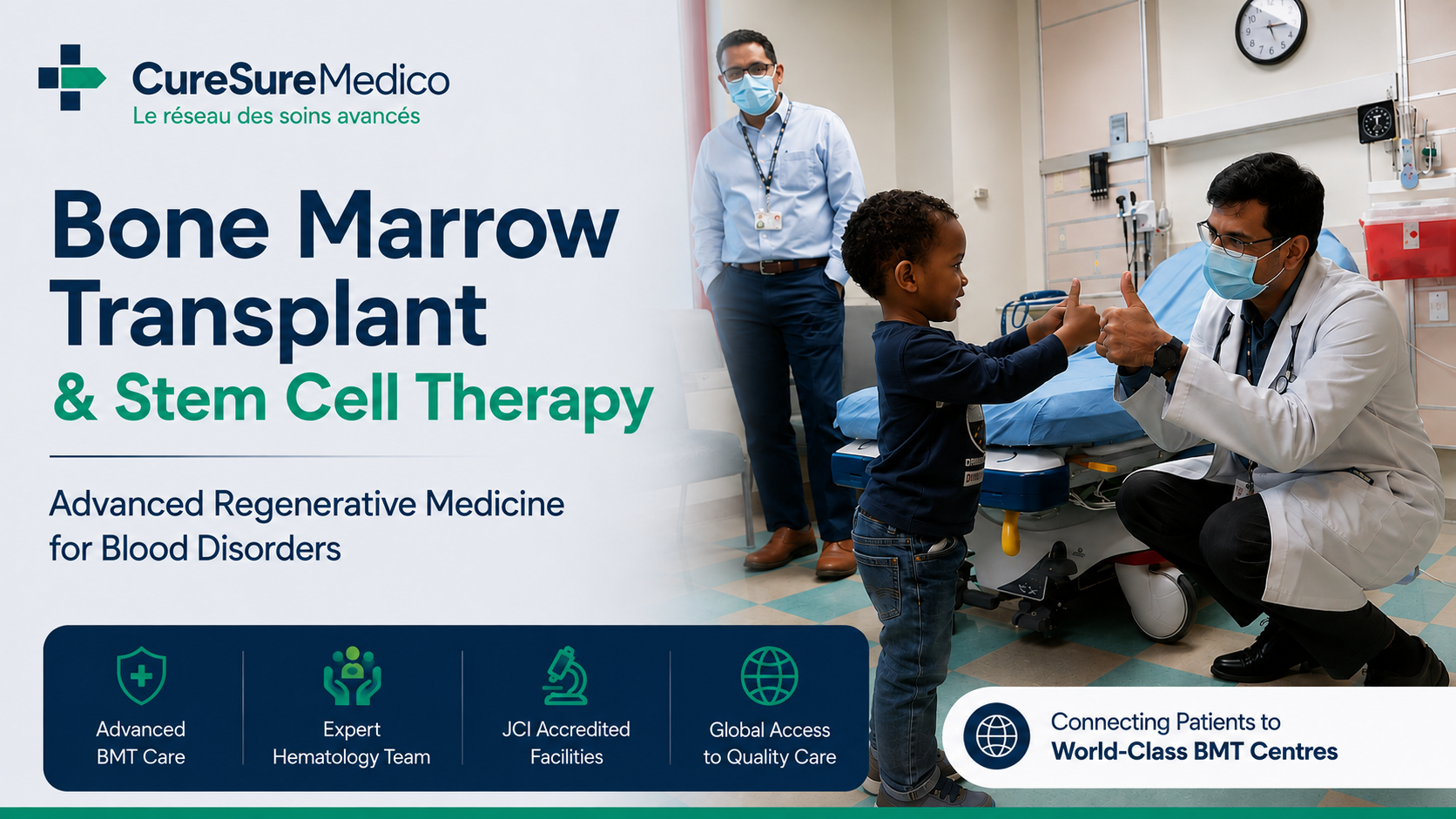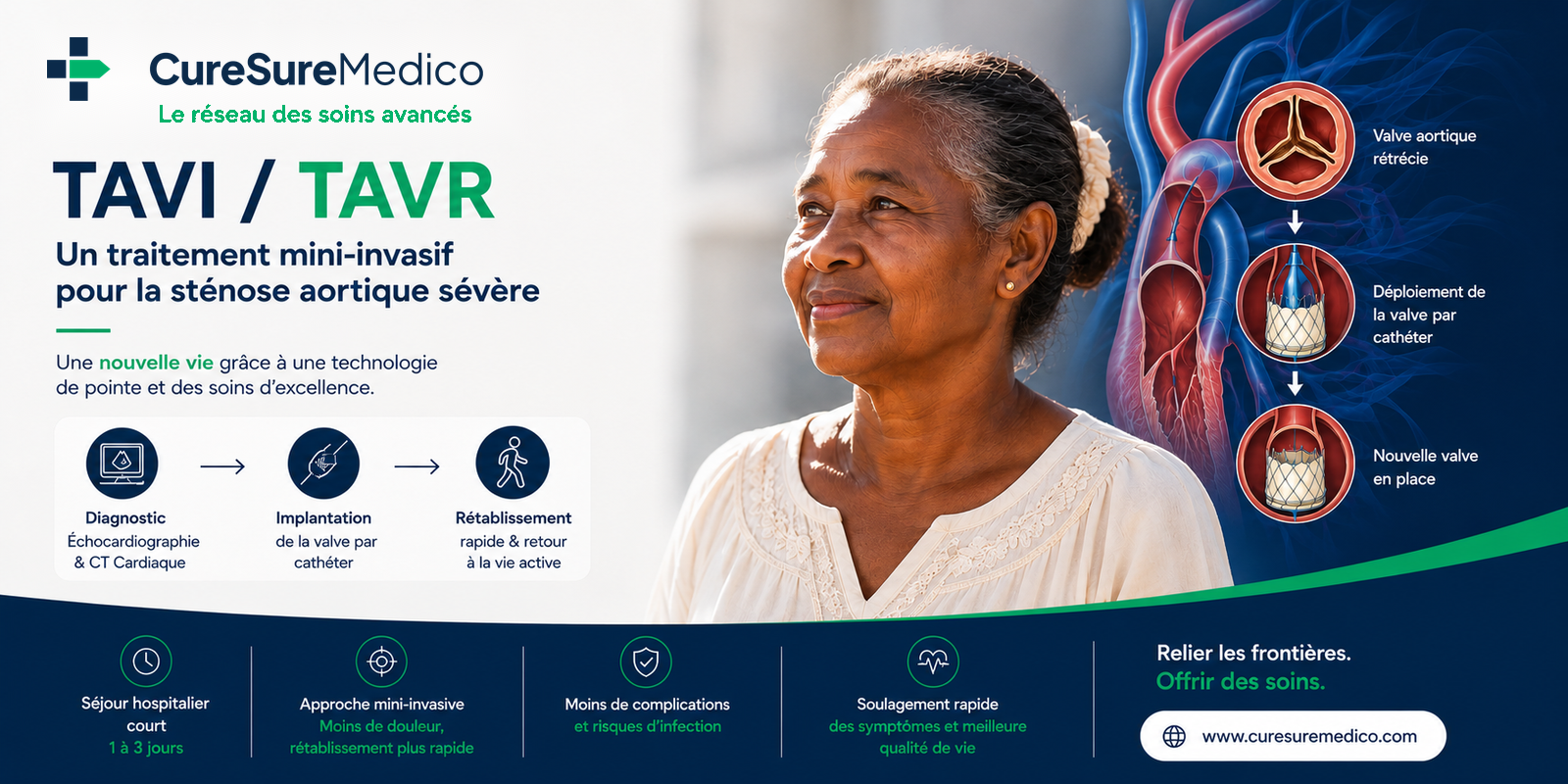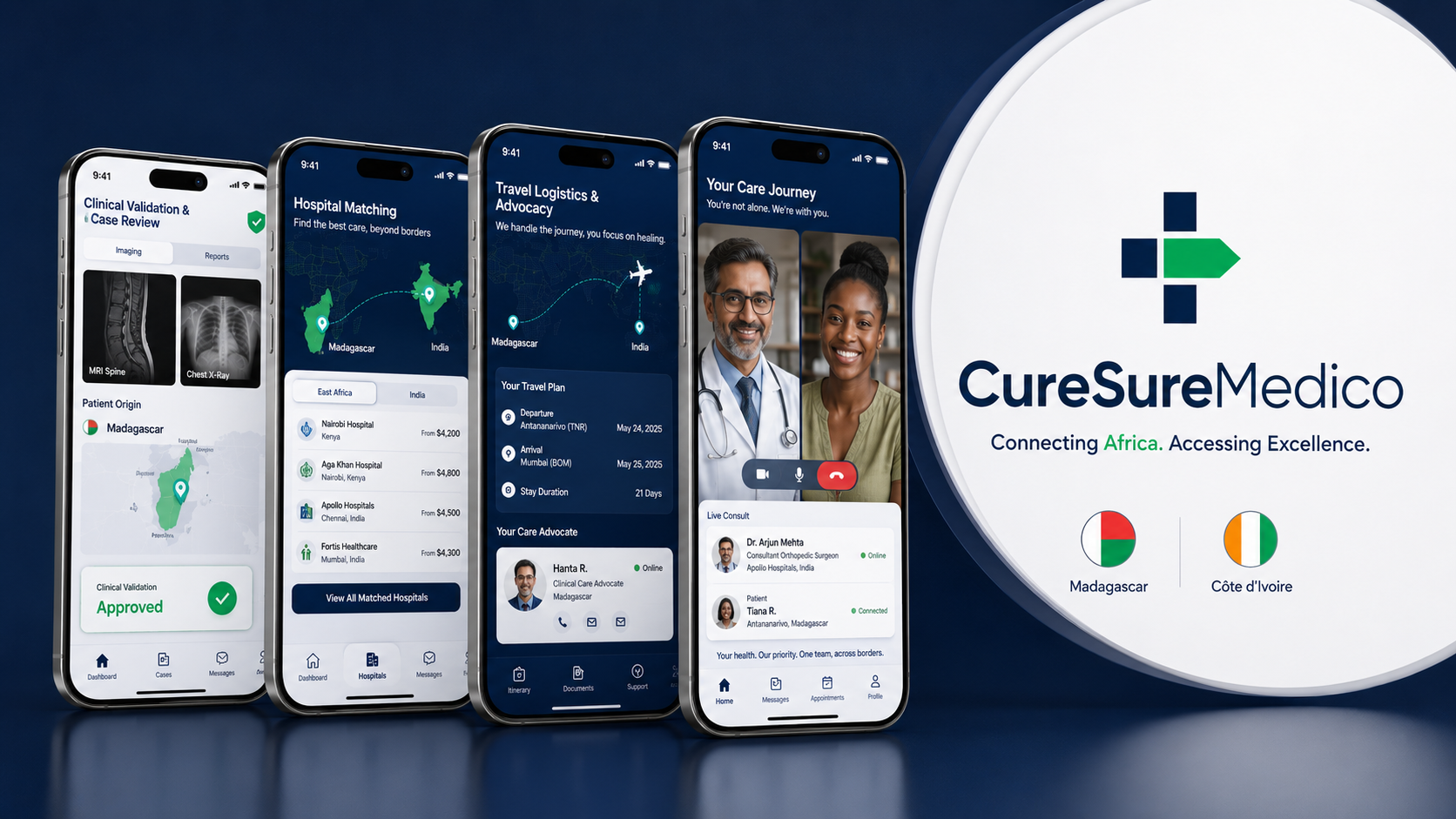
Healthcare is no longer limited by national borders. Patients increasingly travel abroad to access specialized treatment that may not be available in their home country. This includes cancer care, cardiac procedures, orthopedic surgery, organ transplantation, and advanced diagnostic services.
For Third-Party Administrators (TPAs), insurance companies, and corporate health plans, international medical travel creates new opportunities. It also introduces new responsibilities. Every case requires medical expertise, financial control, travel planning, and ongoing patient support.
Without proper coordination, delays, unexpected costs, and communication gaps can affect both the patient experience and treatment outcomes.
What Is International Patient Care?
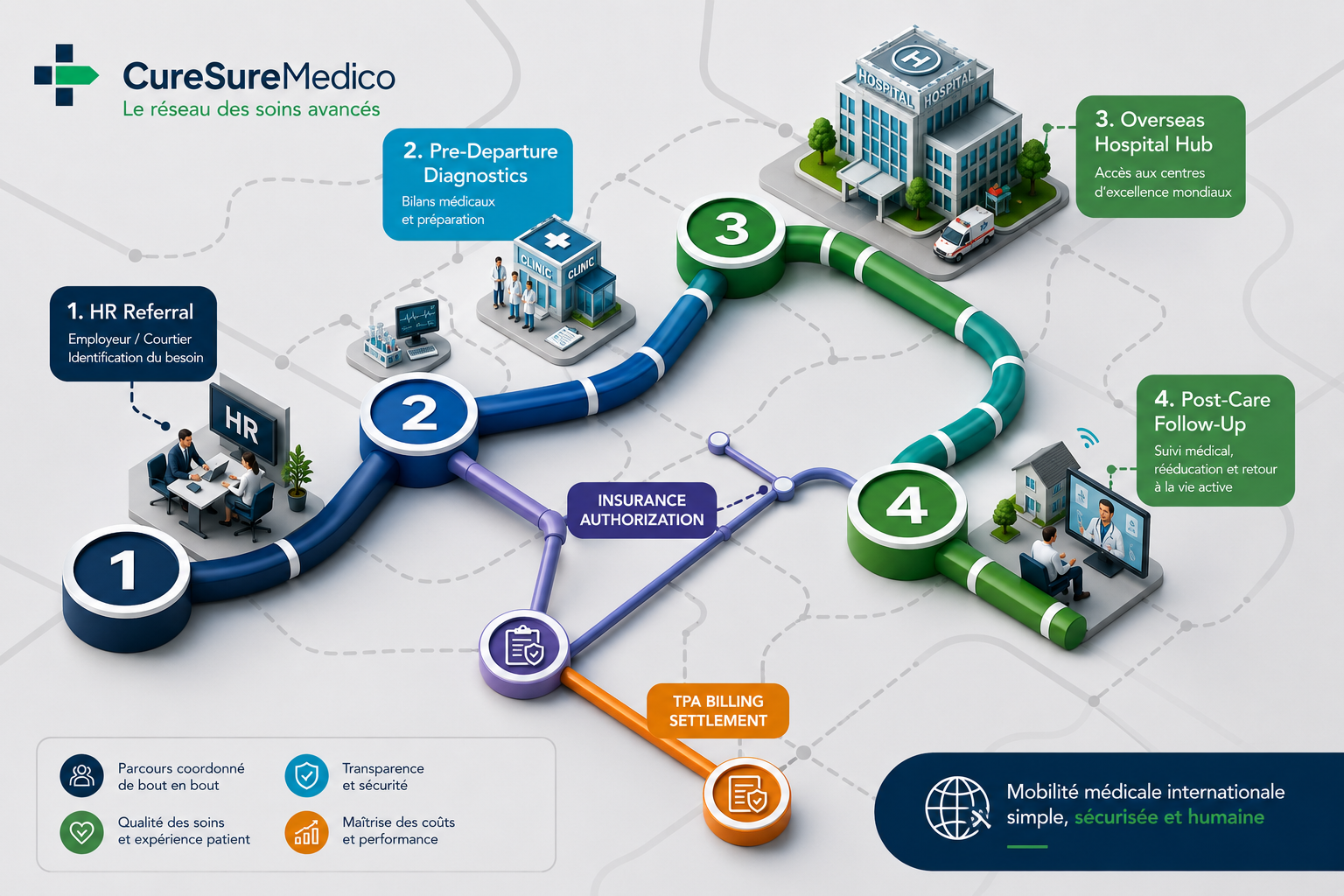
International patient care is the coordinated management of patients receiving medical treatment outside their home country. A complete cross-border healthcare program includes an independent medical review, hospital selection, treatment planning, travel logistics, direct billing, patient advocacy, follow-up care, and continuity of care after treatment.
One experienced coordination team oversees every step. Patients receive a smoother healthcare experience, while TPAs and insurers maintain greater visibility throughout the medical journey.
Demand for this kind of coordinated care keeps growing, as patients seek faster access to specialized treatment and internationally recognized medical centers for oncology, cardiac procedures, orthopedic surgery, organ transplantation, neurosurgery, and advanced diagnostics. For insurers, supporting international travel for medical care is no longer an exceptional service — it is becoming a core part of modern healthcare management.
Challenges TPAs and Insurers Face
Managing international patient care is far more complex than booking treatment abroad. Four challenges come up in almost every case:
Choosing the right hospital: Patients with complex medical conditions need highly specialized care. Selecting an internationally accredited hospital with the right expertise is essential for achieving the best clinical outcomes.
Controlling medical costs: International treatment often involves multiple providers, different pricing structures, and changing treatment plans. Clear quotations, transparent pricing, and pre-approved treatment plans help insurers reduce financial uncertainty before treatment begins.
Coordinating the patient journey: A successful medical journey involves much more than healthcare. Patients may need help with medical records, appointments, visas, flights, accommodation, interpreters, and local transportation. When these services are coordinated efficiently, patients experience less stress and healthcare teams can focus on treatment.
Maintaining continuity of care: Recovery continues long after the patient leaves the hospital. Local physicians, international specialists, and insurers must communicate effectively to ensure safe follow-up care, monitor recovery, and identify potential complications early.
Independent Medical Review
Our team manages every stage of the patient's medical journey through a structured end-to-end case management approach. Each case begins with a detailed, independent medical review. Our clinical team evaluates the patient's records, confirms treatment options, and recommends internationally accredited hospitals that best match the patient's condition.
Access to International Centers of Excellence
We work with carefully selected hospitals recognized for their expertise in oncology, cardiology, orthopedic surgery, neurosurgery, organ transplantation, and advanced diagnostics. This network allows TPAs and insurers to access high-quality healthcare providers with confidence.
Direct Billing Support
Financial transparency is essential for international healthcare. Our team coordinates direct billing whenever possible. Treatment estimates are reviewed before care begins, helping insurers manage costs while reducing financial pressure on patients.
End-to-End Patient Journey Management
We coordinate every stage of the medical journey, including medical documentation, appointment scheduling, visa assistance when required, travel logistics, accommodation, interpreter services, patient advocacy with healthcare providers, and post-treatment follow-up. Patients receive continuous guidance from departure through recovery.
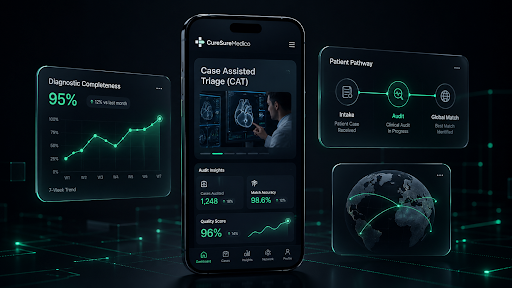
Patient information is stored in a secure, GDPR-compliant platform. Authorized hospitals, local physicians, and insurance partners can securely access the clinical information they need while protecting patient privacy.
Benefits for TPAs and Insurance Companies
An experienced international healthcare partner delivers measurable value: faster case coordination, greater cost transparency, reduced administrative workload, improved communication, better patient satisfaction, stronger continuity of care, and improved long-term outcomes.
This allows insurers to improve service quality while maintaining better control over healthcare spending.
Why Choose CureSureMedico?
International patient care requires more than medical referrals. It requires a trusted partner that can coordinate healthcare providers, logistics, financial processes, and patient support from beginning to end. Our team combines medical expertise, case management, and ethical governance to help TPAs and insurers deliver safe, transparent, and patient-centered cross-border healthcare.
Build Your International Care Network With Us
Whether you are a TPA, insurer, or corporate health plan looking to strengthen your international patient care network, our team is ready to design a coordination model that fits your members and your cost objectives.
Contact a CureSureMedico partnerships advisor to discuss independent medical review, direct billing, and continuity of care for your international patient network.
Frequently Asked Questions
What is international patient care?
International patient care is the coordination of patients receiving medical treatment outside their home country. It includes medical planning, travel logistics, treatment coordination, and follow-up care.
What is a Third-Party Administrator (TPA)?
A Third-Party Administrator manages healthcare claims and medical benefits for insurance companies and employer-sponsored health plans.
Why is independent medical review important?
An independent medical review helps confirm diagnoses, evaluate treatment options, and guide patients toward the most appropriate medical care before any travel decision is made.
How does direct billing work?
Direct billing allows hospitals and insurance providers to settle approved medical costs directly, which reduces financial pressure on patients and simplifies administration for insurers.
Why is continuity of care important?
Continuity of care helps patients recover safely after treatment. It improves communication between healthcare providers and supports better long-term outcomes.