
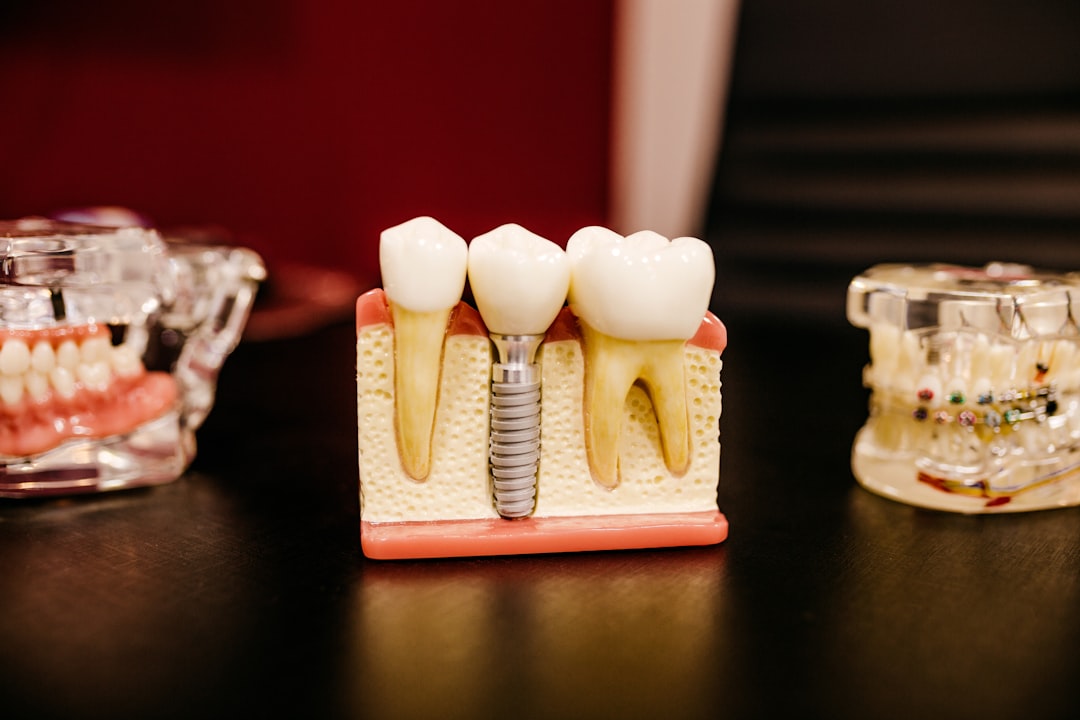
Sinus Lift (Sinus Augmentation)
Dental
Starting from
$600
Up to $4,500 depending on centre
Typical duration
3–7 days
Including pre-operative work-up

Content reviewed for medical accuracy by: Dr. Rodina Ainasoa · Medical Content Writer & Health Communications
Overview
A sinus lift (sinus augmentation) grafts bone into the floor of the maxillary sinus to build up bone height in the upper back jaw, where the sinus sits close to the tooth roots and bone is often too thin for a standard dental implant. It is a preparatory bone-grafting procedure — distinct from zygomatic implants, which anchor into the cheekbone to bypass the need for grafting altogether — used to create enough bone for a conventional implant to be placed safely.
Your case is matched to a centre on the basis of clinical outcome data, not marketing. We coordinate every step — from pre-operative work-up to post-treatment follow-up — with a dedicated care coordinator.
What's included
Sinus Lift (Sinus Augmentation)
Coordinated from
or message us on WhatsApp
No commitment required. Your data is never shared with third parties.
Lateral Window Sinus Lift vs. Osteotome (Crestal) Sinus Lift
When a CBCT scan shows too little bone height beneath the maxillary sinus for a standard implant, your surgeon will choose between two mainstream sinus-augmentation techniques depending on how much bone needs to be added and your sinus anatomy. Here is how the two approaches compare.
| Parameter | Lateral Window Sinus Lift | Osteotome (Crestal) Sinus Lift |
|---|---|---|
| Surgical access | A small window is opened in the side (lateral) wall of the sinus to directly lift the sinus membrane and pack in graft material — a more invasive approach with a larger surgical field. | Worked through the same site the implant will occupy, using hand instruments (osteotomes) or osseodensification drills to gently push the sinus floor upward — a minimally invasive approach. |
| Typical bone gain achievable | Can elevate the sinus floor by roughly 10–12mm, making it suitable when a larger amount of new bone height is needed. | Generally limited to smaller gains of roughly 2.5–5.7mm, so it is best suited to cases needing only a modest increase in bone height. |
| Best suited for | Patients with more significant bone loss under the sinus who need a substantial amount of new bone before an implant can be placed. | Patients with borderline bone height who need only a small lift, often allowing the implant to be placed in the same procedure. |
| Reported outcomes | Published comparative studies report implant success and complication rates broadly comparable to the crestal approach, with the ability to achieve greater bone gain in a single procedure. | Systematic reviews report total implant survival of around 98.9% across sinus augmentation techniques, with the main technique-specific risk being sinus membrane perforation due to more limited visibility during the procedure. |
| Recovery experience | Somewhat more post-operative swelling and discomfort is typical given the larger surgical field. | Generally associated with less trauma, less post-operative pain, and a more comfortable early recovery, per prospective comparative studies. |
The Procedure: Step by Step
The steps below outline a typical sinus lift journey. Your oral and maxillofacial surgeon or periodontist will confirm the exact technique and timeline based on your CBCT imaging and how much bone height you need.
3D imaging and treatment planning
A CBCT scan of the upper jaw and sinus is taken to measure the existing bone height beneath the sinus floor and to plan whether a lateral window or osteotome/crestal approach — and whether simultaneous or staged implant placement — is appropriate.
Sinus lift surgery
Under local anaesthesia (sometimes with sedation), the surgeon accesses the sinus floor via the chosen technique, carefully elevates the sinus membrane, and packs the created space with bone graft material (synthetic, allograft, or a combination).
Healing and graft maturation
The grafted bone needs time to integrate and mature into solid bone that can support an implant — typically several months, longer for larger lateral-window grafts than for smaller crestal lifts.
Implant placement
Once your surgeon confirms the graft has matured (or immediately, if enough native bone allowed a simultaneous placement), the dental implant is placed into the newly built-up bone.
Recovery Timeline
Mild to moderate swelling, bruising, and nasal congestion or mild bleeding are common in the first week; patients are usually advised to avoid blowing their nose, sneezing forcefully, or flying to protect the healing sinus membrane.
Swelling and discomfort generally resolve and most patients return to normal daily activities, while continuing sinus precautions as advised by their surgeon.
The graft matures and integrates with the existing bone during this period; your surgeon monitors progress with follow-up imaging before confirming the site is ready for implant placement.
Once sufficient bone density is confirmed, the implant is placed and follows its own standard osseointegration healing timeline before the final crown is fitted.
Source: peer-reviewed systematic reviews and prospective clinical studies via PubMed/NCBI (PMC); StatPearls (NCBI Bookshelf); American Academy of Periodontology patient-education materials. Individual recovery varies and is guided by your treating surgeon.
Known Risks & Limitations
- The most common technique-specific complication is perforation of the thin sinus membrane during elevation, which is more likely with the crestal/osteotome approach due to limited visibility, though minor perforations can often be managed at the time of surgery.
- Post-operative sinus infection (sinusitis) is a recognised, if uncommon, risk following sinus lift surgery and is monitored for during follow-up.
- Graft failure or incomplete integration can occur and may require the grafting step to be repeated before an implant can be safely placed.
- As with any procedure involving local anaesthesia or sedation, there are anaesthesia-related risks that your surgical team will review with you individually.
- A sinus lift is a preparatory bone-grafting procedure, not a fast-track option — patients seeking a shorter overall timeline for severe bone loss may instead be candidates for zygomatic implants, which bypass grafting altogether; your surgeon will advise which pathway suits your bone anatomy.
Source: peer-reviewed oral and maxillofacial surgery literature via PubMed/NCBI (PMC); StatPearls (NCBI Bookshelf). No procedure is without risk; your treating surgeon will review your individual case.
The CureSureMedico Care Pathway
Remote case review
Share your dental CBCT scan (or recent panoramic X-ray if that is all you have), history of upper-jaw tooth loss, and relevant medical history with our coordination team, who forward your case for an initial assessment of bone height and technique suitability.
Surgeon matching
We match you with an accredited oral and maxillofacial surgeon or periodontist experienced in both lateral window and osteotome/crestal sinus lift techniques, and share their case history for your review.
Cost estimate and travel planning
We issue a consolidated cost estimate covering imaging, the sinus lift procedure, and graft material, and help plan your trip — a single visit if simultaneous implant placement is possible, or two visits spaced months apart for a staged approach.
Sinus lift surgery
You attend your sinus lift procedure, with implant placement performed at the same time where clinically appropriate, or scheduled as a second procedure once the graft has matured.
Follow-up and implant placement
Once your surgeon confirms the graft has matured, you travel back (if needed) for implant placement, with records shared with your home-country dentist for ongoing care.
Global cost comparison — Sinus Lift (Sinus Augmentation)
Average coordinated costs across our partner centres. Final pricing depends on clinical complexity and chosen hospital.
| Country | Avg. cost | vs. cheapest |
|---|---|---|
🇹🇷 Turkey Istanbul | $900 | +38%chevron_right |
🇲🇽 Mexico Mexico City | $1,100 | +69%chevron_right |
🇮🇳 India New Delhi · Chennai · Bengaluru · Hyderabad · Mumbai · Kochi | $650 | —chevron_right |
Costs are indicative estimates and vary by procedure specifics, hospital, and clinical complexity. Request a personalised estimate for your specific case.
Frequently asked questions
A sinus lift adds bone to the floor of the sinus so that, after several months of healing, a standard implant can be placed in the usual position in the upper jaw. It is the right option when there is at least some existing bone and a longer, staged timeline is acceptable. Zygomatic implants take a different approach entirely: they anchor long implants into the dense cheekbone (zygoma), bypassing the sinus and grafting step altogether. Zygomatic implants are generally reserved for patients with severe bone loss where grafting is not realistic or has already failed, since they can often deliver a fixed set of teeth within days rather than months.
No fees. No commitment.
Our guidance is completely free
We are compensated by our partner hospitals — never by patients. You get independent clinical matching, cost transparency, and end-to-end coordination at no cost to you.